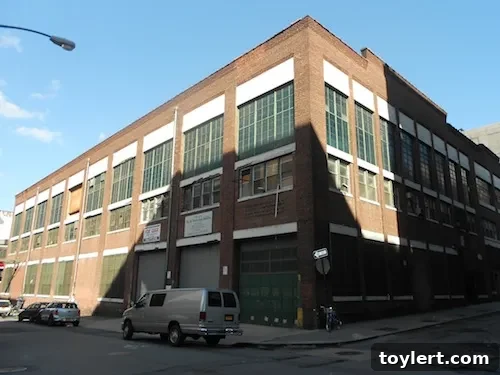
Dumbo’s Dynamic Transformation: Unveiling the 201 Water Street Redevelopment
The vibrant and ever-evolving landscape of Dumbo, Brooklyn, is once again at the forefront of New York City’s real estate narrative, with new plans emerging for a significant commercial and residential conversion project. At the heart of this latest chapter is 201 Water Street, famously known as the Jay Street Arts Building, a historic warehouse poised for an ambitious transformation. This redevelopment is set to introduce a substantial number of new residential units to a neighborhood already celebrated for its rapid growth and unique blend of historic charm and modern luxury. Situated just a stone’s throw from numerous other prominent developments, 201 Water Street represents another pivotal step in Dumbo’s journey from an industrial powerhouse to one of Brooklyn’s most coveted residential enclaves.
The vision for 201 Water Street involves converting an existing manufacturing building into a dynamic mixed-use complex. Spearheaded by renowned architect Karl Fischer, the proposal outlines an enlargement that would see the current three-story structure expand to an impressive six stories, accommodating a total of 126 new residential units. This project not only promises to add much-needed housing inventory but also to infuse fresh vitality into the immediate vicinity, further enhancing Dumbo’s appeal as a premier destination for living, working, and leisure. As with many large-scale developments in New York City’s historic districts, this ambitious undertaking is navigating a complex regulatory path, engaging with crucial city agencies like the Landmarks Preservation Commission (LPC) and the Department of Buildings (DOB).
Dumbo: A Beacon of Urban Renewal and Luxury Living
To truly appreciate the significance of a project like 201 Water Street, one must understand the remarkable evolution of Dumbo itself. An acronym for “Down Under the Manhattan Bridge Overpass,” Dumbo has undergone a dramatic metamorphosis over the past few decades. Once a bustling industrial and manufacturing district characterized by its cobblestone streets and massive brick warehouses, Dumbo has seamlessly transitioned into a global symbol of urban renewal. Today, it stands as a testament to successful adaptive reuse, where historic architecture is thoughtfully preserved and reimagined for contemporary living.
The neighborhood’s appeal is multifaceted. Its prime waterfront location offers unparalleled views of the Manhattan skyline, the Brooklyn Bridge, and the Manhattan Bridge, creating an iconic backdrop for residents and visitors alike. Beyond its visual splendor, Dumbo boasts a thriving arts scene, with numerous galleries, performance spaces, and creative studios. Technology companies have also flocked to the area, establishing a vibrant tech hub that draws innovative talent. High-end boutiques, acclaimed restaurants, and picturesque parks like Brooklyn Bridge Park further solidify Dumbo’s reputation as a dynamic and highly desirable place to live. The blend of historic industrial aesthetics with modern amenities and a sophisticated cultural scene makes Dumbo a unique proposition in the competitive New York City real estate market, driving consistent demand for its luxury loft conversions and newly constructed residences.
The Architectural Vision: Karl Fischer’s Approach to 201 Water Street
The selection of Karl Fischer as the architect on record for the 201 Water Street conversion speaks volumes about the project’s likely aesthetic and quality. Karl Fischer Architects is renowned for its extensive portfolio of residential and mixed-use developments across New York City, particularly projects that involve the transformation of industrial structures. Fischer’s designs often skillfully blend contemporary elements with the historic character of a building, preserving its industrial legacy while introducing modern comforts and luxurious finishes. His work is characterized by an ability to maximize light and space, often incorporating large windows and open layouts that are highly sought after in urban living environments.
For 201 Water Street, one can anticipate an architectural approach that respects the Jay Street Arts Building’s original robust masonry and structural integrity. The proposed enlargement from three to six stories will require a sensitive integration of new construction with the existing edifice, ensuring a cohesive and visually appealing outcome. Fischer’s expertise suggests a design that might feature industrial-chic interiors, perhaps retaining original structural elements like exposed brick or concrete, complemented by high-end kitchens, luxurious bathrooms, and state-of-the-art building systems. The addition of a canopy and updated storefront infill at the ground level indicates a commitment to enhancing the streetscape and creating a welcoming commercial presence, likely housing retail establishments or community-oriented spaces that serve the growing Dumbo population.
Navigating the Regulatory Landscape: LPC and DOB Reviews
Any significant development within Dumbo, particularly one involving an existing structure in a historic district, is subject to rigorous oversight from multiple city agencies. The journey for 201 Water Street involves crucial interactions with both the Landmarks Preservation Commission (LPC) and the Department of Buildings (DOB).
The Role of the Landmarks Preservation Commission (LPC)
The LPC plays a vital role in safeguarding New York City’s architectural and cultural heritage. Given Dumbo’s designation as a historic district, any exterior alterations, new construction, or demolition within its boundaries must receive LPC approval. The architects for 201 Water Street had a scheduled date with the LPC on October 23rd to present their “application to alter masonry openings, replace windows, install storefront infill, a canopy and construct rooftop additions.” These specific items highlight the sensitivity required when modifying historic buildings. The LPC reviews proposals to ensure that changes are appropriate for the building’s architectural style, its period of construction, and its surrounding historic context. Key considerations include the materials used, the design of new windows to match or complement historic patterns, the impact of rooftop additions on the skyline, and the overall aesthetic harmony with the neighborhood.
Gaining LPC approval is often a collaborative and iterative process, involving detailed presentations, public hearings, and potential revisions to the design based on commissioners’ feedback. The goal is to balance the need for modern development with the imperative of preserving the district’s unique character, a challenge that 201 Water Street is actively addressing.
The Department of Buildings (DOB) Permitting Process
Simultaneously, the project is moving through the Department of Buildings (DOB) permitting process. Building owners filed a permit application for “a conversion of an existing manufacturing building and enlargement.” The DOB primarily focuses on ensuring that building plans comply with zoning regulations, safety codes, structural integrity requirements, and other technical aspects of construction. It ensures that buildings are safe for occupancy and adhere to all relevant city statutes.
The original report indicated that the DOB had disapproved the plans last month. It’s important to note that an initial disapproval from the DOB is a common occurrence in large-scale projects and not necessarily a sign of a project being stalled indefinitely. Disapprovals often relate to specific technical deficiencies, incomplete documentation, or non-compliance with particular code sections that require revisions and resubmission. Architects and developers typically work closely with the DOB to address these issues, making necessary adjustments to the plans until they meet all regulatory standards. This iterative process is a standard part of development in New York City, ensuring thoroughness and compliance before construction can commence.
The Impact of 126 New Units on Dumbo’s Real Estate Market
The proposal for 126 new residential units at 201 Water Street represents a significant addition to Dumbo’s housing inventory. While Dumbo has seen a flurry of development in recent years, demand for high-quality residential spaces, especially those with a unique blend of historic charm and modern amenities, remains robust. The introduction of these units will contribute to the ongoing vibrancy of the neighborhood, providing more options for individuals and families eager to experience Dumbo’s distinctive lifestyle.
Economically, new developments like 201 Water Street bring numerous benefits. They create jobs during the construction phase, from skilled tradespeople to project managers. Once completed, they increase the local tax base, contributing to city services, and attract new residents who support local businesses, from cafes and restaurants to boutiques and service providers. This ripple effect strengthens Dumbo’s commercial ecosystem and further solidifies its position as a self-sufficient, desirable community within Brooklyn.
However, increased development also raises important discussions about density, infrastructure, and the preservation of neighborhood character. Dumbo has largely managed to integrate new construction harmoniously, thanks to careful planning and a strong emphasis on adaptive reuse that respects the area’s industrial past. The goal for projects like 201 Water Street is to contribute positively to the neighborhood’s growth without compromising the qualities that make Dumbo so special.
Adaptive Reuse: A Sustainable Future for Historic Buildings
The conversion of the Jay Street Arts Building at 201 Water Street is a prime example of adaptive reuse, a sustainable urban development strategy that repurposes existing structures for new functions. This approach offers numerous advantages over new construction. It often preserves the embodied energy within existing buildings, reduces waste associated with demolition, and maintains a tangible link to a city’s history and architectural heritage. In Dumbo, adaptive reuse has been particularly successful, transforming industrial warehouses into stunning lofts, creative offices, and vibrant retail spaces that retain the area’s unique aesthetic.
For residents, these conversions often translate into unique living spaces with character that new builds simply cannot replicate—think soaring ceilings, massive windows, and original architectural details that tell a story. This blend of old and new creates highly desirable properties that appeal to a discerning market looking for authenticity and luxury.
Anticipation and the Road Ahead
As the 201 Water Street project moves forward, anticipation within the Dumbo community and among prospective buyers will undoubtedly grow. The immediate next steps involve the LPC’s decision regarding the proposed alterations and the resolution of the DOB’s initial disapproval. These approvals are crucial milestones that will pave the way for construction to begin.
The longing for a rendering, as expressed in the original report, perfectly encapsulates the community’s excitement. Visualizations are key to understanding the full scope and aesthetic impact of such a significant project. Once available, these renderings will offer a glimpse into the future of the Jay Street Arts Building, showcasing how Karl Fischer’s vision will marry Dumbo’s industrial heritage with contemporary luxury. This project is more than just a building conversion; it’s a testament to Dumbo’s enduring appeal and its continuous evolution as a premier destination in Brooklyn’s dynamic real estate market.
Stay tuned for further updates on 201 Water Street as it progresses through the planning and development stages, promising to add another architectural gem to the magnificent Dumbo skyline.