J’Ouvert: Unveiling the Spirit of Caribbean Carnival in Brooklyn
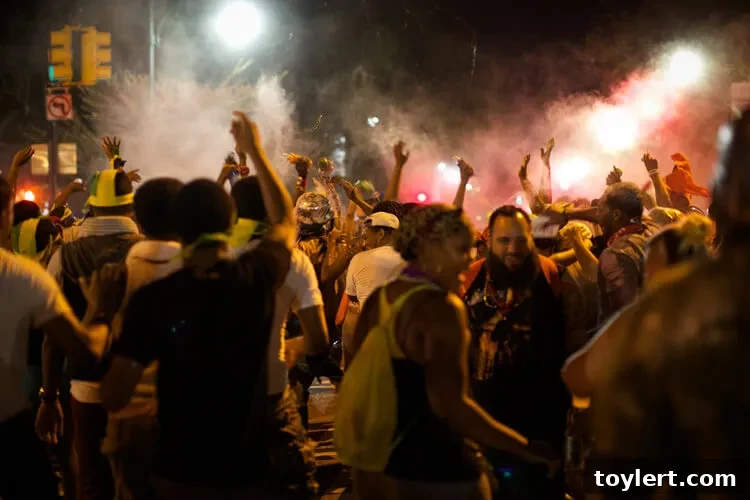
As summer draws to a close, the pre-daybreak streets of Brooklyn awaken with an electrifying energy, heralding the arrival of J’Ouvert. This vibrant festival, a pulsating prelude to the magnificent West Indian Day Parade, transforms the urban landscape into a canvas of color, sound, and unbridled cultural expression. More than just a street party, J’Ouvert is a profound celebration of freedom, heritage, and community, deeply rooted in the rich traditions of the Caribbean. It’s a time when history comes alive, danced through the streets by thousands who embrace the dawn with joyous abandon. The Brooklyn Public Library’s Central Branch often plays a vital role in educating the public about this extraordinary event, offering insights into its fascinating origins, the intricate artistry that defines it, and the captivating music that forms its very heartbeat. Understanding J’Ouvert is to understand a cornerstone of Caribbean identity, vibrantly showcased right here in the heart of Brooklyn.
The Enduring Legacy: Tracing J’Ouvert’s Historic Origins
To truly grasp the essence of J’Ouvert, one must delve into its intricate historical tapestry, woven from threads of both oppression and triumphant liberation. The festival’s genesis traces back to 18th-century Trinidad, profoundly influenced by the French settlers who introduced their elaborate masquerade balls, known as ‘Fêtes de la Paille‘ (straw parties) or later ‘Carnival,’ to the Caribbean in 1783. These lavish European celebrations were a spectacle of wealth and privilege, strictly reserved for the white planter class.
However, the enslaved African populations, though barred from participating in their masters’ opulent festivities, harbored an unyielding spirit of resistance and cultural preservation. In a powerful act of defiance and creative adaptation, they began to hold their own, smaller ‘backyard’ carnivals. These clandestine gatherings became vital spaces for cultural expression, where African traditions, rituals, and folklore were kept alive. They mimicked, often satirically, their masters’ balls while infusing them with their own powerful ancestral customs, music, and dance. This period laid the foundational groundwork for what J’Ouvert would ultimately become – a celebration born from adversity.
The year 1838 marked a pivotal turning point with the emancipation of slaves in the British Caribbean. With their newfound freedom, the formerly enslaved people could finally participate openly in Carnival. This was not merely an entry into an existing festival; it was a profound transformation. They began to blend their rich spiritual practices, traditional drumming, call-and-response chants, and unique forms of masquerade into the wider Carnival celebrations. The night before Ash Wednesday, traditionally the start of European Carnival, became ‘J’Ouvert‘ – a creolized French term meaning “dawn” or “daybreak” (from jour ouvert). This pre-dawn emergence symbolized the breaking of a new day, not just literally, but metaphorically – a dawn of freedom, self-expression, and the reclaiming of identity after centuries of bondage. This historical journey underscores J’Ouvert’s profound significance as a symbol of resilience, cultural fusion, and enduring freedom.
Beyond the Celebration: The Deep Cultural Significance of J’Ouvert
J’Ouvert is far more than just a party; it is a profound cultural statement, a vibrant tapestry woven with themes of liberation, identity, and resistance. It represents the shedding of inhibitions and the embrace of a shared heritage. The act of covering oneself in mud, oil, paint, or chocolate is highly symbolic. It signifies a return to elemental forms, a cleansing, and a leveling of social distinctions. In the pre-dawn darkness, everyone is transformed, united in a collective journey that transcends class, status, and background. This anonymity allows for a freedom of expression that is both exhilarating and deeply spiritual.
The festival serves as a crucial mechanism for preserving Caribbean history and folklore. Characters from ancient myths, colonial figures, and satirical representations of current events come to life through elaborate costumes and performances. It’s a living museum, where traditions are not merely observed but actively performed and passed down through generations. For the Caribbean diaspora in Brooklyn, J’Ouvert is a powerful link to their ancestral lands, a tangible connection to the struggles and triumphs of their forebears. It fosters a strong sense of community and belonging, reaffirming cultural identity in a new land.
The Artistry Unveiled: Music, Masquerade, and Movement
The captivating allure of J’Ouvert is intrinsically linked to its extraordinary artistry, manifesting through its distinctive music, elaborate masquerade, and infectious energy.
The Rhythmic Heartbeat: Music of J’Ouvert
The soundtrack of J’Ouvert is a powerful, pulsating force that drives the entire celebration. Central to this sonic landscape is the iconic steelpan, an instrument born from ingenuity and resistance in Trinidad. Its melodious yet percussive tones create an irresistible rhythm that compels movement. Accompanying the steelpan are the vibrant sounds of calypso and soca music – genres rich in storytelling, social commentary, and pure exhilaration. Calypso, with its lyrical narratives, often provides satirical takes on politics and daily life, while soca, a fusion of soul and calypso, fuels the high-energy dancing with its infectious beats and up-tempo rhythms. Together, these musical forms create an immersive experience, a continuous wave of sound that sweeps participants through the streets, embodying the joy and spirit of the Caribbean.
Masquerade and Transformation: The Visual Spectacle
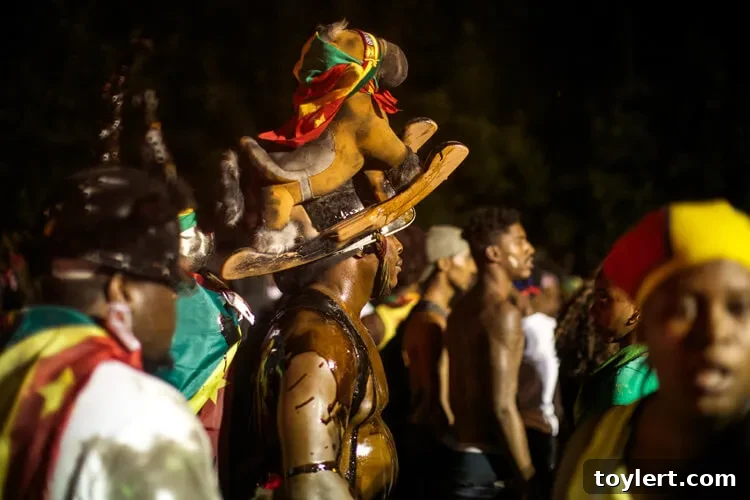
J’Ouvert masquerade is unlike any other. It’s raw, organic, and deeply symbolic. Participants, often referred to as “Jab Molassie” (molasses devil) or “Jab Jab” (devil), embrace a primal aesthetic. Their bodies are meticulously covered in various substances: dark crude oil, vibrant colored paint, thick mud, or sweet chocolate. This covering is not just for show; it serves as a transformative mask, allowing individuals to shed their everyday identities and embody characters of folklore, mischief, or protest. Traditional characters often include horned devils, imps, blue devils, and figures adorned with chains – symbolic reminders of historical bondage and the subsequent breaking of those chains.
The costumes are often minimalist yet powerful, focusing on the body as a canvas. Recycled materials, natural elements, and found objects are frequently incorporated, emphasizing creativity and resourcefulness. This visual artistry is a dynamic expression of freedom, a playful subversion of societal norms, and a powerful homage to ancestral traditions. Each participant, in their chosen disguise, contributes to a moving tableau of cultural storytelling.
J’Ouvert in Brooklyn: A Beacon of Caribbean Culture
For decades, Brooklyn has been home to one of the largest and most vibrant Caribbean diaspora communities outside of the islands themselves. J’Ouvert here is not merely an imported tradition; it is a living, breathing cultural institution that has been embraced, adapted, and sustained by generations. The event serves as a powerful testament to the resilience and unity of the Caribbean community in New York City.
The pre-dawn procession through Brooklyn’s streets acts as the ultimate curtain-raiser for the much-anticipated West Indian Day Parade. It sets a celebratory tone, building anticipation and bringing together thousands of revelers in an immersive experience before the main parade even begins. This early morning gathering is a vital part of the broader Carnival celebrations, cementing its place as an indispensable cultural touchstone for Caribbean Americans.
Local institutions, such as the Brooklyn Public Library’s Central Branch, frequently engage with the community to highlight the educational aspects of J’Ouvert. Through exhibitions, workshops, and discussions, they provide platforms for learning about the festival’s origins, its artistic expressions, and its profound cultural significance. These initiatives ensure that the younger generations understand the rich history behind the celebration, fostering pride and encouraging continued participation. By supporting these efforts, the library helps to preserve and promote the intricate narratives and vibrant traditions that define J’Ouvert, ensuring its legacy continues to thrive in Brooklyn.
Embracing the Dawn: Experiencing the J’Ouvert Phenomenon
To experience J’Ouvert is to immerse oneself in an unparalleled sensory feast. As the first rays of dawn begin to pierce the darkness, the streets fill with the rhythmic thrum of steelpan drums and the infectious pulse of soca music. The air becomes thick with the scent of paint, oil, and the collective energy of thousands of revelers. Participants, transformed into fantastical beings by their chosen coverings, move as one, dancing with an uninhibited joy that is truly contagious.
The atmosphere is one of profound camaraderie and exhilaration. Strangers become friends as they share in the shared ritual, covering each other with pigments and mud, laughing and dancing in unison. It’s a spontaneous, organic celebration where the line between performer and spectator blur, and everyone becomes part of the moving spectacle. While the focus is on revelry, there’s also an underlying sense of respect for the historical and cultural roots of the festival. Safety and community spirit are paramount, with organizers and participants alike working to ensure a positive and respectful experience for all.
J’Ouvert: A Timeless Celebration of Freedom and Identity
J’Ouvert stands as a powerful testament to the human spirit’s ability to transform adversity into celebration, and a timeless reminder of the enduring power of culture. From its defiant origins in colonial Caribbean backyards to its vibrant manifestation on the streets of Brooklyn, J’Ouvert continues to be a profound expression of freedom, creativity, and collective memory. It is a festival that truly embodies the dawn – not just of a new day, but of an unbroken spirit, beautifully showcasing the rich tapestry of Caribbean heritage for the world to witness and embrace. As the drums echo through the streets, carrying stories of resilience and joy, J’Ouvert reminds us all of the importance of celebrating our roots and embracing the dawn of new possibilities.