By Barbara Russo-Lennon, amNY
Unmasking NYC’s Worst Landlords: Public Advocate Jumaane Williams Releases 2024 Watchlist
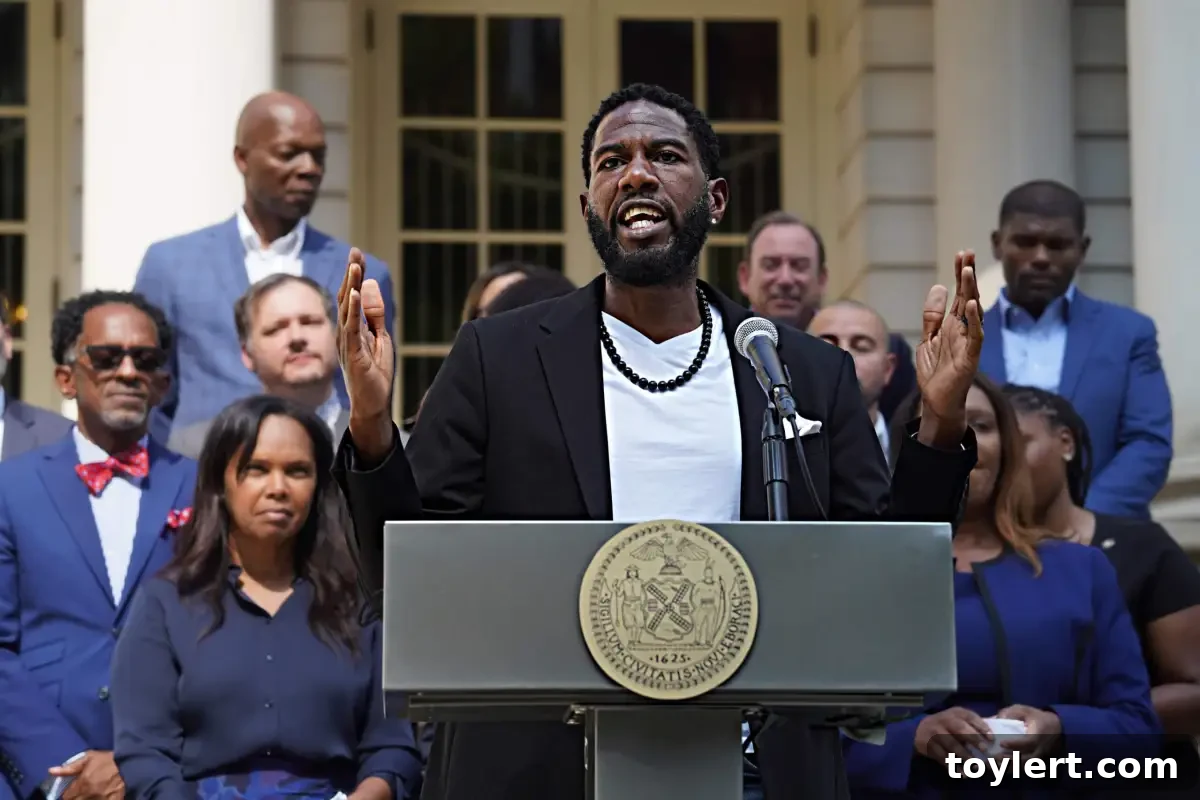
New York City is a metropolis defined by its vibrant energy, diverse communities, and, for many, the constant struggle for safe and affordable housing. While the city endures sweltering summer temperatures, a disturbing reality persists: thousands of apartments across the five boroughs remain in deplorable conditions, systematically neglected by a select group of property owners. On Wednesday, Public Advocate Jumaane Williams brought this critical issue to the forefront, unveiling the highly anticipated 2024 list of the city’s worst landlords. This annual exposé serves as a crucial mechanism for accountability, shedding light on property owners who repeatedly violate their tenants’ fundamental rights and endanger their safety and well-being.
The 2024 Watchlist: A Call for Immediate Action and Accountability
The 2024 Landlord Watchlist, a cornerstone initiative of the Public Advocate’s office, meticulously identifies property owners with a documented history of widespread and repeated housing violations. This year’s list, compiled from an extensive analysis of data spanning November 2023 to October 2024, highlights those who consistently fail to maintain livable and safe conditions for their tenants. Public Advocate Williams underscored that these are not isolated or minor infractions but deeply entrenched patterns of neglect affecting tens of thousands of New Yorkers, frequently residents in the city’s most vulnerable neighborhoods.
The violations, as documented by the city’s Department of Housing Preservation and Development (HPD), cover a shocking range of deficiencies. These include the absence of essential services such as heat and hot water – critical necessities even outside the coldest months – to severe structural and infrastructure issues, and pervasive pest infestations. These conditions transcend mere inconvenience; they represent profound health hazards and safety risks, significantly eroding the quality of life for countless families and individuals throughout the city. The watchlist not only names these landlords but also serves as a rallying cry for improved living standards and diligent enforcement.
Beyond Inconvenience: The Grave Impact of Chronic Neglect
Heat and Hot Water Outages: A Year-Round Crisis
While the initial announcement by Public Advocate Williams coincided with warm weather, highlighting the particular discomfort of inadequate services during high temperatures, the issue of heat and hot water outages remains a persistent, year-round crisis in New York City. During the harsh winter months, a lack of consistent heat can be life-threatening, particularly for vulnerable populations such as the elderly, young children, and individuals with chronic health conditions. Even in warmer seasons, the absence of reliable hot water for bathing, sanitation, and cooking severely compromises basic hygiene and overall well-being. These are not luxury amenities but fundamental rights enshrined within New York’s tenant protection laws, and their systematic deprivation by landlords represents a grave disregard for human dignity and public health.
The Scourge of Rodents and Pest Infestations
Among the most distressing and dangerous violations are persistent rodent and pest infestations. Rats, mice, and cockroaches are not merely unpleasant; they are carriers of numerous diseases, can trigger severe allergies and asthma, and cause significant structural damage to buildings and personal property. Tenants forced to live amidst such infestations often experience chronic stress, fear for their children’s health, and frequently incur personal costs attempting to manage the problem themselves when landlords fail to act. The widespread presence of these pests is a stark indicator of unsanitary conditions, neglected maintenance, and a fundamental failure to provide a healthy living environment.
Crumbling Infrastructure and Pervasive Safety Hazards
The Landlord Watchlist also brings into sharp focus those property owners who allow their buildings to fall into severe disrepair, directly creating dangerous living environments. Infrastructure issues frequently include leaking roofs, crumbling ceilings, non-functioning elevators, faulty electrical wiring, and dangerous structural damage. These problems can lead to pervasive mold growth, respiratory illnesses, heightened fire hazards, and, in extreme cases, even building collapses. Additionally, broken locks, inadequate lighting, and deficient security measures further exacerbate tenant vulnerability, leaving residents feeling unsafe and exposed in their own homes. Addressing these complex and costly issues requires significant financial investment and proactive, continuous maintenance, which many of the identified “worst landlords” conspicuously avoid.
Additional Infractions: Eroding the Quality of Life
Beyond these major categories, the Public Advocate’s list encompasses a spectrum of other serious infractions that collectively diminish the quality of life for tenants. These can range from the presence of peeling lead paint in apartments occupied by children – a well-documented and severe public health hazard – to non-functional smoke detectors, unaddressed water damage leading to mold, and unsanitary common areas like hallways and stairwells. Each violation, while perhaps seemingly minor in isolation, contributes to an overwhelming environment of neglect, leaving tenants feeling exploited, powerless, and profoundly disrespected. The cumulative effect of these infractions transforms a home into a source of constant anxiety and threat.
The Public Advocate’s Role: Championing Tenant Rights in NYC
The Public Advocate’s office, currently led by Jumaane Williams, serves as an independent ombudsman and watchdog for all New Yorkers, vigorously advocating for crucial policy changes and holding both city agencies and private entities accountable. The annual Landlord Watchlist is arguably one of its most potent and visible tools in the broader landscape of housing advocacy. First launched by then-Public Advocate (and now Mayor) Bill de Blasio in 2014, the watchlist has evolved into an indispensable resource for tenants, community organizers, housing rights advocates, and policymakers alike. It leverages publicly available data primarily from HPD and combines it with direct tenant complaints to identify the most egregious offenders in the city’s housing market.
The process of compiling the watchlist is rigorously data-driven and meticulous. It involves analyzing thousands of open violations across properties owned by specific individuals or corporate entities, ensuring that the focus is on systemic issues rather than isolated incidents. The criteria are stringent, zeroing in on landlords who consistently accumulate an exceptionally high number of violations per rental unit, clearly indicating systemic neglect and a pattern of irresponsibility. By publicly publishing this comprehensive list, the Public Advocate aims not only to name and shame negligent property owners but also to empower tenants with vital information and exert significant public pressure on landlords to rectify hazardous and illegal conditions, thereby improving living standards across the city.
Empowering Tenants: Essential Information and Actions
For tenants living in buildings managed by these identified problematic landlords, knowledge and proactive engagement are paramount. While the Public Advocate’s watchlist provides a crucial starting point, continuous vigilance and informed action are essential. New York City boasts a robust framework of tenant protection laws, and understanding these rights is the first and most critical step towards securing a safe and habitable home.
- Document Everything: Maintain meticulous and detailed records of all communication with your landlord or management company. This includes dates, times, summaries of conversations, and copies of written correspondence. Critically, take clear photos and videos of conditions, damages, and violations as visual evidence.
- Report Violations Immediately: Contact NYC’s 311 service without delay to report any issues such as heat or hot water outages, pest infestations, significant leaks, or structural problems. Reporting to 311 creates an official record with HPD, which is vital for any future legal action or enforcement.
- Know Your Rights: Take the time to familiarize yourself with your fundamental tenant rights, particularly those related to the Warranty of Habitability. This legal protection guarantees that your landlord must provide and maintain a safe, healthy, and livable apartment.
- Check the Watchlist Regularly: Regularly consult the official Landlord Watchlist website to ascertain if your landlord or management company is listed. Understanding the full extent of their documented violations can provide leverage and context.
- Seek Professional Legal Aid: If your landlord remains unresponsive to repeated requests for repairs, or worse, retaliates against you for reporting issues, promptly consider contacting a tenant lawyer or a legal aid organization. Many such organizations provide free or low-cost services specifically designed to help tenants understand and assert their legal rights.
- Organize with Neighbors: Collective action often yields more powerful results than individual complaints. Engage with your neighbors about forming a tenant association. A united front can more effectively address common issues, negotiate for essential repairs, and advocate for better living conditions for everyone in the building.
The City’s Response and the Future Outlook for Housing Justice
The release of the Landlord Watchlist is far more than a mere informational exercise; it serves as a powerful call for intensified action from various city agencies responsible for housing enforcement. HPD, in particular, plays an absolutely critical role in enforcing housing codes, issuing official violations, and performing emergency repairs when landlords egregiously fail to do so. However, the existing system often faces significant challenges, including persistent backlogs, chronic resource limitations, and the complex, time-consuming legal battles required to compel recalcitrant property owners to comply with the law. The Public Advocate’s office continually advocates for increased funding for HPD, stricter enforcement mechanisms, and more robust penalties for landlords who consistently flout their legal obligations and endanger their tenants.
There is a growing and urgent push for comprehensive legislative reforms that would further strengthen tenant protections, streamline the violation reporting and resolution process, and ensure that landlords who repeatedly endanger their tenants face serious, tangible consequences, potentially including the forfeiture of their properties in the most extreme and persistent cases of neglect. The overarching goal behind these efforts is to fundamentally shift the power dynamics within the landlord-tenant relationship, ensuring that safe and dignified housing in New York City is treated as a fundamental human right, rather than merely a commodity to be exploited for profit. This ongoing advocacy aims to create a more equitable and just housing landscape for all New Yorkers.
As Public Advocate Williams continues to champion the vital cause of tenant rights, the 2024 Landlord Watchlist stands as a stark and undeniable reminder of the severe challenges many New Yorkers confront daily within their own homes. It underscores the urgent and unwavering need for all property owners to uphold their fundamental responsibilities and for the city to relentlessly pursue justice for its residents, ultimately ensuring that every apartment in New York City provides a truly safe, healthy, and dignified home for its inhabitants.
For more detailed information and to check the full list of identified landlords and their associated violations, please visit the official 2024 Landlord Watchlist website.