The Escalating Reality of Extreme Weather: From News Throwaway to Global Crisis
In recent years, our communities have become unwilling witnesses and direct victims of an undeniable truth: extreme weather is no longer an anomaly but an increasingly frequent and devastating reality. The memory of colossal events like Superstorm Sandy, whose first anniversary we recently observed, still echoes deeply, with scars on our infrastructure and in our collective psyche that remain far from fully healed. Too many residents affected by such catastrophic events continue to grapple with the long-term consequences, often struggling to receive the comprehensive assistance needed to rebuild their lives and livelihoods.
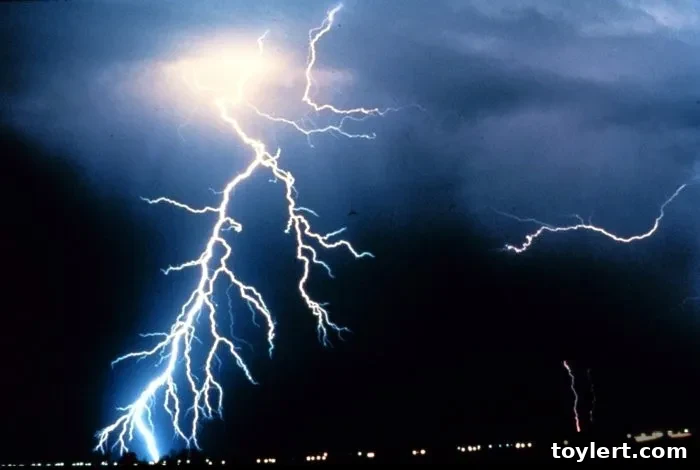
Beyond the lingering effects of named storms, our cities have endured a relentless barrage of diverse natural phenomena. From unexpected tornadoes ripping through urban landscapes to the sheer force of hurricanes making landfall, and even the unsettling tremors of mild earthquakes, the stability we once took for granted has been profoundly shaken. Torrential downpours have transformed bustling streets into raging rivers, turning subway tunnels and underpasses into perilous subterranean waterways, bringing metropolitan areas to a standstill. Furthermore, the suffocating grip of prolonged heatwaves has not only melted asphalt but tragically claimed the lives of the most vulnerable and unprotected among us, underscoring the urgent need for enhanced public safety measures and infrastructure resilience.
The Shifting Perception: Weather as a Defining Force
The role of weather in our daily discourse and media coverage has undergone a radical transformation. What was once relegated to a brief, often humorous segment at the end of the evening news – a mere “news throwaway” delivered with lighthearted cheer – has now ascended to become a lead story, frequently dominating headlines and dictating national conversations. There was a time when the weather report was a charming interlude, featuring simplistic press-on icons depicting a smiling sun or a droplet of rain, often presented by a personality whose primary role was to offer a pleasant prediction: “Will it be hot tomorrow?” or “Remember your umbrella for work!” The underlying message was one of benign predictability, a gentle suggestion for minor adjustments to our daily routines.
Today, that quaint era feels like a distant memory. Weather forecasting has evolved into a serious, high-stakes endeavor, powered by sophisticated technology and the rigorous application of advanced scientific principles. The once-playful graphics have been replaced by intricate Doppler radar screens, displaying real-time storm movements with startling clarity, and satellite visuals so detailed they resemble strategic battlefield briefings. The charming weather personality has given way to highly qualified meteorologists, armed with advanced academic degrees and an intimate understanding of atmospheric dynamics. These experts no longer merely predict; they issue urgent warnings, analyze complex global weather patterns, and translate intricate data into actionable intelligence for public safety. This profound shift underscores our collective recognition that predicting and understanding the movements of nature is no longer a trivial pursuit but a matter of critical importance, affecting lives, economies, and the very fabric of society.
Understanding the Drivers: Climate Change and Increasing Intensity
The undeniable increase in the frequency and intensity of extreme weather events is widely attributed to the overarching phenomenon of climate change. Rising global temperatures contribute to more energetic weather systems, leading to a host of cascading effects. Warmer oceans fuel more powerful hurricanes and tropical storms, while increased atmospheric moisture intensifies rainfall, resulting in more severe flooding. Prolonged droughts followed by intense precipitation exacerbate the risk of wildfires and landslides. The delicate balance of our planet’s climate is being disrupted, and the consequences are manifesting in unpredictable and often devastating ways across every continent.
Understanding these drivers is crucial for developing effective mitigation and adaptation strategies. Scientists are continually refining climate models, providing invaluable insights into future trends and helping communities prepare for what lies ahead. However, the sheer scale of the challenge requires more than just scientific understanding; it demands global cooperation, policy changes, and a fundamental rethinking of our relationship with the environment. The economic and human costs associated with climate-driven extreme weather are staggering, placing immense strain on emergency services, insurance companies, and national budgets alike.
The Impact on Urban Infrastructure and Community Resilience
Urban centers, with their dense populations and complex infrastructure, are particularly vulnerable to extreme weather events. The flooding of major transportation arteries, power outages that plunge entire districts into darkness, and the structural damage to buildings all highlight the need for robust, climate-resilient urban planning. Many cities were built decades or even centuries ago without anticipating the kind of environmental stressors we face today. Upgrading existing infrastructure, from drainage systems to power grids, and investing in green infrastructure solutions like permeable surfaces and urban green spaces, are critical steps toward enhancing urban resilience.
Beyond the physical infrastructure, the resilience of a community is also measured by its ability to recover and adapt. This involves robust emergency response plans, effective communication channels during crises, and strong social networks that allow neighbors to support one another. The aftermath of events like Superstorm Sandy showcased both the vulnerabilities and the incredible strength of communities rallying together, but also exposed gaps in long-term recovery efforts and equitable resource distribution. Building truly resilient communities means fostering a culture of preparedness, ensuring access to resources for all residents, and integrating lessons learned from past disasters into future planning.
Advanced Meteorology: Our Shield Against Nature’s Fury
The evolution of weather forecasting from a quaint pastime to an indispensable science is one of humanity’s most significant adaptive responses to a changing climate. Modern meteorology employs an array of sophisticated tools, including high-resolution satellite imagery, ground-based Doppler radar networks, supercomputing-powered numerical weather prediction models, and a global network of sensors. These technologies allow meteorologists to track weather systems with unprecedented accuracy, often hours or even days in advance, providing critical lead time for evacuations, emergency preparations, and the safeguarding of vital assets.
The expertise of today’s meteorologists is paramount. They interpret complex data, assess probabilistic outcomes, and communicate risks to the public and decision-makers. Their warnings, backed by scientific rigor, enable communities to activate emergency protocols, mobilize first responders, and enact measures that save countless lives and minimize economic damage. The investment in meteorological science and infrastructure is not merely an academic pursuit; it is a vital public service that forms the first line of defense against the increasing volatility of our natural world. As weather patterns become more unpredictable, the role of these dedicated scientists and the tools they wield will only grow in importance.
Looking Ahead: Adaptation, Mitigation, and a Resilient Future
As we confront the increasing frequency and severity of extreme weather events, the imperative for both adaptation and mitigation strategies becomes clearer than ever. Adaptation involves adjusting our infrastructure and societal practices to cope with the inevitable impacts of climate change that are already underway. This includes developing robust flood defenses, creating heat-resilient buildings, relocating vulnerable communities, and enhancing early warning systems. Mitigation, on the other hand, focuses on reducing greenhouse gas emissions to slow down and eventually halt the progression of global warming, addressing the root cause of many extreme weather phenomena.
The path forward requires a multi-faceted approach, integrating scientific research, technological innovation, effective governance, and individual responsibility. Public awareness campaigns are crucial to educate citizens about personal preparedness, while policymakers must implement sustainable urban planning and invest in renewable energy sources. International cooperation is also vital, as climate change respects no borders. By proactively addressing these challenges, we can build more resilient communities, protect our planet’s delicate ecosystems, and ensure a safer, more sustainable future for generations to come. The era of dismissing weather as a minor inconvenience is over; we are now living in a world where understanding and responding to its extremes is fundamental to our survival and prosperity.