Juneteenth Way Unveiled in Prospect Park: A Landmark for Heritage and Community
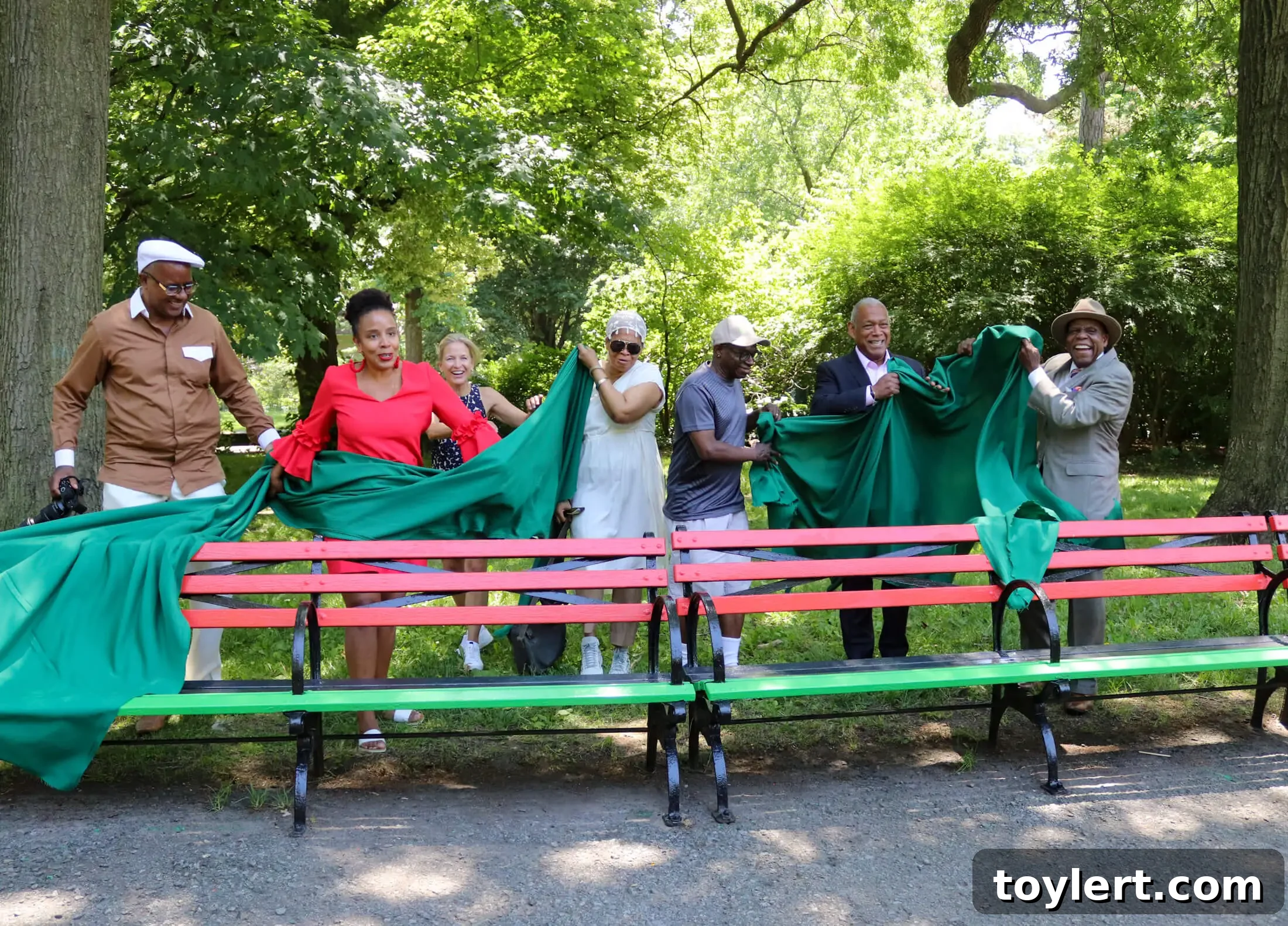
A significant moment recently unfolded in Brooklyn’s beloved Prospect Park as a serene, tree-sheltered walkway, now adorned with benches emblazoned in the vibrant colors of the Pan-African flag, was officially unveiled as “Juneteenth Way.” This historic christening, celebrated on a recent Friday, served as a powerful tribute to the national holiday of Juneteenth, commemorating the emancipation of enslaved African Americans. The unveiling ceremony, spearheaded by the dedicated Prospect Park Alliance, marked not only the dedication of this meaningful new space but also the beginning of an exciting chapter for the park: the long-anticipated restoration of the venerable Lefferts Historic House and the installation of a compelling outdoor photography exhibit featuring the renowned work of Jamel Shabazz. These initiatives collectively underscore a profound commitment to cultural recognition, historical preservation, and the celebration of the Black experience within New York City’s vital green spaces, making Prospect Park an even richer tapestry of history and community.
Celebrating Juneteenth: The Spirit of “Juneteenth Way” in Prospect Park
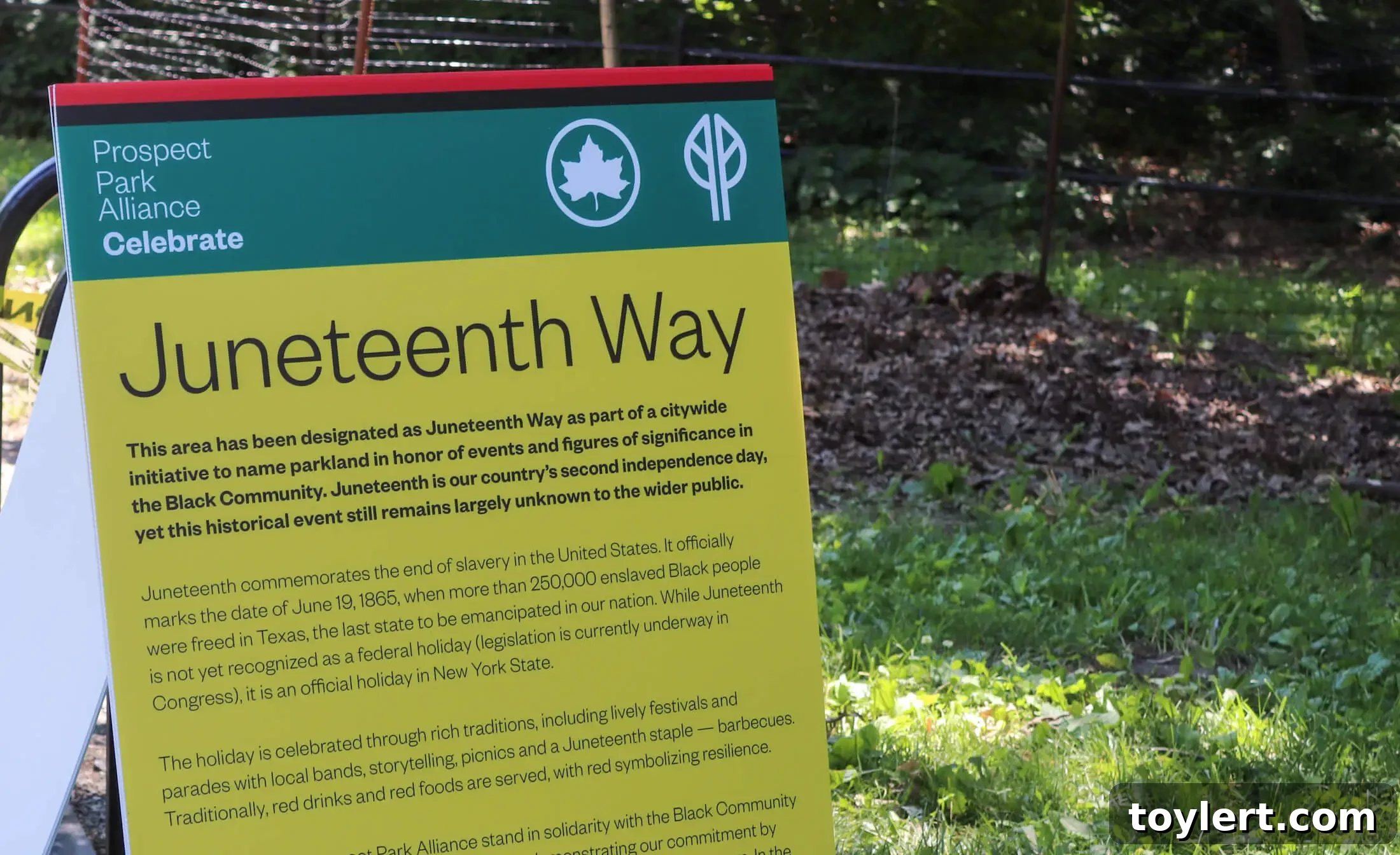
The dedication of “Juneteenth Way” transforms a tranquil stretch of Prospect Park into a living monument to freedom and resilience. Located near the bustling Children’s Corner entrance, this newly designated walkway invites visitors to reflect on the deep historical significance of Juneteenth, a day that marks the effective end of slavery in the United States on June 19, 1865. The benches, vibrantly painted with the red, black, and green of the Pan-African flag, serve as a constant visual reminder of Black liberation, unity, and heritage. These colors symbolize the blood shed, the people of African descent, and the lush land of Africa, respectively, creating a powerful visual statement within the urban park landscape. An interpretive sign, thoughtfully installed as part of the ceremony, educates passersby about the historical context and ongoing importance of Juneteenth, fostering a deeper understanding and appreciation for this pivotal moment in American history and its enduring legacy.
This impactful initiative is a direct outgrowth of the transformative NYC Parks Renaming Project, a far-reaching endeavor launched over the past year. The project actively sought public input to identify and honor the indelible contributions and experiences of Black New Yorkers within the city’s extensive network of parks and public spaces. “Juneteenth Way” stands as a testament to this collaborative effort, providing a tangible space where history is not just remembered but actively celebrated and integrated into the daily life of the community. It represents a visible and profound step towards weaving a more inclusive and accurate historical narrative into the very fabric of New York City’s public landscape, ensuring that the stories of all its citizens are acknowledged and honored.
Lefferts Historic House: Preserving Brooklyn’s Rich and Complex Tapestry
Simultaneously with the Juneteenth Way dedication, the Prospect Park Alliance proudly announced the commencement of a comprehensive restoration project for the Lefferts Historic House. This significant 18th-century Dutch colonial farmhouse offers a unique window into Brooklyn’s agrarian past and the lives of its early inhabitants. Built in 1783, the house belonged to the Lefferts family, prominent landowners in the then-rural Flatbush area, and also served as a site where enslaved African individuals lived and labored, contributing significantly to its operations. The restoration aims to meticulously preserve the architectural integrity of this historic structure while also expanding its interpretive programming to more fully explore the complex and often challenging history of the site, including the stories of the enslaved individuals whose lives were intertwined with the property. By revitalizing this important landmark, the Alliance seeks to create a more nuanced and complete understanding of Brooklyn’s historical development, ensuring that all facets of its past, including those less frequently told, are acknowledged, studied, and learned from.
The restoration of the Lefferts Historic House is not merely about preserving bricks and mortar; it is fundamentally about revitalizing a narrative. Future exhibits and educational programs within and around the house will delve deeper into the colonial era, the institution of slavery in New York, and the subsequent path to freedom and civil rights. This commitment to historical accuracy and inclusivity aligns perfectly with the spirit of “Juneteenth Way,” creating a holistic experience for park visitors that bridges various aspects of American and local history. It transforms the house into a dynamic learning environment, inviting dialogue and reflection on the diverse human stories that shaped the region, fostering empathy and understanding across generations. This renewed focus on the full historical context will make the Lefferts Historic House a cornerstone for education about Brooklyn’s deep and varied heritage.
Jamel Shabazz: Photography as a Lens on Culture, Identity, and Community
Adding another layer of cultural richness to Prospect Park, the unveiling ceremony also heralded the installation of an inspiring outdoor exhibit featuring the celebrated work of photographer Jamel Shabazz. Known for his iconic street photography, Shabazz has spent decades meticulously documenting the vibrant life, distinctive fashion, and rich culture of Black communities in New York City and beyond. His photographs are far more than mere images; they are powerful narratives that capture authentic moments of everyday life, resilience, style, and identity, often presented with profound empathy, respect, and an undeniable sense of humanity for his subjects. His unique ability to connect with people on the streets has resulted in a body of work that is both historically significant and deeply moving.
The decision to host an outdoor exhibit of Shabazz’s work in Prospect Park is particularly resonant and strategic. It brings high-quality, impactful art directly to the people, making it accessible to all park-goers, fostering a powerful connection between the art and the diverse community it depicts. His images, often characterized by their authentic portrayal of urban life and their celebratory depiction of Black culture and identity, offer a compelling visual dialogue that complements the historical significance of “Juneteenth Way” and the Lefferts Historic House. This outdoor gallery serves as a contemporary mirror, reflecting the very experiences, struggles, and triumphs that these new park features aim to honor and preserve, creating a dialogue across time and connecting historical commemoration with vibrant contemporary expression. The exhibit allows visitors to engage with profound storytelling through the lens of one of America’s most important documentarians of urban life.
Prospect Park: A Nexus of History, Culture, and Green Space in Brooklyn
Prospect Park, often hailed as Brooklyn’s premier green oasis, continues to evolve as a vital hub for both recreation and cultural enlightenment. Its sprawling landscapes, meticulously designed by the legendary Frederick Law Olmsted and Calvert Vaux, provide a serene and much-needed escape from the urban bustle, offering vast open spaces, winding pathways, and tranquil bodies of water. Simultaneously, its diverse programming ensures it remains a dynamic center for community engagement, hosting countless events, concerts, and educational activities throughout the year. The establishment of “Juneteenth Way,” the ongoing restoration of the Lefferts Historic House, and the installation of Jamel Shabazz’s powerful outdoor exhibit collectively reinforce the park’s role as far more than just a recreational area; it is a profound educational and cultural institution, deeply intertwined with the borough’s identity.
These recent enhancements transform Prospect Park into an even richer tapestry of experiences, deepening its connection to Brooklyn’s diverse population. Visitors can now stroll along “Juneteenth Way,” contemplating the meaning of freedom and the journey of emancipation, explore an 18th-century farmhouse revealing the complexities of colonial life and the history of slavery in New York, and immerse themselves in contemporary art that celebrates Black identity—all within the same magnificent public space. This integrated approach ensures that the park not only caters to the present needs of its community but also serves as a crucial bridge to its past and an inspiration for its future, fostering a deeper connection to the diverse narratives that shape New York City. Prospect Park truly embodies a space where history, nature, and community converge to create meaningful and lasting impressions.
A Day of Collective Celebration and Forward-Looking Reflection
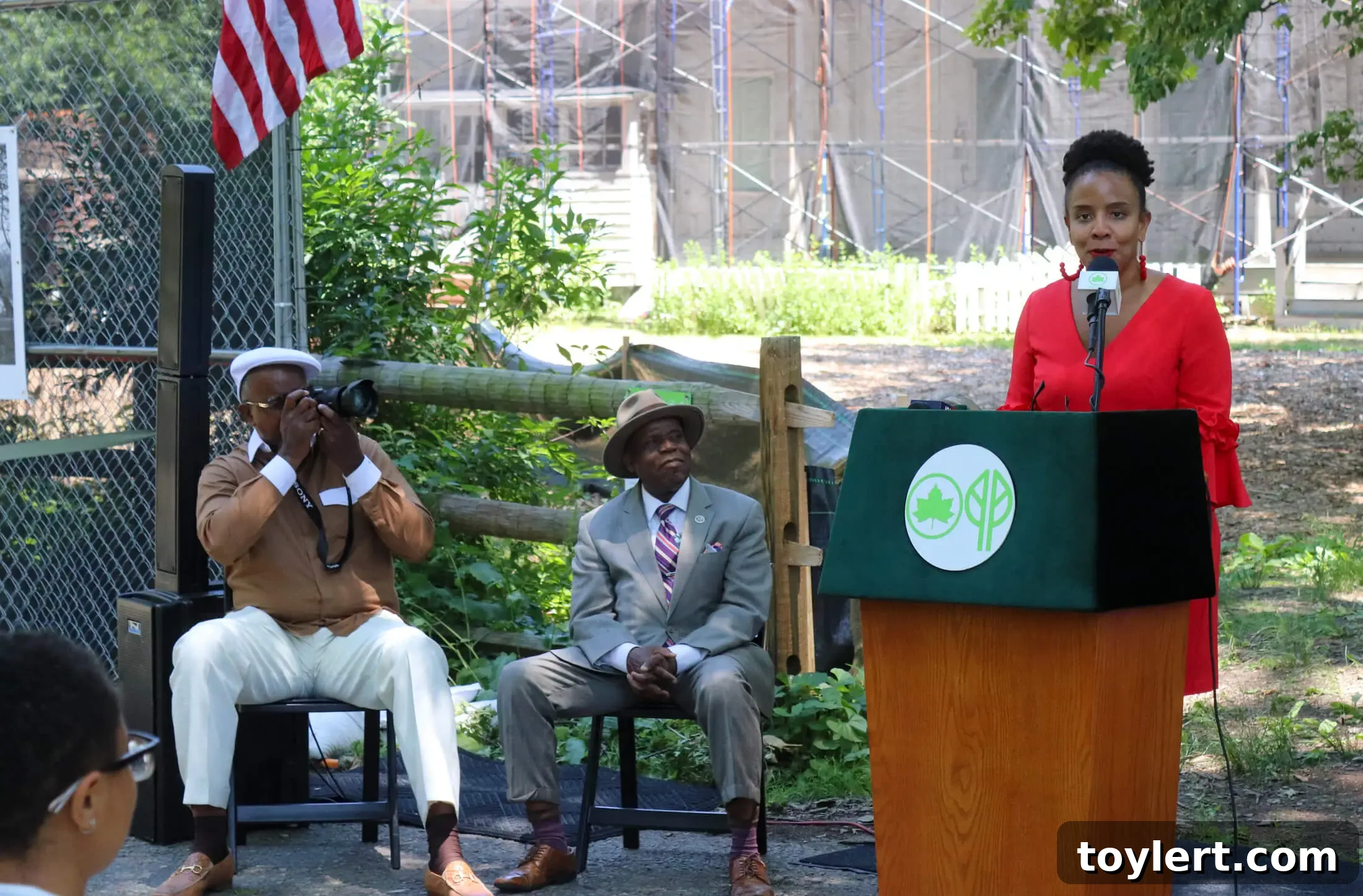
The unveiling ceremony for “Juneteenth Way” was far more than a simple ribbon-cutting; it was a vibrant community celebration charged with a palpable sense of collective purpose and pride. Community leaders, local officials, and residents gathered to acknowledge the historical weight and contemporary relevance of the day. Speakers at the event eloquently highlighted the importance of reclaiming and renaming public spaces to accurately reflect the full spectrum of American history, particularly the often-overlooked stories and contributions of Black Americans. The enthusiasm for the Lefferts Historic House restoration and the Jamel Shabazz exhibit was equally palpable, underscoring the community’s holistic commitment to both historical accuracy, cultural representation, and impactful contemporary artistic expression.
This multi-faceted event in Prospect Park serves as a powerful reminder of how public spaces can be transformed into dynamic sites for learning, commemoration, and celebration. By integrating these significant initiatives—from the renaming of a pathway to the restoration of a historic house and the showcasing of impactful art—Prospect Park is setting a powerful precedent for how urban green spaces can actively engage with and enrich the cultural and historical understanding of their communities. It’s a testament to Brooklyn’s ongoing commitment to fostering inclusivity, acknowledging its complex past, and celebrating its vibrant, diverse future. These efforts ensure that Prospect Park continues to be a space where all stories can be told and where history is a living, breathing part of the community experience.
Conclusion: A Legacy Etched in Prospect Park for Generations
The dedication of “Juneteenth Way,” the ongoing restoration of the Lefferts Historic House, and the captivating outdoor exhibit by Jamel Shabazz represent a monumental step forward for Prospect Park and the broader Brooklyn community. These initiatives, born from the progressive vision of the NYC Parks Renaming Project and the tireless efforts of the Prospect Park Alliance, masterfully weave together intricate strands of history, art, and community engagement into a cohesive and inspiring narrative. They ensure that the legacies of freedom, resilience, and cultural richness are not only recognized but actively celebrated, studied, and meticulously preserved for generations to come. Prospect Park proudly stands as a beacon of progress and inclusivity, inviting all to explore, learn, and connect with the profound stories embedded within its very landscape, reinforcing its role as a vital cultural and historical landmark for New York City.