The Enigmatic Kismet Temple: Brooklyn’s Architectural Marvel with Onion Domes
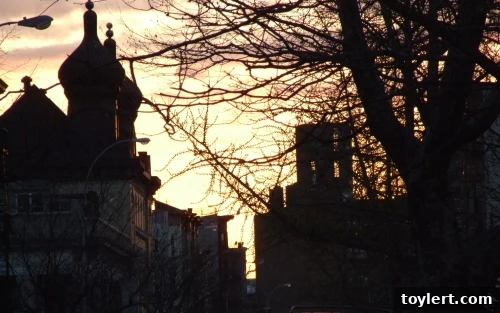
For those traversing the historic streets of Bedford-Stuyvesant and Crown Heights North in Brooklyn, a distinctive architectural masterpiece often catches the eye, sparking curiosity and wonder. Rising majestically above Herkimer Street, its prominent onion domes are visible from a significant distance, an undeniable focal point in the urban landscape. Visitors and residents alike frequently inquire about this extraordinary structure: “Is that a mosque?” or “What exactly is that building?” The allure is immediate and profound, as its exotic design stands in stark contrast to the surrounding brownstones and commercial buildings.
Indeed, this magnificent edifice, now serving as a vibrant Baptist church, has a rich and storied past. Its current purpose belies a fascinating history rooted in the unique social fabric of early 20th-century Brooklyn. Originally known as the Kismet Temple, this building was once the grand lodge of a powerful and influential fraternal organization. Its transformation over the decades, from a ceremonial center to a house of worship, is a testament to Brooklyn’s evolving character and the enduring adaptability of its historic structures. The desire to delve deeper into its origins—who built it, why, and what kind of organization it housed—is a question that resonates with many, inspiring a closer look at one of Brooklyn’s most captivating architectural gems.
A Glimpse into Brooklyn’s Vibrant Fraternal Culture at the Turn of the Century
To truly understand the Kismet Temple, one must first appreciate the broader societal context of Brooklyn at the turn of the 20th century. This era, often dubbed the Gilded Age and the Progressive Era, was a golden age for clubs and organizations across America, and Brooklyn was no exception. Far from today’s digital connections, community life revolved around tangible gathering places and shared affiliations. Historic documents, such as the *Brooklyn Eagle Almanacs* from the late 1800s, paint a vivid picture, detailing pages upon pages of diverse groups that thrived within the borough.
From fraternal clubs dedicated to brotherhood and mutual aid to various athletic, drama, political, and social clubs, there was truly an association for every conceivable interest and identity. Each religious denomination, ethnic group, and socio-economic stratum had its own unique clubs and elaborate clubhouses, serving as crucial hubs for social interaction, networking, and community building. Men’s clubs and women’s clubs flourished, alongside specialized groups for poetry, music, and philanthropy, where individuals gathered to assist those less fortunate. In an age predating television, radio, and widespread commercial entertainment, these organizations provided vital platforms for civic engagement, personal development, and collective leisure. They offered a sense of belonging, a structured social life, and often, critical support networks through mutual benefit programs, insurance, and aid for widows and orphans. While many clubs were straightforward in their purpose, some, like the Kismet Temple, came with an undeniable air of mystery, hinting at ancient rituals and hidden knowledge.
The Kismet Temple: A Beacon of Brotherhood and Benevolence
The Kismet Temple was no ordinary club; it was the grand headquarters for the Kismet Shriners, a prominent chapter of the Ancient Arabic Order of the Nobles of the Mystic Shrine (A.A.O.N.M.S.), more commonly known simply as the Shriners. This organization is a Masonic appendant body, meaning its members must first be Master Masons. Founded in the late 19th century, the Shriners adopted an exotic Middle Eastern theme, complete with fez hats, secret rituals, and an emphasis on fun, fellowship, and philanthropy.
The Kismet Temple in Brooklyn quickly became a central pillar of the Shrine’s activities in the region. Its members were often influential figures in the community – prominent businessmen, civic leaders, politicians, and professionals who sought both camaraderie and opportunities for charitable work. While the “mystery” surrounding such fraternal orders often captured public imagination, the core mission of the Shriners was, and remains, deeply benevolent. Their most significant philanthropic endeavor is the operation of Shriners Hospitals for Children, a network of healthcare facilities providing specialized medical care to children, regardless of their families’ ability to pay. The Kismet Temple, therefore, was not merely a social club; it was a hub for significant charitable efforts, a place where men of influence gathered to uphold a code of brotherhood and contribute positively to society, all within a uniquely theatrical and symbolically rich environment.
Architectural Grandeur: A Symbol of Oriental Mystique
The choice of architectural style for the Kismet Temple was deliberate and highly symbolic, reflecting the Shriners’ adopted “Oriental” theme. The building is a remarkable example of Moorish Revival architecture, a style that gained popularity in the late 19th and early 20th centuries, particularly for fraternal lodges and theaters seeking to evoke a sense of exoticism, ancient wisdom, and grandeur. Its most striking features are undoubtedly the four distinctive onion domes that crown its towers, reminiscent of mosques or Byzantine churches, which immediately set it apart from its Brooklyn surroundings.
Beyond the domes, the Kismet Temple boasts an array of intricate details characteristic of the style: graceful arches, detailed terra cotta ornamentation, geometric patterns, and often, vibrant color palettes (though external colors may have faded or changed over time). The building’s design aimed to transport its members and impress onlookers, signaling the special nature of the activities within. It was a conscious architectural statement, intended to convey a sense of the mysterious and the ancient, aligning with the rituals and symbolism of the Shriner order, which drew heavily from Middle Eastern lore and mythology. This extravagant architectural choice not only served as a physical manifestation of the Kismet Shriners’ identity but also became an iconic landmark, enriching the diverse architectural tapestry of Bedford-Stuyvesant and contributing to the neighborhood’s unique visual identity.
From Secret Rituals to Sacred Services: The Building’s Transformation
The Kismet Temple served as the vibrant home for the Shriners for several decades, witnessing countless ceremonies, social events, and charitable planning sessions within its exotic walls. However, societal changes inevitably brought shifts in the building’s purpose. The mid-20th century saw a decline in membership for many fraternal organizations across the United States, influenced by changing social priorities, economic pressures, and the rise of new forms of entertainment and community engagement. As membership dwindled and the costs of maintaining such a grand structure became prohibitive, the Kismet Shriners eventually sought a new, smaller home.
In a significant transition that reflects the dynamic nature of urban spaces, the former Kismet Temple found a new calling. It was acquired by a local congregation and transformed into a Baptist church. This repurposing is a common narrative for many historic structures in Brooklyn and beyond, where buildings evolve to meet the needs of successive generations and communities. The church has respectfully preserved much of the building’s unique architectural character, ensuring that the distinctive onion domes and intricate façade remain an integral part of Herkimer Street. While the interior has undoubtedly been adapted to suit the requirements of religious services, the external appearance continues to tell the story of its original grandeur and the mysterious appeal of the Kismet Temple, standing as a testament to the layered histories embedded within Brooklyn’s built environment.
Beyond the Facade: The Enduring Legacy of Kismet
Today, the building on Herkimer Street, once the Kismet Temple and now a cherished Baptist church, continues to captivate and inspire. It stands as more than just a structure; it is a profound historical marker, a tangible link to a bygone era of elaborate fraternal societies and community-driven philanthropy. Its striking onion domes in Brooklyn serve as a constant reminder of the borough’s incredible diversity, its capacity for reinvention, and the rich cultural narratives woven into its very foundations.
The fascination it sparks in residents and visitors alike underscores the importance of preserving such unique architectural heritage. It encourages us to look beyond the immediate appearance of buildings and delve into the stories they hold—stories of ambition, community, faith, and transformation. The Kismet Temple building remains an iconic landmark, a visual anchor in the heart of Brooklyn that prompts contemplation about the past, celebrates the present, and continues to contribute to the unique character of one of New York City’s most vibrant boroughs. Whether viewed as an architectural curiosity, a testament to fraternal history, or a beacon of faith, its legacy is undeniably enduring, inviting everyone to pause, admire, and inquire: What incredible stories does this majestic building still have to tell?