The Shifting Retail Landscape of Williamsburg: From Local Charm to National Brands
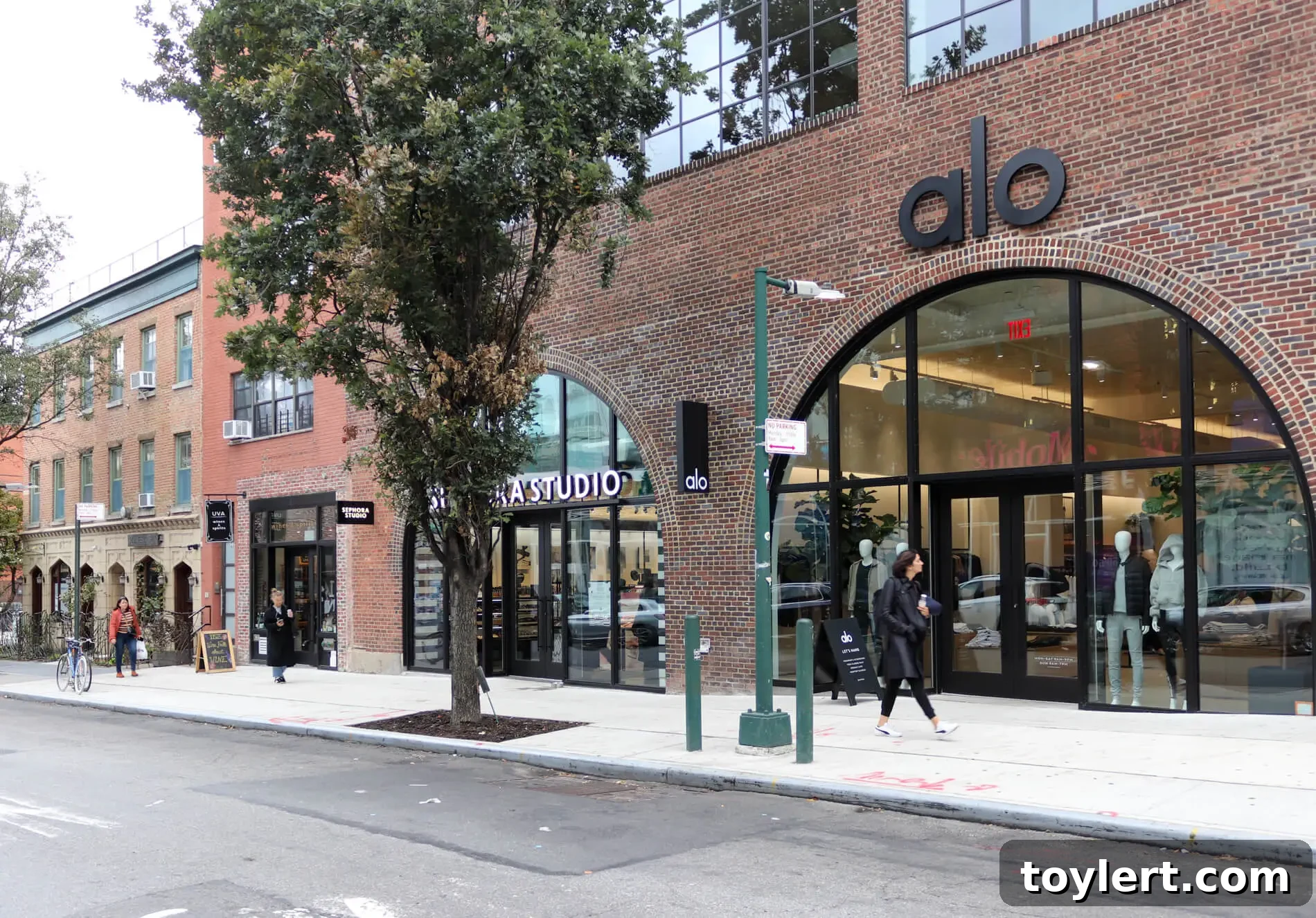
Williamsburg, Brooklyn, a neighborhood long celebrated for its distinctive independent spirit and vibrant local businesses, is currently undergoing a significant retail transformation. Freed from the looming uncertainty of the L train shutdown, commercial spaces across the area are rapidly being filled, signaling a robust return of investor confidence. However, this resurgence brings with it a noticeable shift: a growing influx of national chain stores, reminiscent of a conventional shopping mall, reshaping the very essence of Williamsburg’s retail identity.
This dynamic evolution is particularly evident on North 6th Street, where a multitude of storefronts that once stood vacant for extended periods are now bustling with new activity. Similarly, Bedford Avenue, long a primary artery of commerce in the neighborhood, is welcoming a fresh wave of businesses. This period marks a pivotal moment, influencing everything from local aesthetics to economic dynamics and the daily experiences of residents and visitors alike.
The L Train Factor: A Catalyst for Change
For years, the specter of the L train shutdown cast a long shadow over Williamsburg’s commercial real estate market. The Metropolitan Transportation Authority’s (MTA) plans for extensive repairs to the Canarsie Tunnel, a vital link between Manhattan and Brooklyn, threatened to severely disrupt commuter patterns and significantly reduce foot traffic. This uncertainty led to a period of stagnation, with landlords hesitant to lease and businesses wary of investing in an area facing potential isolation. Many storefronts remained empty, contributing to an eerie quietude that belied Williamsburg’s otherwise energetic reputation.
The revised L train repair plan, which largely mitigated the need for a full shutdown and instead opted for night and weekend work, provided an immense sigh of relief. This decision effectively removed a major barrier to commercial growth, unleashing pent-up demand. With the threat of a transportation crisis averted, Williamsburg once again presented itself as an incredibly attractive destination for retailers, leading to a swift reevaluation of its commercial viability. The resulting scramble for prime retail space underscores the neighborhood’s resilience and its enduring appeal as a consumer hub.
North 6th Street’s Metamorphosis: A Retail Epicenter Reimagined
The stretch of North 6th Street, specifically between Bedford and Kent Avenues, serves as a microcosm of Williamsburg’s broader retail narrative. Historically, this area has witnessed several distinct phases of commercial activity. Decades ago, it was home to utilitarian businesses, including a concentration of meat markets, catering to the needs of the local working-class population. As Williamsburg began its gentrification process, North 6th Street evolved, becoming a haven for trendy restaurants, vibrant clubs, and unique, independent boutiques like the highly regarded The Future Perfect.
However, in recent years, a puzzling quiet descended upon this once-lively street. At any given time, it wasn’t uncommon to spot a dozen or more empty storefronts, prompting local speculation and concern about the area’s economic health. This period of dormancy, largely exacerbated by the L train shutdown anxieties and escalating rental costs, created a vacuum. Now, with renewed confidence, that vacuum is being filled, predominantly by a new breed of tenant: national chain stores. This shift represents a significant departure from the street’s recent past, ushering in a more standardized, yet undeniably active, commercial environment.
Bedford Avenue: Solidifying Its Retail Dominance
While North 6th Street experienced a more dramatic swing from quiet to crowded, Bedford Avenue has consistently been Williamsburg’s primary retail corridor. Already boasting a diverse array of shops, cafes, and restaurants, Bedford Avenue has always attracted significant foot traffic from residents and tourists alike. The current retail boom, however, is not merely filling vacant spots; it’s intensifying the commercial density and elevating the profile of the brands choosing to establish a presence here.
New businesses opening on Bedford Avenue are often well-known national retailers, further cementing the street’s status as a major shopping destination. This trend suggests a strategic move by larger brands to capture a share of Williamsburg’s affluent demographic and the constant stream of visitors. While independent businesses still thrive on Bedford, the increasing presence of national chains adds another layer to the street’s commercial tapestry, potentially altering the competitive landscape for smaller, local enterprises. The synergy between North 6th Street’s revival and Bedford Avenue’s continued growth creates a powerful retail gravitational pull for the entire neighborhood.
The “Mallification” of Williamsburg: A Double-Edged Sword
The term “mallification” aptly describes the current trend in Williamsburg’s retail sector. It refers to the phenomenon where a distinctive urban commercial district begins to mirror the retail offerings typically found in a suburban shopping mall, characterized by a predominance of national and international chain stores. Brands such as Warby Parker, Everlane, Madewell, and others, often direct-to-consumer online retailers seeking a physical presence, are increasingly selecting Williamsburg as a key market.
On one hand, the influx of these established brands brings several perceived benefits. It signals economic vitality, creates jobs, and offers residents a wider range of familiar shopping options. These stores often have sophisticated merchandising and robust marketing budgets, which can draw even more people to the neighborhood, potentially benefiting surrounding businesses. Furthermore, the stability of national tenants can be attractive to landlords, ensuring consistent rental income and contributing to the overall stability of the commercial real estate market.
However, the “mallification” trend also raises concerns. Williamsburg’s charm has historically stemmed from its unique, eclectic mix of independent boutiques, artisan shops, and locally owned businesses that reflect the neighborhood’s creative spirit. The proliferation of national chains can lead to a homogenization of the retail experience, eroding the distinct character that made Williamsburg a magnet for both residents and tourists. It risks transforming a vibrant, idiosyncratic neighborhood into a generic shopping district, indistinguishable from many others across the country.
Impact on Local Businesses and Neighborhood Character
The arrival of national chains presents a significant challenge for Williamsburg’s independent businesses. Local boutiques and shops often struggle to compete with the extensive marketing budgets, bulk purchasing power, and brand recognition of larger corporations. Rising commercial rents, fueled by the demand from these well-funded chains, further squeeze smaller operators, making it increasingly difficult for them to sustain their presence.
The essence of Williamsburg has long been tied to its entrepreneurial spirit and the curated offerings of its local merchants. These businesses often serve as community hubs, reflecting local tastes and contributing to the neighborhood’s unique identity. As more national brands move in, there’s a risk that this local flavor could be diluted. The neighborhood could lose its edge as a destination for unique finds and experiences, instead becoming just another place to buy mass-produced goods. This shift represents a potential trade-off between economic growth and the preservation of cultural distinctiveness, a dilemma faced by many rapidly gentrifying urban areas.
The Economics Behind the Shift: Why Chains Choose Williamsburg
Several economic factors are driving national chains to establish a presence in Williamsburg. Firstly, the neighborhood boasts high foot traffic, an essential metric for retail success, especially on key avenues like Bedford and North 6th Street. Post-L train uncertainty, this foot traffic has only grown, attracting brands seeking visibility and direct customer engagement.
Secondly, Williamsburg’s demographic profile is highly attractive. The area is home to a significant population of affluent, trend-conscious residents who align perfectly with the target demographic of many modern national retailers. Furthermore, Williamsburg remains a major tourist destination, drawing international and domestic visitors eager to explore its famed streets, offering an additional customer base for these brands.
Lastly, while commercial rents in Williamsburg are undoubtedly high, national chains often have the financial capacity to absorb these costs, viewing them as a strategic investment in market expansion and brand building. Securing a presence in a coveted, trendy neighborhood like Williamsburg offers invaluable brand prestige and market penetration that justifies the premium price tags for commercial leases. Landlords, in turn, often prefer national tenants due to their perceived stability, stronger balance sheets, and ability to commit to longer lease terms, providing a more secure and predictable revenue stream.
The Future Outlook for Williamsburg Retail
The transformation of Williamsburg’s retail landscape is an ongoing narrative, with its ultimate direction still unfolding. While the immediate future points towards a continued expansion of national brands, the question remains whether a healthy balance can be struck between fostering economic growth and preserving the neighborhood’s unique, independent character. It’s plausible that Williamsburg will evolve into a hybrid retail environment, where established chains coexist with thriving local businesses, each catering to different facets of the community’s needs and desires.
The challenge for local policymakers, community leaders, and developers will be to implement strategies that support independent businesses, encourage local entrepreneurship, and maintain the authentic spirit that has always defined Williamsburg. As the neighborhood continues to mature and attract diverse investments, its retail scene will undoubtedly remain a focal point of observation, reflecting broader trends in urban development and consumer culture.