The Future of Brooklyn’s Heritage: LPC Unlocks Key Development and Preservation Projects
Brooklyn, a borough renowned for its rich history, distinct architecture, and vibrant neighborhoods, continues to be a focal point for both innovative development and crucial historic preservation. The Landmarks Preservation Commission (LPC), the New York City agency responsible for protecting the city’s architecturally, historically, and culturally significant buildings and sites, has recently made significant strides in addressing its backlog of proposals and designations across Brooklyn. This concerted effort underscores the commission’s dedication to balancing the demands of modern urban growth with the imperative of safeguarding the borough’s irreplaceable heritage.
Landmarks Preservation Commission Accelerates Historic Preservation in Brooklyn
In a series of highly anticipated and pivotal votes, the Landmarks Preservation Commission demonstrated its expedited approach to resolving long-standing proposals that have been under review for years. This swift action is a welcome development for community stakeholders, preservationists, and developers alike, signaling a clearer path forward for projects that aim to redefine or protect significant structures within Brooklyn’s historic districts. The recent approvals and designations not only reflect the LPC’s commitment to efficiency but also highlight the complex interplay between design innovation, neighborhood character, and regulatory oversight.
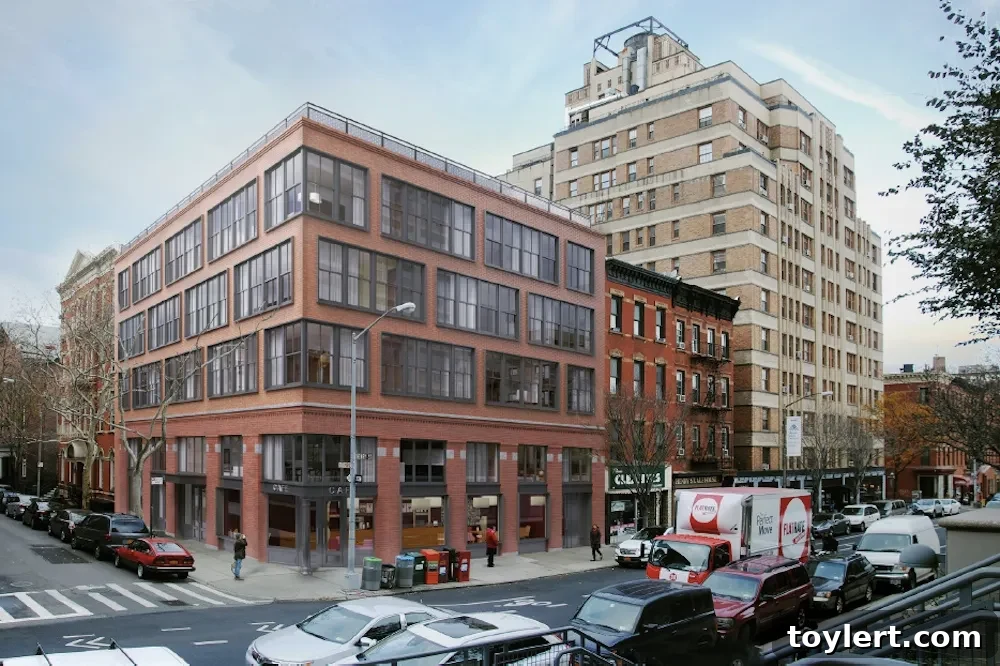
Among the most prominent decisions was the approval of a design for the much-discussed conversion of the Brooklyn Heights Cinema building at 70 Henry Street into condominiums. This project, which has seen numerous iterations and considerable public discourse, represents a significant moment for the future of Brooklyn Heights. Concurrently, the LPC granted landmark designation to two other notable Brooklyn structures: the M.H. Renken Dairy building on Myrtle Avenue in Clinton Hill, an industrial relic long awaiting recognition, and the Henry and Susan McDonald House in Wallabout, a testament to the borough’s residential architectural past. These designations provide vital protection, ensuring that these buildings will endure for future generations, preserving the unique tapestry of their respective neighborhoods.
A New Chapter for 70 Henry Street: Brooklyn Heights Cinema Reimagined
The Saga of 70 Henry Street: From Cinema to Contemporary Condominiums
The building at 70 Henry Street holds a special place in the hearts of many Brooklyn residents, particularly those in Brooklyn Heights. For decades, it served as the beloved Brooklyn Heights Cinema, a local institution that provided a classic movie-going experience in an era increasingly dominated by multiplexes. Its closure left a void in the community and initiated a complex journey toward redevelopment. Given its prime location within the historic Brooklyn Heights district, any proposed changes to the building’s facade or structure naturally drew intense scrutiny from the LPC, community boards, and local residents.
The path to approval for the current condominium conversion plan was fraught with challenges. Developers had previously submitted similar proposals to the commission, both of which faced rejection. The initial rejections were largely due to concerns over the proposed designs’ compatibility with the existing architectural fabric of the historic district, potential impacts on the neighborhood’s unique character, and issues surrounding the proposed height and massing. Developing within a designated historic district presents a unique set of constraints, demanding a delicate balance between modern architectural aspirations and the stringent requirements for preserving historical integrity and aesthetic harmony. Each rejection necessitated a complete re-evaluation of the design, pushing architects to craft a solution that could meet the LPC’s rigorous standards while still fulfilling the developer’s vision for contemporary living spaces.
Morris Adjmi Architects’ Winning Vision
The successful design, finally approved by the LPC, is the brainchild of Morris Adjmi Architects, a firm celebrated for its sensitive yet modern approach to architecture, notably responsible for the acclaimed Wythe Hotel in Williamsburg. Their expertise in blending industrial aesthetics with contemporary design, often within challenging urban contexts, proved crucial for the 70 Henry Street project. The approved plan involves adding a three-story condo building on top of the existing structure, creating a cohesive and thoughtfully integrated development that respects its historic surroundings.
The design by Morris Adjmi Architects skillfully navigates the architectural sensitivities of Brooklyn Heights. By proposing a new addition that rises to exactly 50 feet – the maximum allowed on that particular site – the architects demonstrated a keen understanding of both regulatory limits and contextual design. The new structure is conceived to complement the existing building rather than overpower it, employing materials and forms that resonate with the neighborhood’s character while clearly articulating its contemporary identity. This careful articulation ensures that the new condominiums will not only provide desirable residences but also contribute positively to the streetscape, maintaining the charm and historical integrity that define Brooklyn Heights. The approval signifies that the commission found this design to be an exemplary model of how modern development can coexist harmoniously within a historically rich urban environment.
The Impact on Brooklyn Heights Real Estate and Community
The approval for 70 Henry Street is poised to have a multifaceted impact on Brooklyn Heights. From a real estate perspective, the introduction of new, luxury condominiums in such a prime location is expected to further enhance the already robust property values in the neighborhood. These units will cater to a discerning clientele seeking sophisticated urban living coupled with historic charm, further solidifying Brooklyn Heights’ reputation as one of New York City’s most desirable addresses. The project brings new residential density to an area rich in amenities, supporting local businesses and contributing to the economic vitality of the district.
For the community, the project marks the resolution of a long-standing debate. While the loss of the cinema was mourned, the thoughtful redevelopment of the site offers a new chapter. The approved design represents a compromise that attempts to satisfy the demands of progress while adhering to the principles of preservation. It sets a precedent for how future developments in historic districts might proceed, emphasizing that innovative architectural solutions can be found to respect historical contexts. This balance ensures that Brooklyn Heights continues to evolve while retaining the unique character that makes it such an enduring and cherished part of Brooklyn.
Celebrating Industrial and Residential Heritage: New Designations in Clinton Hill and Wallabout
Beyond the high-profile 70 Henry Street approval, the LPC’s recent actions have also provided crucial protection for other significant Brooklyn landmarks, showcasing the diversity of the borough’s architectural and historical treasures.
The M.H. Renken Dairy Building: Preserving Clinton Hill’s Industrial Past
In Clinton Hill, the M.H. Renken Dairy building on Myrtle Avenue received its long-awaited landmark designation. This designation is a vital step in preserving a tangible link to Brooklyn’s industrial heritage. Built in the early 20th century, the Renken Dairy was once a prominent local business, playing a significant role in the daily lives of countless Brooklynites. Its sturdy, functional architecture reflects the industrial aesthetic of its era, characterized by robust construction and utilitarian design. The building stands as a powerful reminder of the borough’s past as a manufacturing and distribution hub. The landmark status means that any future alterations or developments affecting the M.H. Renken Dairy building will be subject to strict review by the LPC, ensuring its architectural character and historical significance are maintained for generations to come, preventing haphazard redevelopment that could erase this important piece of Clinton Hill’s identity.
The Henry and Susan McDonald House: A Gem in Wallabout
Further enhancing Brooklyn’s protected architectural inventory, the Henry and Susan McDonald House in Wallabout also received landmark designation. This elegant residence offers a glimpse into Brooklyn’s 19th-century residential life and architectural styles. Wallabout, a neighborhood with deep historical roots, boasts a rich collection of homes that tell the story of the borough’s growth and development. The McDonald House, with its distinctive features and historical context, contributes significantly to the unique narrative of Wallabout. Its designation by the LPC safeguards its architectural integrity, ensuring that this residential gem remains a valued part of the neighborhood’s streetscape and serves as an educational tool for understanding Brooklyn’s rich domestic history. Such designations highlight the LPC’s comprehensive approach to preservation, extending protection not only to grand public structures but also to the more intimate, yet equally significant, residential buildings that define the borough’s character.
The Broader Significance of LPC’s Decisions
The recent decisions by the Landmarks Preservation Commission collectively underscore its critical role in shaping Brooklyn’s urban landscape. The commission operates at the delicate intersection of preservation and progress, tasked with the complex challenge of facilitating development that meets contemporary needs while honoring the past. By addressing its backlog and making decisive rulings on both development proposals and new designations, the LPC demonstrates a proactive stance in managing Brooklyn’s evolving identity.
These approvals and designations signal a forward-thinking approach, recognizing that sustainable urban development requires careful integration of new structures with existing historical contexts. The case of 70 Henry Street exemplifies the possibility of achieving a modern aesthetic and function within a historic district, provided the design is thoughtfully conceived and respectfully executed. Similarly, the designation of buildings like the M.H. Renken Dairy and the Henry and Susan McDonald House reinforces the idea that Brooklyn’s story is told not just through its grand monuments but also through its everyday architecture, its industrial past, and its residential charm. The LPC’s commitment ensures that Brooklyn’s future will be built on the strong foundation of its rich and diverse heritage, fostering a sense of continuity and identity amidst relentless change.
Conclusion: A Vision for a Harmonious Brooklyn
The recent actions by the Landmarks Preservation Commission represent more than just bureaucratic decisions; they are strategic moves that define Brooklyn’s trajectory for years to come. By clearing the path for thoughtful redevelopment at 70 Henry Street and extending protective designations to the M.H. Renken Dairy building and the Henry and Susan McDonald House, the LPC has reaffirmed its commitment to a harmonious Brooklyn – one where the echoes of the past resonate with the aspirations of the future. These decisions ensure that the borough’s unique character, built upon layers of history and diverse architectural expressions, continues to thrive. As Brooklyn progresses, the steadfast dedication to preserving its landmarks guarantees that its soul remains intact, offering both residents and visitors a tangible connection to its remarkable journey through time.