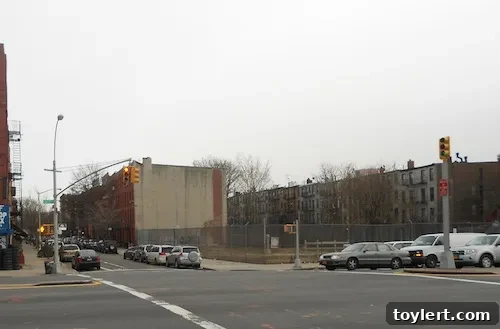
Transforming a Neglected Corner: The Long-Awaited Community Garden at 4th Avenue and Sackett Street
For an extended period, the prominent corner lot situated at 4th Avenue and Sackett Street in the vibrant Brooklyn neighborhood of Park Slope has remained an underutilized, vacant expanse. This empty space, a stark contrast to the bustling urban environment surrounding it, has long been a subject of local discussion and aspiration. However, recent developments suggest that this neglected parcel of land is finally poised for a transformative future. There are now tangible indications that the city is moving towards fulfilling a long-standing promise to return this valuable real estate to the community, heralding the potential for a new era of urban revitalization and green space development in the heart of Brooklyn.
A Decade of Delay: The DEP’s Underground Endeavor and Community Frustration
The prolonged disuse of the 4th Avenue and Sackett Street lot stems directly from its appropriation by the New York City Department of Environmental Protection (DEP). For more than a decade, this vital corner served as a staging ground and access point for a monumental infrastructure project: the construction and maintenance of an underground water shaft tunnel. This critical undertaking, often referred to as Shaft 22B, is an essential component of the city’s vast network designed to deliver clean, potable water to millions of New Yorkers. While the necessity of such infrastructure work is undeniable for urban sustainability and public health, its protracted nature meant that a significant piece of communal land was effectively rendered inaccessible and devoid of public benefit for an extensive period.
Throughout this decade-long occupation, the DEP had consistently reassured local residents and civic organizations that the land would be handed over to the community once the extensive underground work reached its completion. This promise, while offering a beacon of hope, also fueled a growing sense of frustration as years turned into a decade with no clear end in sight. The visible presence of construction equipment, barriers, and ongoing activity served as a constant reminder of both the hidden infrastructure below and the unrealized potential of the space above. Community members, keenly aware of the scarcity of green spaces in their densely populated neighborhood, closely monitored the progress, or often, the perceived lack thereof.
The Community’s Persistent Voice: Advocacy for Green Space in Park Slope
The aspirations for this lot to become a vibrant community asset have deep roots within Park Slope. The local community, known for its active civic engagement, did not passively wait for the DEP’s work to conclude. Instead, various groups and residents consistently advocated for the transformation of the site into a public green space. The Park Slope Civic Council, a prominent voice in neighborhood affairs, encapsulated this sentiment perfectly back in 2007 with their poignant question, “Will We Ever See Green Atop Shaft 22B?” This query, posed years into the DEP’s occupation, underscored the community’s enduring desire for green infrastructure and its skepticism regarding the project’s timeline and the fulfillment of the city’s promises.
The call for a community garden or a public park on this specific site was not merely a wish for aesthetic improvement; it was a deeply practical request rooted in the recognized need for more shared public spaces in an ever-growing urban environment. Green spaces offer myriad benefits, from providing areas for recreation and relaxation to improving air quality, supporting local biodiversity, and fostering social cohesion. For a neighborhood like Park Slope, where open land is a premium, reclaiming this corner meant more than just a new garden; it represented an opportunity to enhance the quality of life for thousands of residents and strengthen the fabric of the community. The consistent pressure from civic groups and individuals played a crucial role in keeping the promise of a future green space alive through years of construction and uncertainty.
A Glimmer of Hope: The Community Board 6 Announcement
After years of anticipation and advocacy, a significant breakthrough was finally announced at last month’s Community Board 6 meeting. During this public forum, representatives from the Department of Environmental Protection delivered an encouraging update: the long-awaited transformation of the 4th Avenue and Sackett Street lot into a “landscape art/community garden” is officially on the horizon. This announcement was met with a renewed sense of optimism among local residents and community leaders, signifying a potential turning point after more than a decade of patience and planning. The concept of a combined landscape art and community garden suggests an innovative approach, aiming to blend aesthetic beauty with practical community engagement and environmental benefits.
A landscape art garden implies a space that is not only functional for gardening but also designed with artistic elements, possibly featuring installations, sculptural forms, or unique horticultural arrangements that contribute to the visual identity of the neighborhood. Coupled with a community garden component, this hybrid model promises to offer both passive enjoyment and active participation opportunities for residents. It envisions a vibrant hub where people can connect with nature, cultivate plants, share knowledge, and engage in creative expression. The news, though preliminary, reignited hopes that the long-neglected corner would soon blossom into a truly unique and beneficial public asset for the Park Slope community.
Navigating the Path Forward: Challenges and Unanswered Questions
Despite the exciting announcement, the path towards realizing the 4th Avenue and Sackett Street community garden is not without its complexities and uncertainties. Several critical questions remain unanswered, and significant hurdles must be addressed before any groundbreaking can commence. The community, while hopeful, remains cautiously optimistic, having experienced previous delays and conflicting information regarding the project’s timeline and scope.
The Elusive Timetable
One of the most pressing concerns revolves around the actual timetable for the garden’s construction. While the DEP has announced its intention, a concrete schedule with specific milestones and completion dates has yet to be provided. This lack of clarity is particularly unsettling given the project’s history. For instance, the community was initially led to believe that construction on the garden might begin as early as the fall of 2009. However, subsequent city announcements in 2010 pushed the completion date for the underlying water shaft work to 2013, effectively delaying any surface-level development. These past discrepancies make the current absence of a firm timeline a significant point of concern for residents eager to see tangible progress. A well-defined schedule is crucial for planning, resource allocation, and maintaining community confidence.
The Critical Need for a Feasibility Study
A fundamental step that appears to be missing is the completion of a comprehensive feasibility study for the project. Such a study is an indispensable prerequisite for any major urban development, especially one involving a public space built atop complex underground infrastructure. A feasibility study would meticulously assess various aspects, including but not limited to, the structural integrity of the ground above the water shaft, soil composition, drainage capabilities, environmental impacts, design options, cost estimates, and long-term maintenance requirements. Without this crucial analysis, the project risks encountering unforeseen challenges, budget overruns, or even safety issues. Its absence indicates that the project is still in its very preliminary stages, making any immediate timeline for construction highly speculative and potentially unrealistic.
Ensuring Authentic Community Input
Another vital aspect that needs to be actively pursued is the solicitation of meaningful community input. While the general idea of a garden has been welcomed, the specifics of its design, features, and operational guidelines should reflect the needs and desires of the people who will ultimately use and care for it. Authentic community engagement involves workshops, public forums, and surveys to gather ideas on everything from specific plant choices and landscape art themes to potential programming and governance models for the garden. Such participatory design not only ensures that the final product truly serves the community but also fosters a sense of ownership and responsibility among residents, which is crucial for the long-term success and sustainability of any public green space. Without this input, there’s a risk that the garden, however well-intentioned, might not fully resonate with or cater to the diverse needs of the Park Slope neighborhood.
Is the Water Shaft Project Truly Complete?
Perhaps the most fundamental question lingering in the minds of the community is whether the Department of Environmental Protection’s extensive water shaft project has, in fact, been fully completed. The development of a community garden is entirely contingent upon the successful conclusion and certification of the underground infrastructure work. Any lingering construction, testing, or remediation related to the water shaft could pose significant obstacles, delays, or even safety hazards to the garden project. The community board, recognizing the paramount importance of this clarity, has specifically requested that the DEP return to the board. Their aim is to help clarify these pressing concerns and provide definitive answers to the numerous questions surrounding both the completion status of the underground work and the detailed plans for the surface-level green space. This transparency is crucial for building trust and ensuring that the project proceeds on a solid foundation.
Envisioning a Vibrant Green Oasis: Potential Impact on Park Slope
Despite the remaining questions, the vision of a thriving landscape art/community garden at 4th Avenue and Sackett Street continues to inspire optimism. Should this project finally come to fruition, its potential impact on the Park Slope neighborhood would be profound and multifaceted, bringing significant social, environmental, and aesthetic benefits to the area. This once-neglected corner could be transformed into a vibrant green oasis, a symbol of urban resilience and community spirit.
From a social perspective, the garden would serve as a crucial gathering place, fostering stronger community bonds and intergenerational connections. Imagine a space where children can learn about botany, neighbors can share gardening tips, and local artists can display their work. It could host educational workshops, cultural events, and quiet contemplation areas, encouraging residents of all ages and backgrounds to interact and build a more cohesive community fabric. Such a space often becomes the heart of a neighborhood, facilitating connections that extend beyond the garden’s fences.
Environmentally, the benefits would be equally significant. An urban green space acts as a vital lung for the city, contributing to improved air quality by absorbing pollutants and producing oxygen. It would help manage stormwater runoff, reducing strain on the city’s drainage systems, and provide much-needed habitat for local birds, insects, and other small wildlife, enhancing urban biodiversity. Furthermore, a community garden promotes sustainable practices, encouraging residents to grow their own food, learn about composting, and embrace eco-friendly lifestyles. This commitment to green infrastructure aligns perfectly with broader urban sustainability goals.
Aesthetically, the landscape art component promises to elevate the visual appeal of 4th Avenue, transforming a utilitarian thoroughfare into a destination. Public art integrated into a natural setting can inspire, provoke thought, and contribute to the unique identity of the neighborhood. The contrast of lush greenery against the urban landscape would create a striking visual landmark, enhancing the quality of life and potentially increasing property values in the vicinity. This unique blend of art and nature would offer residents a serene escape and a source of daily inspiration amidst the urban bustle.
Moving Forward: A Collective Effort for a Shared Dream
The journey to transform the corner of 4th Avenue and Sackett Street from a utilitarian construction site into a cherished community green space has been exceptionally long and fraught with hurdles. Yet, the recent announcement by the DEP, signaling the intention to create a landscape art/community garden, offers a powerful glimmer of hope that the persistent efforts of the Park Slope community are finally on the cusp of yielding tangible results. However, as history has shown, sustained vigilance and active collaboration between the community, the Department of Environmental Protection, and local government officials will be absolutely crucial in ensuring that this project not only progresses but truly thrives.
The community board’s proactive request for further clarification on the water shaft project’s completion and the garden’s timeline underscores the importance of transparency and accountability in public works. It is imperative that all stakeholders work cohesively to address the remaining uncertainties regarding feasibility studies, secure authentic community input, and establish a clear, achievable timeline. By doing so, they can collectively overcome the challenges and pave the way for a truly vibrant, inclusive, and sustainable green space.
Here’s hoping that this long-awaited project, envisioned for over a decade, will indeed become a reality in our lifetimes. The transformation of this neglected corner into a flourishing community garden would not only fulfill a long-standing promise but also stand as a testament to the power of community advocacy and the enduring dream of fostering more green spaces within New York City’s urban fabric. The future of 4th Avenue and Sackett Street holds the promise of becoming a cherished hub for nature, art, and community life.
View on Google Maps