Crown Heights’ Architectural Gem: Park Place Designated a Historic District
In a significant move for urban preservation and Brooklyn’s rich architectural heritage, the New York City Landmarks Preservation Commission (LPC) has officially designated a picturesque stretch of Park Place in Crown Heights as a Historic District. This vital designation encompasses the magnificent rowhouses located from 651 to 675 Park Place, nestled between the bustling Franklin and Bedford avenues. This decision marks a crucial step in safeguarding the unique character and historical integrity of one of Brooklyn’s most cherished neighborhoods, ensuring that its architectural legacy endures for future generations.
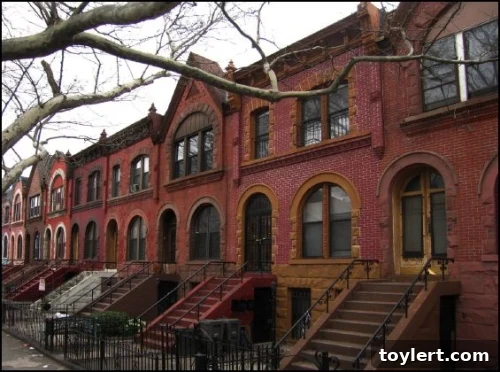
The newly formed Park Place Historic District is celebrated for its remarkable collection of homes, which serve as a vivid testament to the architectural styles and urban development trends of the late 19th century. These thirteen residences are not merely buildings; they are storytellers, each facade whispering tales of a bygone era when Brooklyn was rapidly expanding and evolving into a vibrant urban center. Their designation is a recognition of their collective value, highlighting their exceptional contribution to the streetscape and the broader cultural landscape of Crown Heights.
A Glimpse into 19th-Century Brooklyn: The Architecture of Park Place
The heart of the Park Place Historic District lies in its distinct architectural style. Comprising thirteen Romanesque Revival style rowhouses, these structures were meticulously constructed circa 1894. This period was a golden age for residential architecture in Brooklyn, characterized by a desire for ornate detailing and robust craftsmanship. What truly sets these homes apart is their harmonious blend of richly ornamented facades with elegant Queen Anne style details, creating a visual feast for passersby and a tangible link to Brooklyn’s prosperous past.
The craftsmanship evident in these homes is truly exceptional. Constructed primarily from resilient brick, complemented by intricate sandstone carvings and delicate terra cotta elements, they showcase the high-quality materials and skilled artistry prevalent at the turn of the century. The architects of these residences envisioned them as a cohesive group, a unified streetscape where individuality and collective harmony could coexist. This vision is palpable in the alternating facade layouts, which introduce subtle variations while maintaining an overarching sense of unity. Visitors will notice a charming array of flat, round, and triangle-gabled roofs, each contributing to the picturesque and dynamic silhouette of the block.
What makes this specific collection of homes particularly outstanding is the juxtaposition of their modest scale with an exuberance of picturesque details. Despite being residential rowhouses, built for an emerging middle class, they were adorned with decorative elements that reflect a high degree of artistic ambition. From intricate brickwork patterns to decorative lintels and cornices, every detail speaks to a commitment to beauty and enduring quality. This careful balance of grand aesthetics on a comfortable scale makes the Park Place Historic District a singular example of its kind, offering a unique window into the architectural sensibilities of its time.
The Road to Designation: Why Preservation Matters in Crown Heights
The designation of Park Place as a Historic District is the culmination of years of advocacy and a testament to the dedication of local residents and preservationists. Organizations like the Historic District Council (HDC) play a pivotal role in identifying significant architectural ensembles and campaigning for their protection. Their work involves meticulous research, public awareness campaigns, and direct engagement with the Landmarks Preservation Commission to ensure that valuable historical sites receive the recognition and protection they deserve.
The Landmarks Preservation Commission (LPC) is the municipal agency responsible for protecting New York City’s architecturally, historically, and culturally significant buildings and sites. When a property or an area is designated as a historic district, it means that any proposed exterior alterations to buildings within its boundaries must first be reviewed and approved by the LPC. This process ensures that changes are sympathetic to the historic character of the district, preventing inappropriate modifications that could erode its integrity.
For the Park Place designation, the HDC was a vocal proponent, keenly aware of the street’s distinctive character and its potential as a catalyst for broader preservation efforts. Their stance was eloquently summarized:
Park Place is comprised of 13 modest Romanesque style rowhouses constructed circa 1894 with richly ornamented façades and Queen Anne style details. The houses are made of brick, sandstone and terra cotta and were designed as a group with alternating façade layouts and flat, round- and triangle-gabled roofs, and is outstanding for its exuberant and picturesque details juxtaposed with their modest scale. This is only part of a larger, proposed Crow Hill Historic District. We urge the Landmarks Commission to consider this small designation as an amuse bouche before embarking on a broader historic district in this worthy neighborhood.
This quote perfectly captures the strategic thinking behind such designations. An “amuse bouche” – a small, flavorful bite – suggests that this district, while significant on its own, is also a prelude, a tantalizing preview of what could be achieved through more extensive preservation initiatives in the vibrant Crow Hill area. It emphasizes the importance of incremental progress in the larger mission of safeguarding historical urban fabric.
Crown Heights’ Rich Tapestry: The Vision for a Broader Historic District
The mention of a “larger, proposed Crow Hill Historic District” within the HDC’s statement is particularly exciting for preservation advocates and residents of Crown Heights. Crow Hill is a historically rich section of Crown Heights known for its stunning brownstones, tree-lined streets, and diverse architectural styles that reflect Brooklyn’s growth through the late 19th and early 20th centuries. A comprehensive historic district designation for Crow Hill would offer a much broader scope of protection, encompassing many more significant buildings and streetscapes that contribute to the neighborhood’s unique identity.
Expanding the historic district designation beyond the initial Park Place stretch would bring numerous benefits. It would help maintain the architectural consistency and visual harmony across a wider area, preventing isolated developments that might detract from the neighborhood’s overall character. It would also empower residents with a greater voice in shaping the future development of their community, ensuring that growth respects the historical context and aesthetic values that make Crown Heights so special.
The process of designating larger historic districts is often complex and requires extensive community engagement, historical research, and political will. However, the successful designation of the Park Place Historic District serves as a powerful precedent and a source of inspiration. It demonstrates that with dedicated effort, focused advocacy, and a clear vision, significant portions of Brooklyn’s historical landscape can be successfully preserved, allowing their stories and beauty to continue enriching urban life.
The Enduring Value of Historic Preservation
Historic preservation is more than just protecting old buildings; it’s about safeguarding community identity, fostering economic vitality, and promoting sustainable development. Historic districts like the one on Park Place contribute significantly to the quality of life in urban areas. They create unique, walkable neighborhoods that attract residents and businesses, often leading to increased property values and a strong sense of place. These areas become living museums, offering educational opportunities for both locals and tourists to learn about architecture, history, and urban evolution.
Moreover, preserving existing structures is an inherently sustainable practice. It reduces the environmental impact associated with new construction, such as material extraction, manufacturing, and transportation. By extending the life of well-built historical buildings, we honor the craftsmanship of past generations and contribute to a greener urban future. The designation of Park Place is a testament to this holistic approach to urban planning, where heritage and progress are seen as complementary forces.
Exploring Further: Resources for History Enthusiasts
For those eager to delve deeper into the fascinating history and architectural nuances of the Park Place Historic District, ample resources are available. You can read many more details and historical insights by exploring the original Building of the Day post on Brownstoner. This article provides an in-depth look at the individual characteristics of these homes and their place within Brooklyn’s architectural narrative. Furthermore, for a comprehensive official perspective, readers are encouraged to seek out the full LPC write-up, which details the commission’s findings and the specific criteria that led to this significant designation.
The designation of 651-675 Park Place as a Historic District is a landmark achievement for Crown Heights and a shining example of effective preservation efforts. It celebrates the beauty and historical significance of these Romanesque Revival gems and paves the way for a hopeful future where more of Brooklyn’s invaluable architectural heritage can be recognized, protected, and cherished. This step ensures that the vibrant history embedded in the bricks and stones of Park Place will continue to inspire and inform for generations to come, strengthening the unique character of one of New York City’s most dynamic neighborhoods.