The Grand Transformation: Macy’s Downtown Brooklyn and the Revitalization of 418 Fulton Street
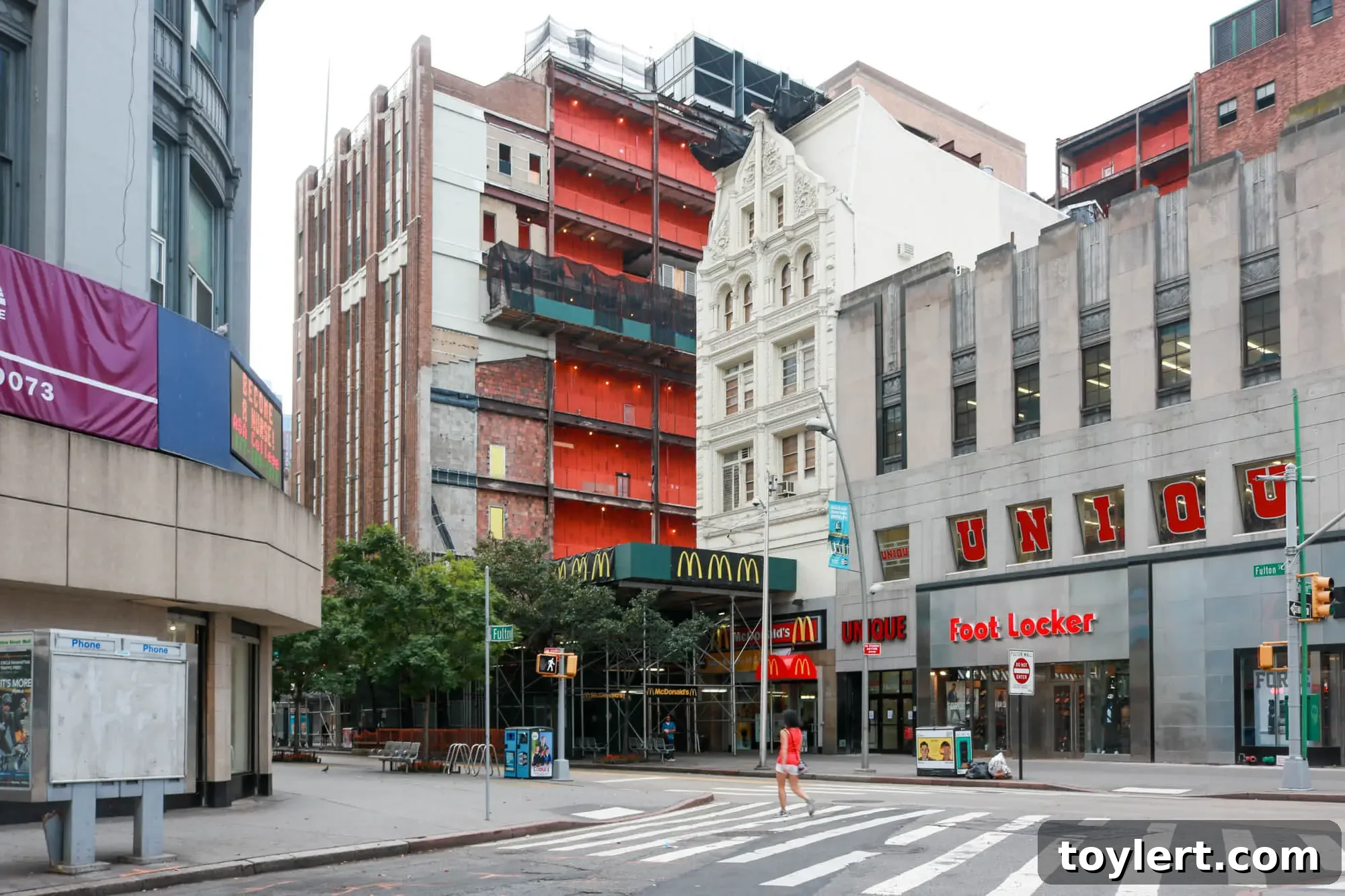
Downtown Brooklyn is a district constantly evolving, a vibrant hub where history gracefully intersects with relentless progress. Few transformations encapsulate this dynamic spirit quite like the ongoing redevelopment of the iconic Macy’s building at 418 Fulton Street. Recently, a stroll through the bustling Fulton Mall unveiled a striking change: the familiar, distinctive green mansard roof, a defining feature of the historic cast-iron structure, has temporarily disappeared, signaling a new chapter for this cherished landmark.
This isn’t merely a renovation; it’s a profound architectural and urban reimagining. The venerable 1870s building, a stunning example of Second Empire-style architecture with its intricate cast-iron facade, is being meticulously integrated into a sleek, modern 10-story office tower. This ambitious project, spearheaded by developer Tishman Speyer, represents a significant investment of $279 million, reshaping not just a single building but the very skyline and economic landscape of Downtown Brooklyn.
For many New Yorkers and especially Brooklyn residents, the Macy’s building has long been more than just a department store; it’s a fixture, a meeting point, and a symbol of the borough’s enduring commercial vitality. Its temporary alteration has naturally sparked curiosity and conversation, prompting questions about the fate of its historical integrity. However, assurances from the developer confirm that the removal of the historic cast-iron facade is indeed temporary, part of a careful preservation effort to restore and reincorporate these invaluable architectural elements into the new design.
A Legacy Forged in Cast Iron: The Historic 418 Fulton Street Building
To fully appreciate the scope of this redevelopment, one must understand the rich history of 418 Fulton Street. Constructed in the 1870s, this building is a magnificent testament to the Second Empire architectural style, characterized by its elaborate ornamentation, mansard roof, and robust cast-iron construction. Cast-iron facades were a marvel of 19th-century engineering and design, allowing for grand, expansive windows and ornate details that would have been cost-prohibitive with traditional stone masonry. The building’s distinct green mansard roof, until recently, stood as a beacon on Fulton Street, a visual anchor in a rapidly modernizing district.
Throughout its history, the structure has housed various commercial enterprises, culminating in its long tenure as one of Macy’s flagship stores. It has witnessed countless changes in Brooklyn, adapting to economic shifts and evolving consumer demands while retaining its unique architectural character. This deep-rooted history is precisely why the preservation of its facade is a critical component of the current redevelopment. The building isn’t just a container for commerce; it’s a historical artifact, a piece of Brooklyn’s heritage that connects the present to its past.
Tishman Speyer’s Vision: Blending Past and Future Architecture
The decision to integrate the historic structure with a contemporary 10-story office tower speaks volumes about Tishman Speyer’s vision. It’s a bold architectural statement that seeks to honor the past while embracing the future. The new tower, characterized by its glassy, modern aesthetic, will rise majestically above the meticulously preserved lower floors of the original building, creating a striking visual dialogue between two distinct eras of design.
This type of mixed-use development, combining retail, office, and often residential spaces, is a hallmark of modern urban planning. It aims to create vibrant, self-sustaining environments that foster economic activity around the clock. For 418 Fulton Street, the project seeks to transform the property into a dynamic hub, attracting new businesses and talent to Downtown Brooklyn while maintaining a significant retail presence for Macy’s.
The $279 million investment underscores the scale and ambition of this project. It signifies a long-term commitment to Downtown Brooklyn’s growth and its potential as a prime commercial and residential destination. The intricate planning involved ensures that while new forms emerge, the essence of what made the building historically significant is not lost but rather celebrated and given a new lease on life.
The Art of Preservation: Safeguarding the Cast-Iron Facade
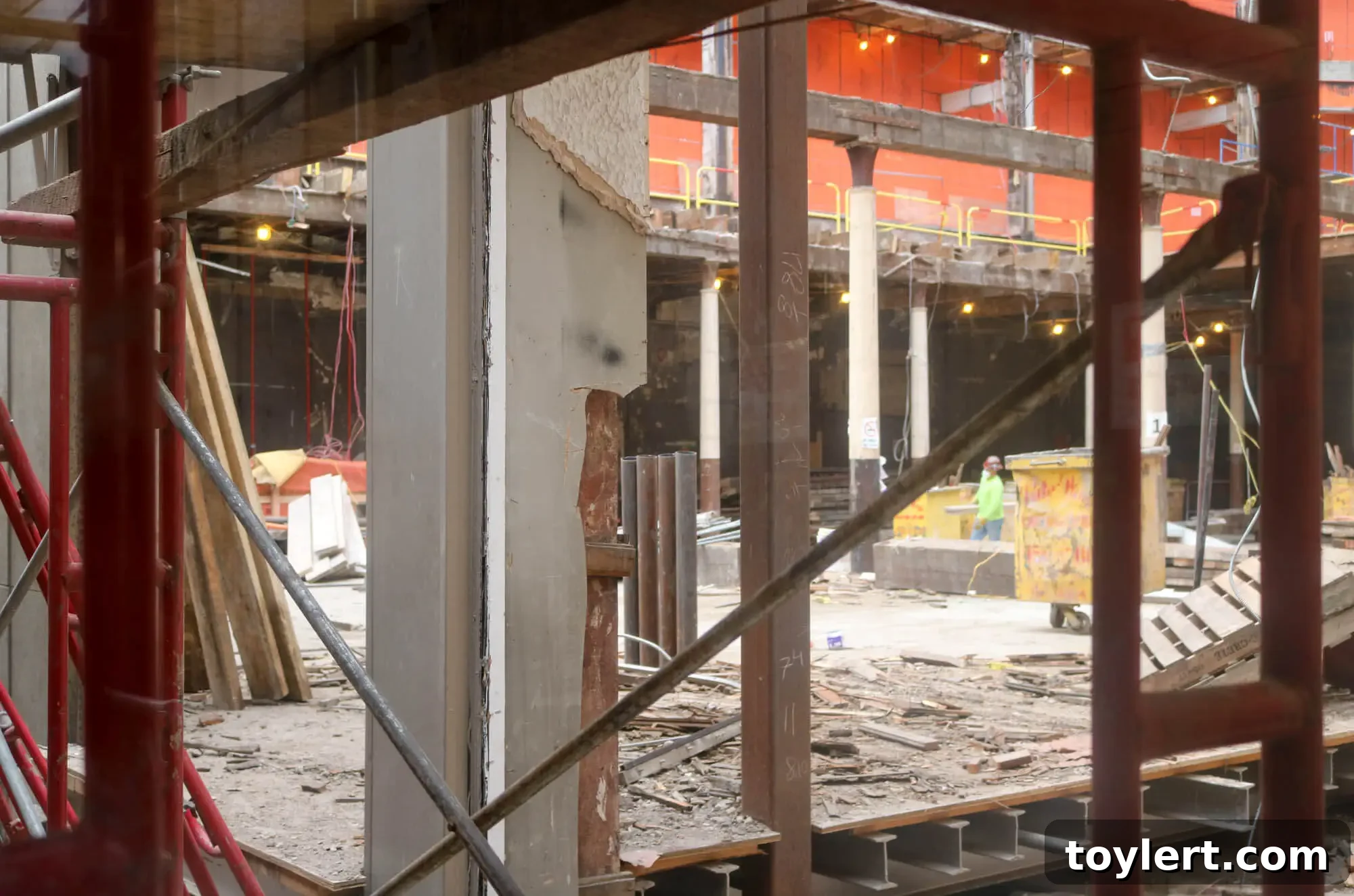
The temporary removal of the historic cast-iron facade is perhaps the most intriguing aspect of this redevelopment. Far from being a demolition, it’s a testament to the developer’s commitment to architectural preservation. Removing such an intricate and aged structure is a highly specialized and delicate process, often involving dismantling the facade piece by piece, cataloging each component, and transporting them to a dedicated facility for restoration.
During this meticulous restoration phase, experts will clean, repair, and reinforce the cast-iron elements, addressing decades of wear and tear, corrosion, and structural fatigue. Missing pieces might be recast, and the entire facade will be prepared for reinstallation, ensuring its longevity for generations to come. This approach allows for a thorough and precise restoration that would be impossible if the facade remained in place during the construction of the new tower.
Upon completion of the new structural work, the restored facade will be carefully reassembled and integrated back into the building, becoming the base of the modern office tower. This “facade-retention” or “facadism” technique, when executed thoughtfully, allows for the creation of new interior spaces and modern building systems while preserving the external historical character that contributes so much to an urban environment. It’s a sophisticated dance between old and new, ensuring that the visual heritage of Fulton Street remains intact.
Downtown Brooklyn’s Continuous Ascent: A Broader Context
The Macy’s redevelopment is not an isolated incident but rather a prominent example of Downtown Brooklyn’s sustained growth and transformation over the past two decades. Once primarily a commercial and governmental hub, the district has blossomed into a vibrant mixed-use neighborhood, attracting residents, businesses, and cultural institutions alike.
The area surrounding Fulton Mall, in particular, has seen a surge in investment, with numerous new residential towers, retail spaces, and public realm improvements. This influx has brought increased foot traffic, enhanced amenities, and a palpable sense of urban energy. The revitalization efforts aim to create a dynamic streetscape, making the district more pedestrian-friendly and economically robust. The Macy’s project, with its blend of retail and modern office space, is perfectly aligned with this broader vision, contributing to Downtown Brooklyn’s reputation as a prime destination for living, working, and shopping.
Macy’s in a New Era: Adapting to the Modern Retail Landscape
For Macy’s, this redevelopment also signifies an adaptation to the evolving retail landscape. In an age dominated by e-commerce, brick-and-mortar stores must offer more than just products; they must provide an experience. By integrating its retail operations within a modern mixed-use complex, Macy’s can enhance its customer experience, potentially offering a more curated shopping environment and leveraging the increased foot traffic from the new office occupants and surrounding residents.
The repositioning of this flagship store within a revitalized structure reflects a strategic move to maintain relevance and appeal in a highly competitive market. It demonstrates a commitment to its physical presence in Brooklyn while embracing the opportunities presented by a modern, integrated development. This could lead to a more efficient store layout, updated amenities, and an overall enhanced shopping journey for its loyal customer base.
A Symbol of Progress: Balancing Heritage with Innovation
Ultimately, the redevelopment of Macy’s at 418 Fulton Street stands as a powerful symbol of Brooklyn’s ongoing progress. It represents the intricate challenge and immense potential of urban revitalization – the delicate balance between honoring a rich historical past and aggressively pursuing a dynamic future. By preserving the beautiful Second Empire cast-iron facade while constructing a cutting-edge office tower above it, the project exemplifies thoughtful urban development.
This initiative promises not only to invigorate an essential commercial cornerstone of Downtown Brooklyn but also to set a precedent for how historic structures can be seamlessly integrated into modern architectural narratives. As the project continues towards its completion, the return of the meticulously restored facade and the unveiling of the new tower will undoubtedly mark a pivotal moment for Fulton Street and the entire borough, celebrating Brooklyn’s continuous journey of transformation and renewal.