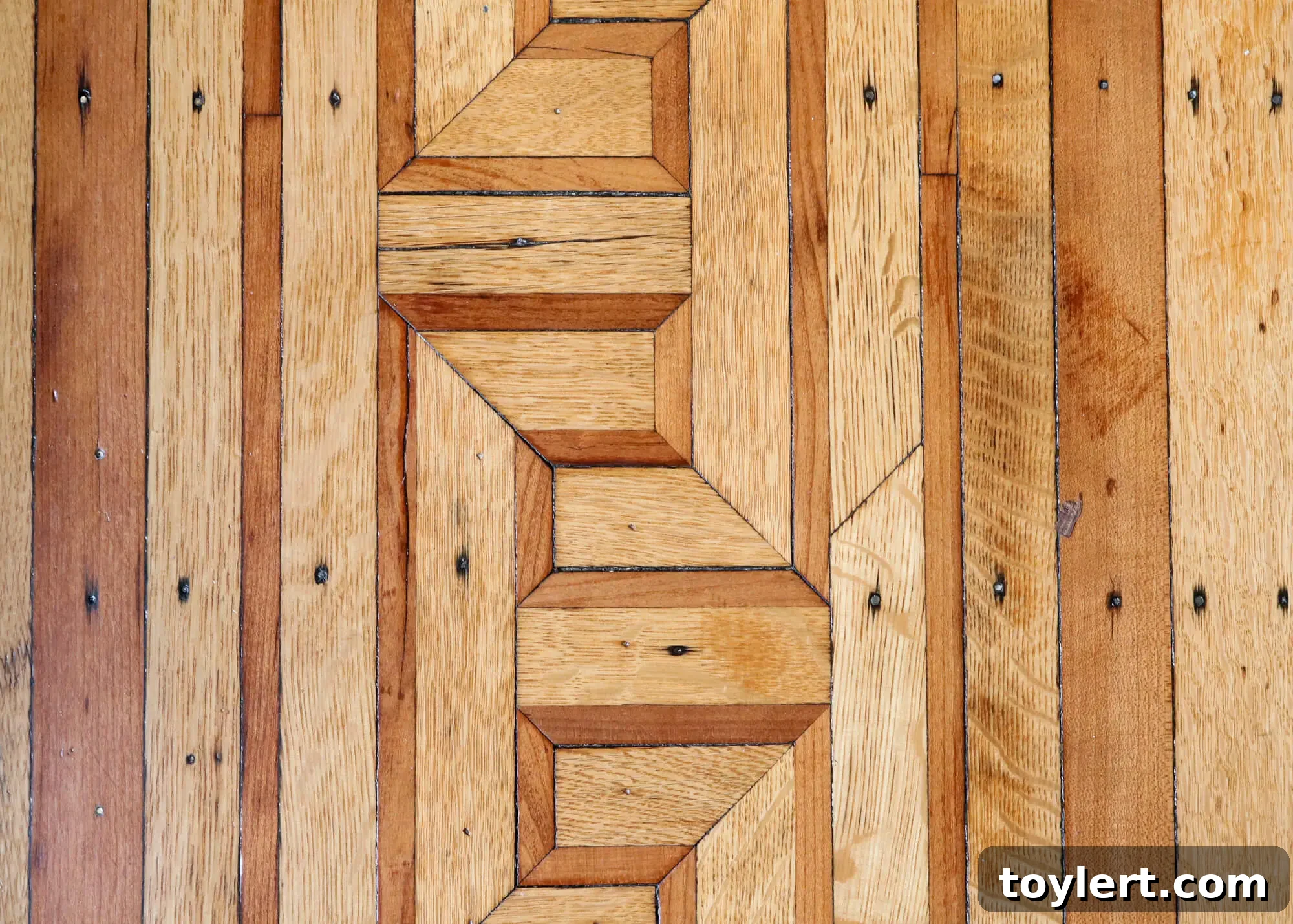
Maintaining the Elegance: Expert Advice for Pale, Durable Wood Floors with a Low Sheen
The timeless appeal of pale wood floors is undeniable. They bring an airy, expansive feel to any space, reflecting light beautifully and offering a serene backdrop for various interior design styles. From Scandinavian minimalist aesthetics to bright, modern farmhouse charm, pale wood floors are a favored choice for homeowners seeking a fresh and contemporary look. However, as many discover after a few years, maintaining their pristine appearance, especially with a desired low sheen, can present unique challenges. It’s a common dilemma: how to preserve that delicate, light finish while ensuring the floor stands up to daily life without developing a “rough” look.
For those who adore the subtle beauty of their pale wood floors but are noticing the inevitable signs of wear and tear after three years, and who specifically wish to avoid a high-gloss finish, this guide offers comprehensive advice. We’ll explore the best products, maintenance strategies, and long-term solutions to keep your low-sheen, pale wood floors in optimal condition, blending durability with understated elegance.
The Allure and Vulnerability of Pale Wood Floors
Pale wood floors, often achieved through lighter wood species like white oak, maple, or ash, or through bleaching, liming, or pickling techniques on darker woods, offer a sophisticated foundation. Their popularity stems from several key benefits:
- Light Enhancement: They make rooms feel larger and brighter by maximizing natural light.
- Versatility: They serve as a neutral canvas, complementing a wide range of furniture colors and decor themes.
- Modern Aesthetic: They align perfectly with contemporary design trends that favor openness and natural textures.
Despite their aesthetic advantages, pale floors with a low-sheen finish can visually highlight imperfections more readily than darker, glossy counterparts. Scratches, scuffs, and even general dirt can appear more prominent against a light, matte background. Moreover, the very nature of a low-sheen finish, which often means a thinner top coat or a finish designed to penetrate rather than sit thickly on the surface, can sometimes be perceived as less protective if not chosen carefully.
Understanding Low-Sheen Finishes: Matte, Satin, and Beyond
The preference for a low-sheen finish is often driven by a desire for a more natural, organic look. A matte or satin finish minimizes reflection, allowing the natural grain and texture of the wood to take center stage. This choice is crucial because the type of finish significantly impacts both the floor’s appearance and its resistance to wear.
- Matte Finish: Offers the least amount of shine, closely mimicking raw wood. It’s excellent for concealing minor imperfections but can sometimes feel less “slick” or easy to clean if not formulated correctly.
- Satin Finish: A happy medium, offering a subtle glow without the mirror-like reflection of a gloss finish. It’s often considered the most practical choice for many homes, balancing aesthetics with maintenance.
The challenge is finding a product that delivers this desired low sheen while providing robust protection against the rigors of daily life. The good news is that advancements in floor finishing technology offer several excellent options.
Product Spotlight: Durable Finishes for Pale Wood Floors
When seeking a durable, low-sheen finish for pale wood floors, several product categories stand out. Each has its own set of characteristics regarding durability, aesthetic impact, and maintenance requirements.
1. Water-Based Polyurethane (Matte or Satin)
Water-based polyurethanes are an excellent choice for maintaining the pale aesthetic of your floors. Unlike oil-based polyurethanes, they are typically clear and non-yellowing, meaning they won’t add an amber tint to your light wood over time. They are also lower in VOCs (volatile organic compounds), making them a more environmentally friendly and user-friendly option with less odor and faster drying times.
- Pros:
- Non-yellowing, preserving the true pale color.
- Low VOCs and minimal odor.
- Faster drying times, allowing for quicker re-entry.
- Good scratch and abrasion resistance, especially high-quality, commercial-grade versions.
- Available in various sheens, including ultra-matte and satin.
- Cons:
- Can sometimes be slightly less durable than oil-based poly in its initial application, though modern formulations are closing this gap significantly.
- Requires careful application to avoid lap marks.
Recommendation: Look for professional-grade, two-component water-based polyurethanes (where a hardener is mixed in before application). These offer superior durability and scratch resistance. Brands often have specific lines designed for high-traffic residential or even commercial use that will provide the longevity you need.
2. Hardwax Oils and Penetrating Oils
Hardwax oils and penetrating oils have gained immense popularity for their ability to provide a deeply natural, matte finish that feels incredibly authentic underfoot. Instead of forming a film on top of the wood like polyurethane, these oils penetrate the wood fibers, hardening them from within and offering protection while allowing the wood to breathe and retain its natural texture.
- Pros:
- Creates a beautiful, incredibly natural-looking matte finish.
- Easy to spot repair; damaged areas can be cleaned and re-oiled without refinishing the entire floor.
- Can be refreshed by re-oiling without full sanding.
- Environmentally friendly options with low VOCs.
- Highly resistant to spills and common household chemicals if maintained properly.
- Cons:
- Requires more frequent maintenance (re-oiling) compared to polyurethane, typically every 1-5 years depending on traffic.
- Initial application can be more labor-intensive than poly.
- Can be more susceptible to standing water damage if left for extended periods.
- Higher upfront cost for some premium brands.
Recommendation: Hardwax oils are particularly excellent for pale floors as they enhance the wood’s natural grain without adding a plastic-like film. They are also forgiving for wear and tear, as localized damage can be repaired without a full refinish. This makes them a strong contender for maintaining a floor that “looks a bit rough” in specific areas.
3. Oil-Modified Polyurethane (Satin) – *Use with Caution for Pale Floors*
While historically known for their extreme durability, traditional oil-modified polyurethanes are often not the best choice for *maintaining* a pale aesthetic. They tend to impart an amber or yellow hue to the wood over time, which will diminish the light, pale appearance you desire.
- Pros:
- Extremely durable and long-lasting finish.
- Affordable.
- Cons:
- Significantly yellows or ‘ambers’ over time, changing the pale color of the wood.
- Higher VOCs and strong odor during application.
- Longer drying and curing times.
- Difficult to spot repair.
Recommendation: Generally advise against for truly pale floors unless you are aiming for a warmer, richer tone over time. If considering, always test a sample first to understand the color change.
Proactive Maintenance: The Key to Longevity
No matter how durable your chosen finish, proper ongoing maintenance is critical for keeping your pale, low-sheen floors in optimal condition and preventing them from looking “rough.”
Daily and Weekly Care:
- Regular Dusting/Vacuuming: Use a soft-bristle broom or a vacuum cleaner with a hard floor attachment. Sand, grit, and dirt are the enemies of any floor finish, acting like sandpaper.
- Damp Mopping: Use a flat-head mop with a microfiber pad slightly dampened with a pH-neutral wood floor cleaner. Avoid excessive water, which can damage wood and finishes. Never use steam mops on wood floors, as the heat and moisture can cause irreversible damage.
- Immediate Spill Cleanup: Wipe up spills promptly to prevent water spots or stains, especially with oil finishes.
Preventative Measures:
- Use Entry Mats and Rugs: Place mats at all exterior doors to trap dirt and moisture before it reaches your wood floors. Use area rugs in high-traffic zones like living areas and hallways to protect the finish from concentrated wear.
- Furniture Protectors: Attach felt pads to the legs of all furniture (chairs, tables, sofas, cabinets) to prevent scratches and dents when moving items. Regularly check and replace worn pads.
- Pet Care: Keep pet nails trimmed to minimize scratches.
- Shoe Policy: Consider a “no shoes in the house” policy to significantly reduce the introduction of dirt and abrasive particles. High heels and athletic shoes can also be damaging.
- Humidity Control: Maintain consistent indoor humidity levels (ideally between 35-55%) to prevent wood from expanding, contracting, or cracking.
- Sunlight Protection: Use blinds, curtains, or UV-filtering window films to protect floors from direct sunlight, which can cause fading or color changes over time, especially with pale finishes.
Addressing Wear and Tear: Refinishing Options
Even with diligent maintenance, wood floors will eventually show signs of age. When your floors start looking “a bit rough” after three years, it’s time to assess whether a full refinish is needed or if a simpler rejuvenation process will suffice.
1. Screening and Recoating (Buffing and Coating)
If the wear is primarily confined to the top layer of the finish and hasn’t penetrated the wood itself (i.e., no deep scratches or bare wood spots), screening and recoating might be an ideal solution. This process involves lightly abrading (screening or buffing) the existing finish to create a surface for a new coat of finish to adhere to, followed by the application of one or two fresh coats of finish.
- When to Consider: The finish appears dull, has minor surface scratches, or shows general wear, but is still largely intact. This is often an excellent intermediate step for floors that are 3-7 years old.
- Benefits: Less invasive, faster, less costly than a full refinish, and generates less dust.
- Important Note: Ensure the new finish product is compatible with the existing finish. For pale floors, stick with a non-yellowing, water-based polyurethane or the same hardwax oil if that was the original finish.
2. Full Sanding and Refinishing
If the damage is extensive—deep scratches, gouges, water stains, areas where the finish has worn through to the bare wood, or if you want to change the color of the wood itself—a full sand and refinish is necessary.
- When to Consider: Significant wear, deep damage, or when you want to change the color/stain of the wood or apply a completely different type of finish.
- Process: Involves sanding down to the bare wood, staining (if desired), and then applying multiple coats of your chosen finish.
- Benefits: Restores the floor to a “like-new” condition, offering a fresh start.
- Consideration for Pale Floors: This is the opportunity to ensure the wood is prepared and finished with products that maintain or achieve the desired pale, non-yellowing aesthetic. This is where choosing a high-quality water-based polyurethane or hardwax oil is paramount.
3. Spot Repair (Especially for Hardwax Oils)
One of the significant advantages of hardwax oil finishes is the ability to spot repair. If a specific area is scuffed, scratched, or has a minor stain, it can often be cleaned, lightly abraded (if necessary), and then re-oiled without affecting the surrounding areas or requiring a full re-coating.
- When to Consider: Isolated damage on hardwax oil finished floors.
- Benefits: Highly convenient, cost-effective, and minimally disruptive.
DIY or Professional?
For screening and recoating, an experienced DIYer might undertake the project, especially with simpler water-based polyurethanes or hardwax oils. However, achieving a perfectly smooth, streak-free finish requires skill and proper equipment.
For a full sand and refinish, it is almost always recommended to hire a qualified professional. Floor sanding is an art form that requires specialized equipment and expertise to avoid damaging the wood, creating uneven surfaces, or leaving swirl marks. A professional will also have access to higher-grade products and application techniques that ensure a superior, long-lasting result for your pale wood floors.
Final Thoughts and Recommendations
Keeping pale wood floors with a low sheen in optimal condition requires a combination of the right product choices, diligent maintenance, and timely intervention when wear becomes apparent. Based on your desire for a pale, durable finish without high sheen, consider these key takeaways:
- For Refinishing or New Application: Prioritize high-quality, professional-grade water-based polyurethanes (especially two-component systems) or hardwax oils. These are best for preserving the pale tone and offering durable, low-sheen protection.
- For Existing Floors Showing Wear: Assess the depth of wear. If superficial, a screening and recoating with a compatible water-based finish might be enough. If deep, a full sand and refinish will be necessary to restore the floor.
- Maintenance is Non-Negotiable: Implement a strict cleaning regimen and preventative measures (mats, pads, etc.) to significantly extend the life and beauty of your floors.
With the right approach, your pale wood floors can remain a stunning, durable, and understated feature of your home for many years to come, reflecting your refined taste without showing the rough edges of daily life.