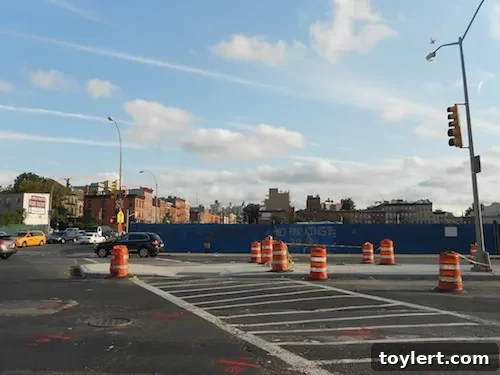
Brooklyn, a borough celebrated for its dynamic neighborhoods and vibrant street life, continues to evolve with strategic urban improvements designed to enhance safety, accessibility, and community well-being. This past summer marked a significant period for the Department of Transportation (DOT) in Brooklyn, as several key projects reached completion, fundamentally reshaping various public spaces. These enhancements underscore a broader commitment to fostering a more pedestrian-friendly and livable urban environment. Among the most anticipated contributions was the successful completion of the pedestrian median at the bustling intersection of Vanderbilt and Atlantic avenues, a crucial development for one of Brooklyn’s most heavily trafficked corridors. This initiative, alongside the thoughtful addition of new public seating in multiple locations, represents a concerted effort to create more welcoming and functional urban landscapes for residents and visitors alike.
The intersection of Vanderbilt and Atlantic avenues has long been a critical point in Brooklyn’s transportation network. Atlantic Avenue, historically a major artery, experiences substantial vehicular traffic, while Vanderbilt Avenue serves as a key north-south connector, linking diverse neighborhoods such as Prospect Heights and Fort Greene. Prior to the installation of the pedestrian median, navigating this intersection presented considerable challenges for pedestrians. The wide expanse of the roadway, combined with high traffic volumes, often made crossing daunting and potentially hazardous. Pedestrians frequently faced long waiting times, and the absence of a designated refuge in the middle of the street meant crossing in a single, often rushed, movement. This scenario not only compromised safety but also contributed to a less enjoyable and accessible urban experience for those traveling on foot, hindering connectivity between adjacent residential and commercial zones.
The completion of the pedestrian median at Vanderbilt and Atlantic avenues is a transformative improvement that addresses these long-standing concerns head-on. This thoughtfully designed median now serves as a vital refuge for pedestrians, allowing them to cross the busy intersection in two safer, shorter stages. By providing a secure waiting area mid-street, the median significantly reduces the perceived and actual risk for individuals, especially children, the elderly, and those with mobility challenges. Beyond its primary safety function, the median also contributes to traffic calming. Its physical presence on the roadway acts as a visual cue for drivers, encouraging reduced speeds and increased awareness of pedestrians. This structured intervention helps to normalize pedestrian presence, integrate walkers more smoothly into the urban flow, and paves the way for potential aesthetic enhancements like green infrastructure, further beautifying the streetscape and contributing to Brooklyn’s environmental resilience. This project aligns perfectly with New York City’s Vision Zero initiative, aiming to eliminate traffic fatalities and serious injuries on city streets by prioritizing pedestrian safety.
The positive ripple effects of this pedestrian median extend far beyond immediate safety improvements. For the vibrant communities of Prospect Heights and Fort Greene, it fosters greater walkability and strengthens neighborhood cohesion. Residents now find it easier and more comfortable to access local businesses, parks, and public transportation on both sides of Atlantic Avenue, encouraging local commerce and community engagement. Businesses along these corridors are likely to benefit from increased foot traffic, as a more pedestrian-friendly environment invites people to linger, explore, and support local shops and eateries. This single intervention exemplifies how strategic urban planning, even through seemingly modest projects, can profoundly impact the daily lives of thousands, making Brooklyn’s streets more welcoming, more efficient, and ultimately, more enjoyable for everyone who uses them. It transforms a challenging thoroughfare into a more integrated, human-scaled public space.
Beyond the structural improvements at major intersections, the DOT’s recent contributions also focused on enhancing the everyday pedestrian experience through the strategic placement of public seating. Benches in urban environments are far more than mere resting spots; they are essential components of a healthy public realm. They invite people to pause, observe, and connect with their surroundings, transforming transient spaces into places for community gathering and contemplation. Public benches enhance accessibility for seniors, parents with young children, and individuals with disabilities, providing necessary rest points along longer journeys. They contribute to a sense of comfort and hospitality, encouraging residents to spend more time outdoors, fostering social interaction, and making neighborhoods feel more inviting and livable. These simple additions play a critical role in supporting the social fabric of a community, turning sidewalks into vibrant extensions of public life.
One of the notable locations to receive new seating is the corner of Vanderbilt Avenue and Fulton Street. This intersection serves as a bustling hub, characterized by a lively mix of residential buildings, local businesses, and cultural institutions. It’s a point where daily commutes converge with casual strolls, and the availability of benches here is a welcome amenity. For shoppers taking a break, commuters waiting for a bus, or friends meeting up, these benches provide a much-needed respite from the urban hustle. They enhance the pedestrian environment along this active commercial corridor, encouraging people to relax and enjoy the street life. By offering comfortable spots to sit, these benches subtly promote local patronage and foster a more leisurely pace, enriching the experience for those navigating one of Brooklyn’s most dynamic districts. This thoughtful placement supports the everyday rhythm of neighborhood life.
Another significant spot where new benches have been installed is Washington Avenue and Prospect Place. This area benefits from its close proximity to some of Brooklyn’s most cherished green spaces, including the iconic Prospect Park and the Brooklyn Botanic Garden. The addition of benches here caters specifically to those seeking leisure and recreation, providing convenient resting points for park-goers, visitors to the gardens, and residents enjoying a stroll in this picturesque neighborhood. After a long walk through Prospect Park or an enriching visit to the Botanic Garden, these benches offer a perfect place to recuperate, enjoy the fresh air, or simply watch the world go by. They enhance the overall experience of accessing and utilizing these invaluable natural assets, reinforcing the connection between urban infrastructure and the borough’s verdant spaces. This demonstrates a holistic approach to urban planning, linking active transit with recreational opportunities.
The thoughtful distribution of public seating also extended to Kingston Avenue, a vibrant and culturally rich thoroughfare in Crown Heights. This avenue is known for its distinctive community character, bustling activity, and a strong sense of local identity. Benches along Kingston Avenue serve a vital purpose, offering residents and visitors a place to rest during their errands, to socialize with neighbors, or to simply observe the lively street scene. In a neighborhood where community interaction is paramount, these benches act as informal gathering points, strengthening social ties and fostering a sense of belonging. They support the unique rhythms of Crown Heights life, making public spaces more accommodating and encouraging residents to engage more deeply with their immediate surroundings. Such additions reflect a nuanced understanding of specific neighborhood needs.
Adding to these officially announced sites, community feedback quickly highlighted even more new public amenities. An attentive commenter from the neighborhood observed and reported new benches thoughtfully placed on St. Marks Avenue and Vanderbilt Avenue, specifically in front of the community garden. This detail is particularly significant as it underscores the powerful synergy between public seating and local green initiatives. Benches adjacent to a community garden not only provide a peaceful spot for gardeners to rest after their labor but also invite passersby to pause, appreciate the beauty of the garden, and connect with nature amidst the urban landscape. This type of grassroots integration of public infrastructure amplifies the benefits of community-led green spaces, making them more accessible and enjoyable for a broader segment of the population. It’s a testament to the ongoing partnership between city agencies and engaged citizens in shaping Brooklyn’s public realm.
To celebrate these welcome additions, particularly the new benches along Washington Avenue, a fun video was posted, capturing the positive spirit and community excitement surrounding these improvements. Such digital outreach serves as an excellent way to disseminate information, showcase the impact of urban projects, and encourage broader community engagement. These videos not only highlight the tangible benefits but also foster a sense of collective pride and shared ownership in Brooklyn’s evolving streetscapes. They also prompt further community interaction, as evidenced by calls for residents to report any other new bench sites that might be missing from the initial announcements. This continuous dialogue between the DOT and the public is crucial for identifying needs and ensuring that urban improvements truly serve the people they are intended for, making the planning process more responsive and inclusive.
While celebrating these positive developments, it’s also important to acknowledge the ongoing urban challenges, such as the massive water main construction project over at Washington and Atlantic avenues. While disruptive in the short term, such extensive infrastructure upgrades are absolutely vital for maintaining the health and resilience of the city’s foundational systems. Water main replacements, though often leading to temporary inconvenience with road closures and noise, are crucial for ensuring a reliable supply of clean water, preventing costly leaks, and updating aging infrastructure for future generations. These projects, though less immediately visible than a new pedestrian median or bench, are foundational to a functioning modern city. The patient completion of such necessary work ultimately contributes to Brooklyn’s long-term sustainability and quality of life, ensuring that the borough continues to thrive with robust and modernized utilities.
In summation, the recent contributions from the Department of Transportation across Brooklyn highlight a proactive and thoughtful approach to urban development. From enhancing pedestrian safety at complex intersections to strategically placing public seating in various neighborhoods, these projects reflect a holistic vision for a more accessible, enjoyable, and safe urban environment. They exemplify how targeted interventions can create significant positive impacts on daily life, fostering stronger communities and improving the overall quality of public spaces. These enhancements reinforce Brooklyn’s reputation as a leader in innovative urban design, where the needs of pedestrians and community members are consistently prioritized. The ongoing dialogue between city agencies and its residents ensures that Brooklyn continues to evolve as a vibrant, inclusive, and highly livable borough for all its inhabitants, now and into the future.