Unearthing Brooklyn’s Vibrant LGBTQ+ Past: The “On the (Queer) Waterfront” Exhibition
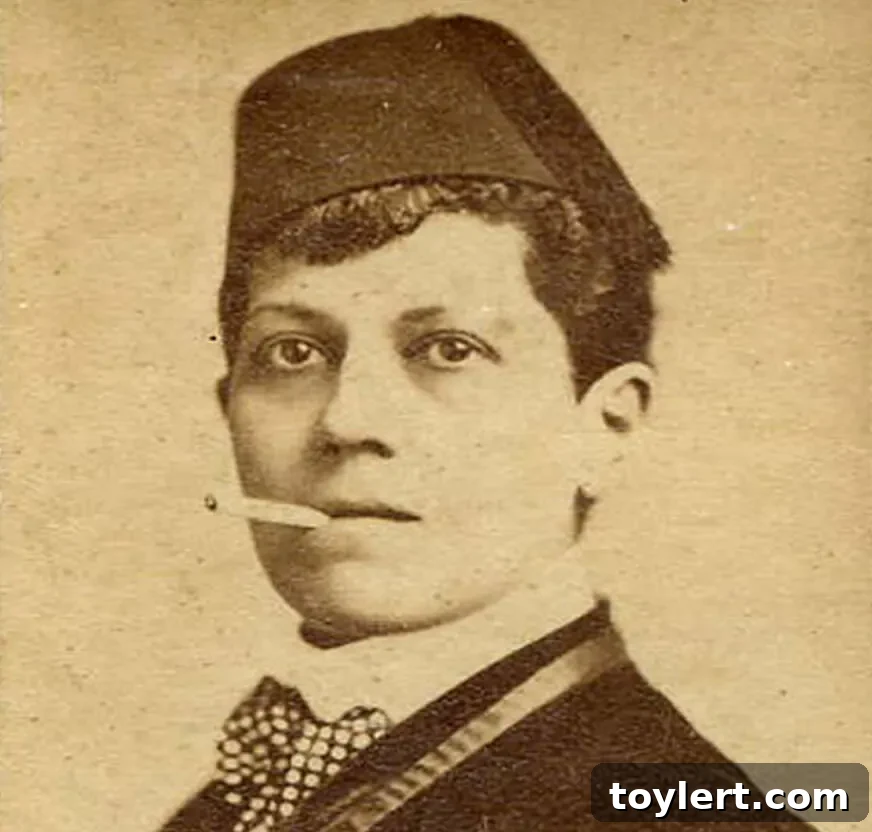
As the world commemorates the momentous 50th anniversary of the Stonewall riots, a pivotal moment in the fight for LGBTQ+ rights, the Brooklyn Historical Society embarks on a profound journey to illuminate an often-overlooked chapter of the borough’s rich history. Their groundbreaking exhibition, titled “On the (Queer) Waterfront,” delves into the compelling narratives of LGBTQ+ communities that flourished along Brooklyn’s bustling waterfront from the 19th century right through the tumultuous years leading up to and including World War II. This timely and essential exhibit aims to shed light on the resilience, creativity, and vibrant lives of queer individuals who found a unique sanctuary and a sense of belonging in these dynamic maritime neighborhoods.
The exhibition’s central thesis skillfully employs the theme of “work” as a powerful lens through which to explore the intricate lives that queer individuals meticulously crafted for themselves within Brooklyn. Far from being a mere backdrop, the waterfront provided an unparalleled landscape of opportunity, offering not only employment but also the invaluable gifts of inexpensive housing and a certain degree of anonymity that was often unattainable in more rigidly structured parts of society. This unique environment attracted a diverse tapestry of individuals – including intrepid artists, captivating entertainers, resilient sex workers, transient sailors, and diligent factory workers – all seeking solace, community, and the freedom to express their authentic selves.
Brooklyn’s Waterfront: A Haven for LGBTQ+ Lives from the 19th Century to WWII
Brooklyn’s waterfront during the 19th and early 20th centuries was a pulsating hub of commerce, industry, and transience. Docks teemed with ships from around the globe, warehouses bustled with activity, and a constant flow of people – immigrants, transient workers, and those seeking new beginnings – characterized its vibrant energy. This industrial and maritime landscape, with its ceaseless movement and diverse population, inadvertently created fertile ground for subcultures to emerge and thrive, offering a stark contrast to the often restrictive social norms prevalent in other parts of the city and beyond.
For LGBTQ+ individuals, this environment offered a precious respite. The anonymity afforded by a large, ever-changing population meant that one could often escape the intense scrutiny and judgment of mainstream society. Waterfront neighborhoods, with their bustling taverns, boarding houses, and entertainment venues, became informal meeting places where queer people could connect, form friendships, and even establish chosen families. The demand for labor across various sectors – from loading and unloading ships to working in burgeoning factories and entertaining in local establishments – provided economic independence, a crucial factor in building a life outside conventional expectations.
Lives Forged on the Docks: Diverse Occupations and Identities
The “On the (Queer) Waterfront” exhibition highlights the varied professions that drew queer individuals to Brooklyn’s shores, each offering unique avenues for expression and community:
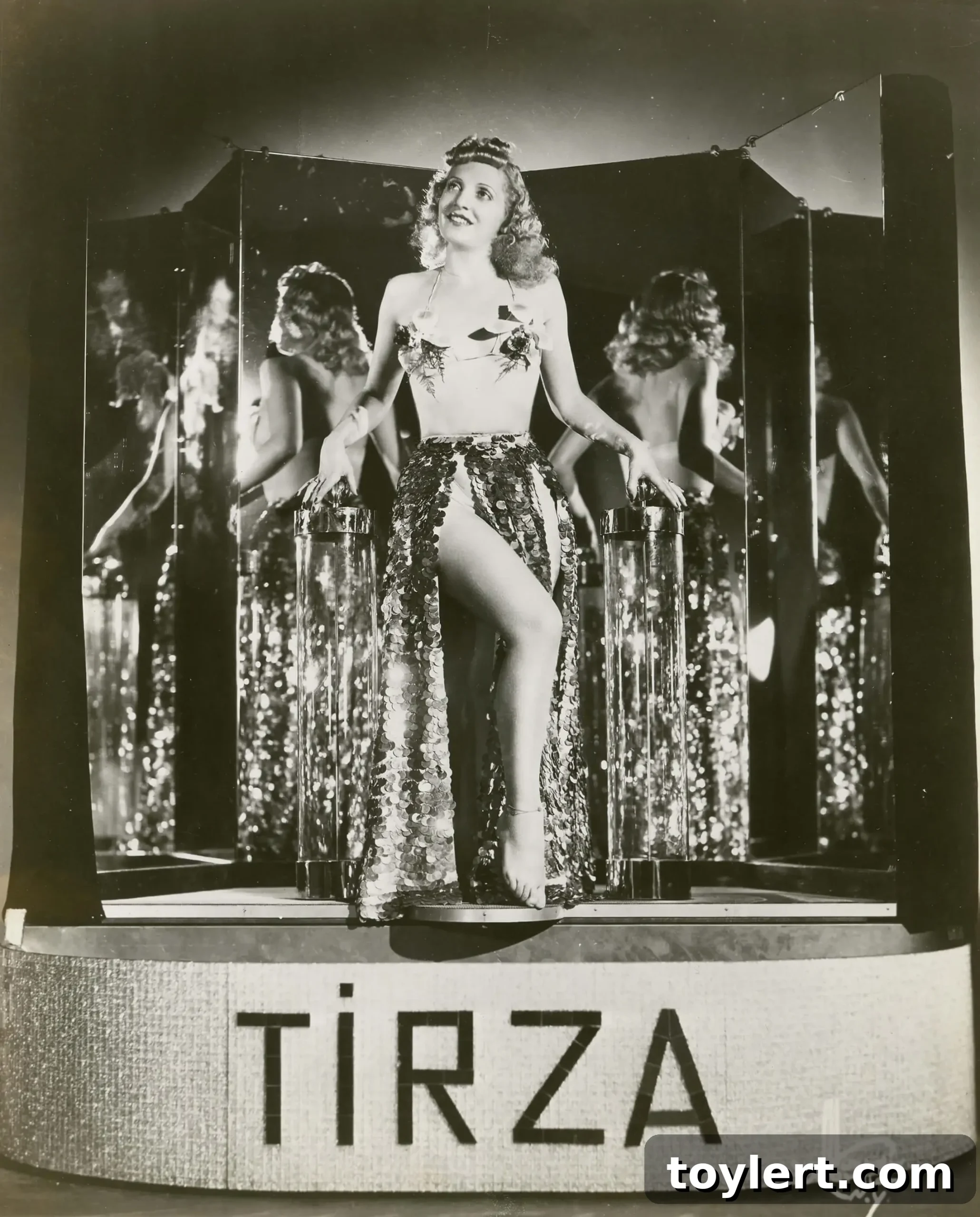
- Artists and Entertainers: The waterfront’s proximity to burgeoning cultural scenes and its own lively entertainment districts provided opportunities for queer artists, musicians, and performers. Vaudeville houses, speakeasies, and local clubs often featured acts that pushed societal boundaries, offering a stage for those who might not have found acceptance elsewhere. Performance became a powerful medium for self-expression and community building, fostering a sense of shared identity among both performers and audiences.
- Sex Workers: For some, sex work was a means of survival in a society that often offered limited economic options for queer individuals. These networks, though often hidden and fraught with danger, also created intricate communities and support systems. The exhibit carefully explores this often-stigmatized profession, recognizing the complex realities and agency of those involved, and the ways in which these individuals carved out lives in challenging circumstances.
- Sailors: The maritime world has historically been a realm where traditional gender roles and sexual norms were fluid due to long periods away from land and mixed crews. Sailors, many of whom were transient and lived lives largely disconnected from conventional societal expectations, often found a sense of camaraderie and freedom on the seas and in port cities like Brooklyn. The waterfront became a crucial nexus where these individuals could connect with local queer communities during their time ashore.
- Factory Workers: The industrial boom in Brooklyn created countless factory jobs, drawing a diverse workforce. These environments, while often demanding, could also offer a different kind of anonymity and the opportunity to interact with a broad spectrum of people, fostering unexpected connections and support networks among queer co-workers.
The exhibition masterfully intertwines these occupational narratives, revealing how shared workplaces and living spaces became crucibles for the formation of vibrant, resilient queer communities. It underscores that for many, work was not just about earning a living; it was integral to shaping their identities, forging social circles, and finding pockets of personal freedom in a world that largely denied them.
Curatorial Excellence and Scholarly Contributions
The “On the (Queer) Waterfront” exhibition is the product of an insightful collaboration, co-curated by acclaimed author Hugh Ryan and distinguished artist and activist Avram Finkelstein. Their combined expertise brings a rich, multi-faceted perspective to this critical historical exploration. Ryan, known for his meticulous research and compelling storytelling, and Finkelstein, with his deep roots in LGBTQ+ activism and artistic expression, have created an exhibit that is both historically rigorous and deeply empathetic.
The opening reception for the exhibition, held on Tuesday, March 5, served as a momentous occasion not only for the exhibit’s debut but also for the launch of Hugh Ryan’s highly anticipated new book, “When Brooklyn Was Queer.” This synchronicity highlights the profound connection between scholarly research and public exhibition, allowing visitors to delve even deeper into the historical context provided by Ryan’s groundbreaking work. The book, which complements the exhibit’s themes, meticulously chronicles the hidden histories of Brooklyn’s queer residents, drawing on extensive archival research and oral histories to paint a vivid picture of a bygone era.
“When Brooklyn Was Queer”: A Literary Companion to the Exhibit
Hugh Ryan’s “When Brooklyn Was Queer” serves as an invaluable literary companion to the “On the (Queer) Waterfront” exhibition, offering readers a comprehensive and deeply researched account of the subject matter. The book meticulously uncovers the lost history of LGBTQ+ life in Brooklyn, extending beyond the waterfront to explore various enclaves and communities throughout the borough. Ryan’s work is celebrated for its ability to bring forgotten figures and narratives to life, relying on primary sources such as personal letters, diaries, police records, and newspaper clippings to reconstruct a vibrant yet often hidden past. The coinciding launch of the book and the exhibition underscores a powerful synergy, where the visual and tangible aspects of the exhibit are enriched by the detailed historical context and rich storytelling found within Ryan’s pages.
Avram Finkelstein’s Activist and Artistic Influence
Avram Finkelstein, a prominent artist and activist, brings his unique perspective to the curatorial team. As a founding member of the influential AIDS activist art collective Gran Fury, Finkelstein’s work has consistently challenged societal norms and advocated for marginalized communities. His experience in using art as a tool for social change is evident in the exhibit’s compelling presentation, which not only documents history but also evokes empathy and encourages reflection on the ongoing struggles and triumphs of the LGBTQ+ community. Finkelstein’s involvement ensures that the exhibition is not merely a static display of the past but a living narrative that resonates with contemporary issues of identity, acceptance, and activism.
Uncovering a Hidden Legacy: The Enduring Significance of Queer Brooklyn History
The “On the (Queer) Waterfront” exhibition bravely tackles what has long been an “unrecognized part of Brooklyn’s story.” For decades, the histories of LGBTQ+ individuals were deliberately erased, suppressed, or simply deemed unworthy of documentation by mainstream institutions. This historical invisibility makes the work of the Brooklyn Historical Society and its curators even more vital. Recovering these narratives is not just about nostalgia; it’s about completing a more honest and inclusive picture of urban life, acknowledging the contributions and experiences of all its inhabitants.
In the context of the 50th anniversary of the Stonewall Inn uprising, this exhibition gains even greater resonance. Stonewall was a flashpoint, but it was built upon decades, even centuries, of quieter resistance, community building, and the persistent carving out of spaces for queer existence. The Brooklyn waterfront, as depicted in the exhibit, represents one such significant space, a precursor to later movements, demonstrating the resilience and ingenuity of LGBTQ+ people long before the modern gay rights movement took hold. By illuminating these foundational histories, the exhibition provides crucial context for understanding the long and arduous journey towards LGBTQ+ liberation.
The Brooklyn Historical Society, through this powerful exhibition, reaffirms its commitment to inclusive storytelling and the preservation of diverse histories. It challenges visitors to reconsider their understanding of urban development, social dynamics, and the hidden currents of identity that have always shaped cities. The exhibit serves as a testament to the enduring human need for community, belonging, and authenticity, and reminds us that the fight for recognition and equality is deeply rooted in a rich, complex, and often overlooked past.
Visitors to “On the (Queer) Waterfront” will leave not only with a deeper appreciation for Brooklyn’s multifaceted past but also with a renewed understanding of the courage and creativity required to live authentically in the face of societal prejudice. This essential exhibition stands as a beacon, celebrating the vibrant legacy of Brooklyn’s queer communities and inspiring future generations to continue the vital work of remembering, understanding, and advocating for a more inclusive world.