Marine Park Residents Fiercely Oppose Proposed Battery Storage Facility Over Acute Safety Fears
By Megan McGibney, Brooklyn Paper
A contentious proposal to construct a large-scale lithium-ion battery energy storage system (BESS) in the heart of Marine Park has ignited a fierce backlash from local residents. The community’s outrage stems from profound concerns regarding the project’s chosen location and the significant safety risks they believe it poses to their densely populated neighborhood. This escalating conflict highlights a growing tension between New York City’s ambitious clean energy goals and the imperative to safeguard local communities.
The intensity of resident frustration became strikingly evident during a heated March 6 town hall meeting, masterfully organized by Community Board 18. What was intended as a forum for discussion quickly transformed into a nearly three-hour marathon of shouting, impassioned heckling, and visceral expressions of fear surrounding the potential dangers of the energy facility. This event underscored the deep-seated anxieties gripping Marine Park, as residents articulated their collective refusal to accept what they perceive as an unacceptable gamble with their safety and well-being.
The Contested Site: Too Close for Comfort on Flatbush Avenue
The proposed battery storage facility is slated for development at 2138-52 Flatbush Avenue, a location that has become the epicenter of the community’s apprehension. The site itself is deeply embedded within a vibrant, mixed-use commercial and residential corridor. Flanked on one side by a popular neighborhood pizzeria, a bustling hub for families and local gatherings, and on the other by a solemn cemetery monument business, the project’s immediate surroundings raise questions about its compatibility with the existing urban fabric. This particular parcel of land, formerly occupied by a lighting store, is now envisioned as the home for an industrial-scale energy installation, a stark contrast to its previous uses.
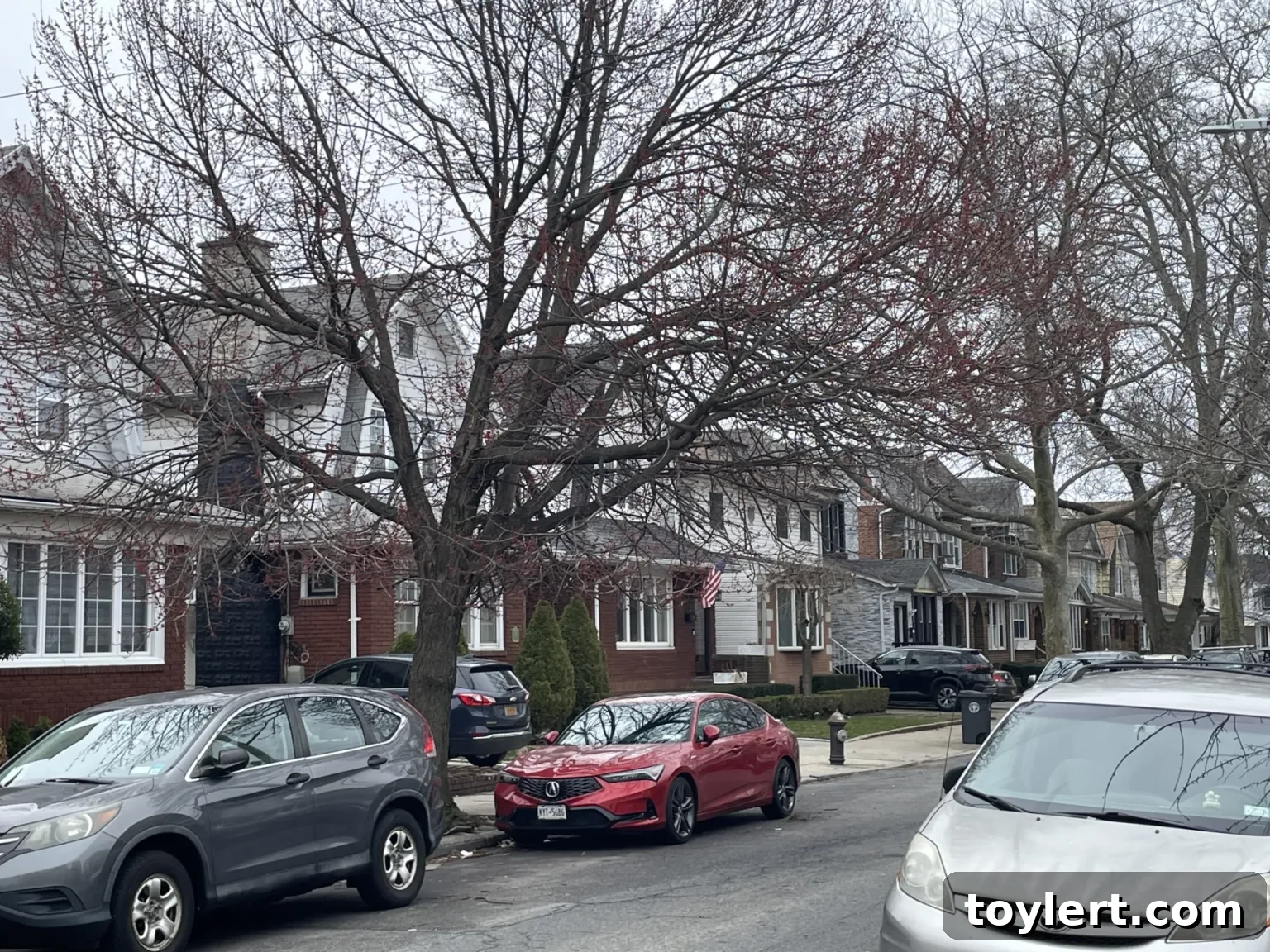
What amplifies the residents’ alarm is the uncomfortably close proximity of their homes to this proposed infrastructure. A continuous row of residential properties, many of them family homes, sit literally mere feet from the back perimeter of the development site. This extreme proximity means that any potential incident at the facility, no matter how small, could directly and immediately impact the lives, safety, and property values of those living closest. For many, the idea of living adjacent to a large bank of lithium-ion batteries—systems known for their energy density and the unique challenges associated with their safety—is an unsettling prospect that feels too risky for a residential setting.
A Community United in Opposition: The Echoes of the Town Hall
The March 6 town hall meeting was not merely a forum for grievances; it was a powerful demonstration of community solidarity and a collective rejection of the proposed battery storage facility. Hundreds of residents packed the venue, their voices often rising in unison to express their profound dissatisfaction. The atmosphere was charged with emotion, as speaker after speaker stepped forward to voice their concerns, citing a litany of potential hazards that far outweighed any perceived benefits. Testimonies included anxieties about the immediate threat of fire and explosion, the long-term health implications of potential toxic fume release, the inevitable devaluation of their homes, and the constant hum of industrial machinery disrupting their peace.
Community Board 18, acting as the host, found itself navigating a tempest of public anger. Board members, while facilitating the discussion, were pressed to address the myriad questions and fears that filled the room. Residents demanded clarity on emergency response protocols, the specifics of safety measures proposed by the developer, and the overall transparency of the approval process. The consensus among attendees was clear: the proposed site was entirely inappropriate for a facility of this nature, and the risks to their families and homes were simply too great to ignore. This meeting served as a crucial rallying point, solidifying the community’s resolve to challenge the project at every turn.
Understanding Lithium-Ion Battery Energy Storage Systems (BESS)
To fully grasp the core of the Marine Park controversy, it’s essential to understand the nature of Lithium-Ion Battery Energy Storage Systems (BESS). These facilities are critical components in modernizing electrical grids and accelerating the transition to renewable energy sources. Essentially, BESS installations store excess electricity generated from sources like solar and wind when production is high and demand is low. This stored energy can then be discharged back into the grid during periods of peak demand or when renewable energy generation dips, thereby enhancing grid stability, reliability, and efficiency. They play a vital role in reducing reliance on fossil fuels and lowering carbon emissions, aligning with New York City’s ambitious climate targets.
From the perspective of developers and energy authorities, projects like the one proposed for Marine Park are indispensable. They represent a significant step towards creating a more resilient and sustainable energy infrastructure for urban environments. By integrating BESS into the local grid, developers argue they are contributing to a greener future for Brooklyn, preventing blackouts, and enabling more widespread adoption of clean energy. However, for residents living in immediate proximity to these facilities, the abstract benefits of grid modernization often take a backseat to very tangible and immediate concerns about safety and quality of life.
The Perceived Perils: Safety Risks and Community Apprehension
The primary driver of the Marine Park residents’ opposition is the inherent safety risks associated with large-scale lithium-ion battery installations. While modern BESS are designed with multiple layers of safety protocols, the potential for catastrophic failure, though statistically low, remains a significant concern, particularly in a dense urban setting. The most frequently cited hazard is “thermal runaway,” a condition where an increase in temperature within a battery cell leads to a self-propagating chain reaction, resulting in intense heat, fire, and potentially explosion. Such fires are notoriously difficult to extinguish, requiring specialized techniques and resources, often involving massive amounts of water and prolonged cooling periods.
Beyond the immediate threat of fire, residents are deeply worried about the release of toxic fumes. Lithium-ion battery fires can produce a cocktail of hazardous gases, including hydrogen fluoride, carbon monoxide, and other volatile organic compounds, which pose severe respiratory and health risks to anyone exposed. The idea of such an event occurring just feet from their homes, schools, and local businesses is a terrifying prospect. Concerns also extend to emergency response capabilities: could local fire departments handle such an incident effectively and contain its impact? Residents question whether existing protocols and resources are truly adequate for a BESS located so close to residential areas, fearing that standard responses might fall short in mitigating a major incident.
Navigating the Regulatory Labyrinth and Oversight Gaps
A significant portion of the community’s frustration is directed at the perceived lack of robust regulatory oversight and transparency in the approval process for such facilities. In New York City, projects of this nature often navigate a complex web of permits and approvals from various agencies, including the NYC Department of Buildings (DOB), the Fire Department of New York (FDNY), and state-level entities like the New York State Energy Research and Development Authority (NYSERDA) or the Public Service Commission. While these agencies have guidelines and codes in place, residents often feel that these regulations don’t adequately address the specific risks of urban-sited BESS projects or that the enforcement is insufficient.
Residents have called for more stringent local zoning laws and setback requirements that would explicitly prohibit such facilities from being located within a certain distance of homes, schools, and hospitals. They argue that current regulations might be too general or fail to account for the unique vulnerabilities of densely populated neighborhoods. There’s a strong demand for greater transparency regarding the safety studies conducted, the mitigation measures proposed by developers, and the emergency preparedness plans. Many feel that community input is often an afterthought in a process dominated by technical experts and corporate interests, leading to a profound sense of disempowerment and mistrust in the regulatory framework.
The Developer’s Vision: Ninedot’s Perspective on Urban Energy
While the original article does not explicitly name the developer, the URL references “Ninedot,” strongly suggesting Ninedot Energy as the entity behind the Marine Park project. From Ninedot’s perspective, this BESS installation is not just a commercial venture but a crucial piece of urban energy infrastructure. Their likely arguments would center on the system’s ability to support New York City’s aggressive clean energy mandates, particularly the goal of achieving 100% clean electricity by 2040. They would emphasize how the facility would enhance grid reliability, integrate more renewable energy into the local power supply, and help reduce peak electricity demands, thereby improving air quality by decreasing the need for older, less efficient fossil fuel peaker plants.
Developers typically assert that their projects comply with or exceed all applicable safety codes and standards, incorporating advanced fire suppression systems, robust containment structures, and continuous remote monitoring to ensure safe operation. They might highlight features such as individual cell monitoring, thermal management systems, and specialized alarms designed to detect and prevent thermal runaway. The selection of 2138-52 Flatbush Avenue would likely be justified by its strategic location near existing electrical infrastructure (like substations), favorable zoning, and sufficient space, making it an optimal site for contributing to local grid stability. For Ninedot, this project represents an investment in a sustainable future for Brooklyn, built on sound engineering and rigorous safety protocols, despite community apprehension.
Broader Implications for Urban Infrastructure and Green Energy Goals
The Marine Park controversy extends far beyond the immediate neighborhood, raising critical questions about the future of urban development and the siting of essential green energy infrastructure. As cities worldwide strive to meet ambitious climate goals, the need for facilities like BESS will only grow. However, this case starkly illustrates the challenge of balancing macro-level environmental objectives with micro-level community impacts. It’s a classic “Not In My Backyard” (NIMBY) scenario, but one where residents articulate genuine and scientifically recognized safety concerns, not just aesthetic objections.
This situation sets a precedent for how similar projects might be received in other densely populated urban areas. It forces a critical examination of whether existing land-use policies and zoning regulations are truly fit for the age of renewable energy transition. The dialogue sparked in Marine Park underscores the necessity for proactive, transparent, and genuinely collaborative planning processes that involve communities from the earliest stages of project conception. Without such engagement, the admirable goals of clean energy integration risk being derailed by legitimate local resistance, creating protracted conflicts and stalling vital progress towards a sustainable future.
Moving Forward: The Path Ahead for Marine Park and Ninedot
The path forward for the Marine Park BESS project is undoubtedly fraught with challenges. Residents have made it clear that their opposition is unwavering, suggesting that this will not be a swift or easy approval process for Ninedot Energy. The community is expected to continue its advocacy, potentially exploring legal avenues, organizing further protests, and directly engaging elected officials at the local, city, and state levels to champion their cause. Their primary demand is either a complete relocation of the facility to a more appropriate, industrially zoned area or, failing that, the implementation of significantly enhanced safety measures and stricter oversight that prioritize community protection above all else.
For Ninedot and the relevant city agencies, navigating this intense public opposition will require a strategic and empathetic approach. Simply reiterating compliance with current regulations may no longer be sufficient. A genuine commitment to increased transparency, open dialogue, and a willingness to explore alternative solutions or substantially enhance proposed mitigation strategies will be crucial. This incident highlights the need for a comprehensive framework that addresses community concerns proactively, perhaps through independent safety reviews, establishing dedicated community liaison roles, and ensuring that emergency services are not just informed, but fully equipped and trained for any potential BESS-related incident in such a sensitive location. The resolution of this conflict will likely shape future approaches to urban energy development across New York City and beyond.
The battle in Marine Park is a microcosm of a larger societal challenge: how do we effectively transition to clean energy while ensuring the safety and well-being of the communities directly impacted by new infrastructure? For the residents of Marine Park, the answer is clear: not at the expense of their homes, their health, or their peace of mind. Their determination underscores the critical need for a balanced approach that integrates community safety and environmental progress seamlessly.