Brooklyn’s Dynamic Landscape: A Glimpse into Urban Transformation, Heritage, and Community Spirit
Brooklyn, a borough renowned for its vibrant culture, historic architecture, and dynamic communities, is a place of constant evolution. From ambitious transit proposals reshaping its urban fabric to dedicated efforts preserving its rich heritage, and the ongoing dialogue about community identity, Brooklyn stands as a microcosm of urban life in perpetual motion. This article delves into the significant developments, local narratives, and cultural highlights that define Brooklyn’s current pulse, offering a comprehensive look at the forces shaping its future.
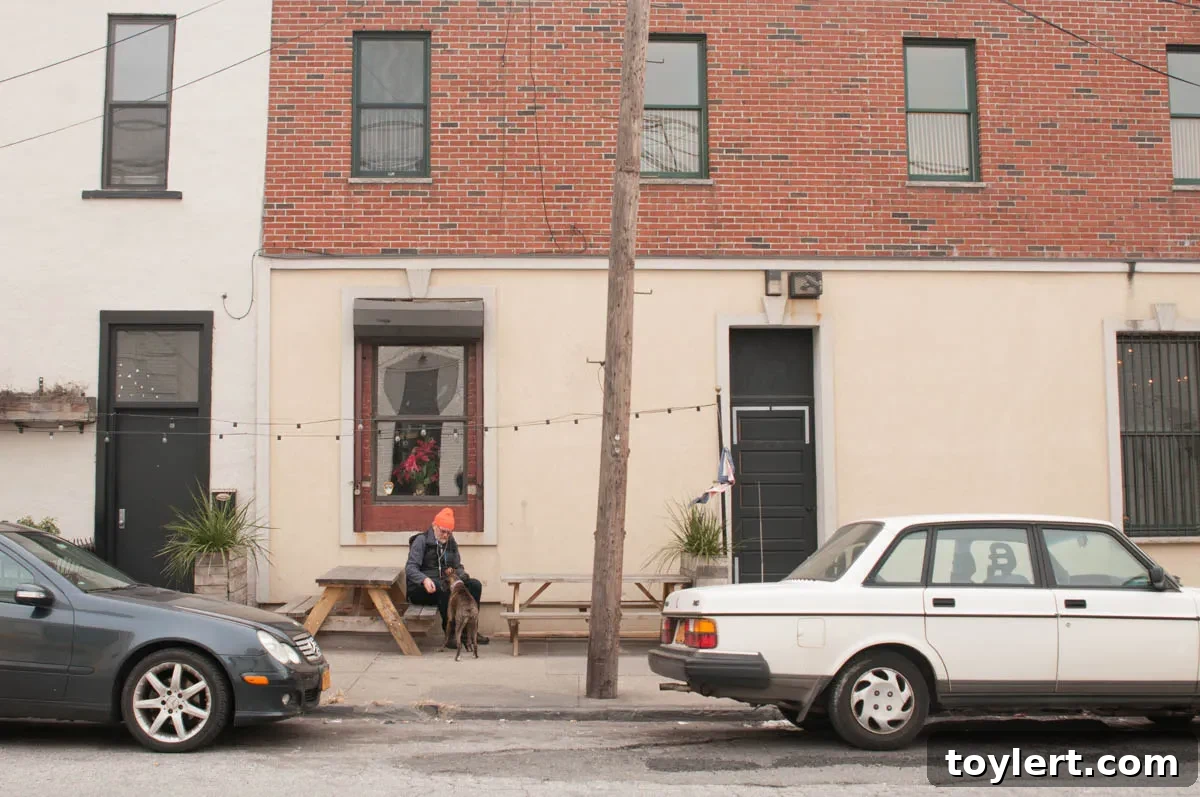
The image above captures a serene yet evocative scene from Gowanus, a neighborhood in Brooklyn that beautifully encapsulates the borough’s blend of industrial history and burgeoning modernization. Once a thriving industrial canal zone, Gowanus is now at the forefront of extensive rezoning and environmental cleanup efforts, poised for a transformative future while still retaining elements of its gritty past. This dynamic interplay between old and new is a recurring theme across Brooklyn, reflecting its journey as one of New York City’s most captivating boroughs.
Charting New Paths: The Brooklyn-Queens Connector and Urban Transit Visions
One of the most talked-about proposals aimed at enhancing connectivity and fostering economic growth across Brooklyn and Queens is the ambitious plan for a new streetcar line. Mayor de Blasio’s vision for this “Brooklyn-Queens Connector” (BQX) ignited both elation and skepticism upon its announcement. The proposed streetcar aims to link thriving waterfront neighborhoods from Astoria, Queens, down through Long Island City, Greenpoint, Williamsburg, the Brooklyn Navy Yard, Downtown Brooklyn, Red Hook, and Sunset Park, Brooklyn.
Proponents argue that the streetcar would be a game changer for neighborhoods currently underserved by the subway system. It promises to facilitate commutes for hundreds of thousands of residents, connect innovation districts, and stimulate further economic development in areas ripe for growth. By offering a new, reliable transportation option, the BQX could unlock significant potential, making these waterfront areas more accessible for both residents and businesses. The project aligns with broader goals of creating a more equitable city by providing transit options to areas that have historically lacked robust public transportation.
However, the project has not been without its critics. Concerns have been raised regarding its immense cost, estimated in the billions, its potential disruption during construction, and the fear that improved transit could accelerate gentrification, pricing out long-time residents and small businesses. The debate surrounding the BQX highlights the complex challenges inherent in large-scale urban planning projects: balancing the need for modernization and connectivity with the imperative to protect existing communities and ensure equitable development. This dialogue underscores a broader theme articulated in the Mayor’s State of the City Address, where a vision for a more inclusive and interconnected New York was laid out, emphasizing progress while striving for social equity.
Preserving the Past: Historic Landmarks and Architectural Legacy
While looking to the future, Brooklyn remains deeply connected to its rich history, evident in its dedication to preserving iconic landmarks and architectural treasures. The borough’s commitment to heritage conservation is a testament to its unique character, ensuring that new developments respect and integrate with the existing urban fabric. This balance between progress and preservation defines much of Brooklyn’s charm and appeal.
The Return of a Legend: The Bossert Hotel’s Rooftop Bar
A significant step towards rekindling Brooklyn’s glamorous past is the impending reopening of The Bossert’s Rooftop Bar. Known as “Brooklyn’s Waldorf-Astoria” in its heyday, the Bossert Hotel, located in Brooklyn Heights, boasts a storied history of hosting luminaries and serving as a social hub. Its reopening symbolizes more than just a new nightlife venue; it represents the revival of a historic institution and a nod to Brooklyn’s enduring appeal as a destination for both locals and visitors seeking a touch of classic elegance. Such revitalizations contribute to the economic vibrancy of neighborhoods while meticulously preserving their historical essence and architectural grandeur.
Coney Island’s Cherished Carousel: A Landmark Designation
Further south, the whimsical charm of Coney Island received a boost with the news that a historic designation is likely for Coney’s Carousel. This announcement from federal authorities ensures the protection of a beloved cultural artifact that has brought joy to countless generations. Coney Island itself is a beacon of nostalgic Americana, a place where history and entertainment intertwine. Safeguarding its historic rides and attractions is crucial for maintaining its unique identity and continued role as an iconic entertainment destination. Preserving these landmarks not only protects physical structures but also the intangible cultural heritage and collective memories associated with them, ensuring future generations can experience their magic.
The Allure of Old Houses: Connecting with Brooklyn’s Architectural Soul
Brooklyn’s housing stock, particularly its brownstones and rowhouses, is an integral part of its charm. For those captivated by its architectural soul, understanding the history of a home is paramount. The wisdom that “The One Thing You Need to Know About Dating an Old House” underscores the profound connection homeowners feel to their properties’ past. Researching city records, architectural styles, and previous inhabitants allows residents to become custodians of history, contributing to the borough’s ongoing narrative. This pursuit of historical context highlights the deep appreciation many Brooklynites have for the craftsmanship, resilience, and stories embedded within their homes, making each residence a living piece of history.
The Heart of Brooklyn: Community, Culture, and Local Enterprise
Beyond its infrastructure and historical preservation efforts, Brooklyn thrives on its vibrant communities, diverse cultural institutions, and the spirit of local entrepreneurship. These elements collectively forge the borough’s unique identity, making it a compelling place to live, work, and visit. The interplay between established traditions and burgeoning new ventures creates a dynamic social and economic environment.
Arts and Community Engagement: BAM’s Enduring Influence
At the forefront of Brooklyn’s cultural scene is the Brooklyn Academy of Music (BAM). With its new president talking about revitalizing Brooklyn, BAM continues its legacy as a pivotal cultural institution. It not only hosts world-class performances across various disciplines, from theater and dance to music and film, but also actively engages with the community, fostering artistic expression and accessibility. Institutions like BAM play a crucial role in the revitalization process by attracting talent, fostering creativity, and providing inclusive spaces for shared cultural experiences, thereby enriching the borough’s social fabric and demonstrating how the community “gives back” through its unwavering support for the arts.
Local Flavor and Entrepreneurship: From Baked Goods to Hipster Hangouts
Brooklyn’s reputation as a culinary hotspot and a hub for artisanal goods is well-deserved. Establishments like the Red Hook-based bakery, Baked, exemplify this trend. Their dedication to craft and aesthetic appeal is often wondered at: “Ever wonder how Red Hook–based bakery Baked gets their cakes to look so pretty?” Such local businesses contribute significantly to the borough’s economy and unique character, attracting residents and tourists alike with their quality and distinct charm. They are the backbone of neighborhood economies, providing local jobs, fostering a sense of community, and creating distinctive experiences that differentiate Brooklyn from other urban centers.
However, the influx of new businesses also brings debates about cultural shifts and gentrification. A notable example is the Bed Stuy Board’s rejection of an outpost of a Williamsburg hipster dive-bar empire. This decision highlights the tensions between preserving neighborhood identity and welcoming new developments. Community boards often act as gatekeepers, reflecting local sentiments regarding the pace and nature of change, particularly in historically rich and culturally distinct areas like Bed-Stuy. This event underscores the delicate balance required to maintain a neighborhood’s essence and affordability amidst the pressures of urban development and commercial expansion.
Addressing Community Challenges: Public Safety and Social Equity
While celebrating its vibrant culture and growth, Brooklyn also confronts its share of urban challenges. Issues of public safety remain a concern in certain areas, as evidenced by reports of Dumbo drive-by shooters being part of a Flatbush gang. Such incidents remind us that community well-being is multifaceted, encompassing not only economic prosperity and cultural richness but also the fundamental need for security and social cohesion. Addressing these challenges requires ongoing efforts from law enforcement, community leaders, and residents to foster safer, more inclusive environments for all. These issues often intersect with broader discussions about urban inequality, access to resources, and the importance of proactive community-based solutions within the city.
Brooklyn on the Political Stage
Brooklyn’s prominence extends to the political arena, frequently serving as a venue for significant political events. The news of Bill Clinton hosting a Hillary fundraiser at Brooklyn Bowl illustrates the borough’s role as a key location for national campaigns and political gatherings. This not only brings high-profile figures to local establishments but also reinforces Brooklyn’s status as a politically engaged and influential part of New York City, attracting national attention and contributing to broader political discourse. Such events underscore the borough’s importance in the national conversation.
Brooklyn’s Dynamic Future: A Tapestry of Progress and Preservation
Brooklyn continues to weave a complex tapestry of progress and preservation, innovation and tradition. From the ambitious streetcar proposal aiming to redefine its transit landscape to the diligent efforts in safeguarding its historical treasures, and the vibrant interplay of its diverse communities, the borough exemplifies urban dynamism. Its ability to simultaneously embrace modernization and cherish its heritage is a defining characteristic.
The narratives unfolding across Gowanus, Coney Island, Bed-Stuy, and Downtown Brooklyn collectively paint a picture of a borough confidently embracing its future while steadfastly honoring its past. As Brooklyn evolves, it remains a captivating place where every street corner tells a story, and every new development is met with spirited debate, reflecting the deep engagement of its residents in shaping their beloved home. It is this unique blend of forward momentum and rooted identity that ensures Brooklyn will remain an extraordinary and influential part of New York City for generations to come, truly embodying a spirit of constant reinvention and enduring charm.