Unlocking Brooklyn’s Potential: The Proposed Utica Avenue Subway Line
A transformative vision for Brooklyn’s public transportation landscape emerged with former Mayor de Blasio’s proposal to construct a new subway line beneath Utica Avenue. This ambitious plan, initially unveiled during a speech focused on urban sustainability, aimed to address a critical transit gap in one of New York City’s most densely populated, yet underserved, corridors. The announcement, as reported by Capital New York, sparked considerable discussion about the future of transit infrastructure in the borough and the potential for enhanced connectivity for hundreds of thousands of residents.
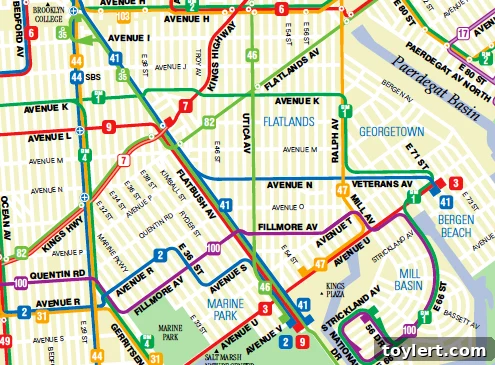
Utica Avenue, a vital north-south artery stretching through the heart of Brooklyn, has long been identified as a significant “transit desert.” Despite its bustling commercial activity and vibrant residential communities, the area currently relies heavily on bus services, primarily the B46 bus route. The proposed subway extension seeks to revolutionize commuting for residents of East Flatbush, Crown Heights, Bed-Stuy, and beyond, promising quicker, more reliable travel and unprecedented access to the city’s vast subway network.
The Heart of Brooklyn: Understanding Utica Avenue’s Transit Needs
Utica Avenue is more than just a street; it’s a vibrant lifeline for numerous Brooklyn neighborhoods. From its southern terminus in Marine Park, it courses north through the residential enclaves of East Flatbush, past the historic brownstones of Crown Heights, and into the diverse communities of Bedford-Stuyvesant, before connecting further north. This extensive corridor is home to a rich tapestry of cultures, small businesses, schools, and essential services, making it a critical hub of activity and population density.
However, despite its centrality and high population density, direct subway access along a significant portion of Utica Avenue remains conspicuously absent. This forces tens of thousands of daily commuters to rely on slower, often congested bus routes, extending travel times and limiting opportunities. A draft of Mayor de Blasio’s speech, quoted by Capital New York, starkly highlighted this disparity, describing Utica Avenue as “one of the densest areas in the city not directly served by the subway.” This lack of efficient mass transit not only impacts individual commuters but also has broader implications for economic development, social equity, and the overall quality of life in these dynamic communities, underscoring the urgent need for infrastructure upgrades.
The B46 Bus: A Crucial but Overburdened Artery
Currently, the backbone of public transportation along Utica Avenue is the B46 bus. This extensive route is a lifeline for many, commencing its journey near Marine Park, traveling up Utica Avenue through the bustling streets of East Flatbush, and then navigating through eastern Bed-Stuy on Malcolm X Boulevard, eventually reaching its northern terminus in Williamsburg near Marcy Avenue and Broadway. The B46 is consistently ranked among the MTA’s busiest bus lines, serving hundreds of thousands of riders annually and providing essential north-south connectivity where subway options are scarce.
While invaluable to the communities it serves, the B46 bus faces significant challenges inherent to surface transit in a bustling urban environment. Riders frequently experience prolonged delays due to heavy traffic congestion, particularly during peak commuting hours. Overcrowding is a persistent issue, leading to uncomfortable commutes and, at times, even passed-up stops when buses are at full capacity. The journey from one end of the B46 route to another can be painstakingly slow, often taking well over an hour for what would be a much shorter trip by subway. This inefficiency underscores the limitations of even a critical bus line when faced with the escalating demands of a high-density urban corridor, making a strong case for an alternative, higher-capacity solution.
Why a Subway for Utica Avenue? The Compelling Case for Expansion
The proposal for a Utica Avenue subway line is rooted in a compelling need to modernize and expand Brooklyn’s transit infrastructure to meet the demands of a growing population and evolving urban landscape. The benefits of such an undertaking are multifaceted, promising significant improvements across various sectors:
Enhanced Connectivity and Efficiency
A new subway line would drastically reduce commute times for residents along Utica Avenue and its surrounding neighborhoods. What might currently take 45 minutes to an hour by bus could be completed in a fraction of the time, offering direct access to key subway lines like the A/C, 3/4, and L trains. This seamless integration would connect commuters more efficiently to Manhattan, Queens, and other parts of Brooklyn. Such enhanced connectivity would open up new job opportunities, educational pathways, and access to healthcare and cultural institutions, fundamentally transforming daily life for hundreds of thousands of New Yorkers and fostering greater mobility throughout the city.
Economic Revitalization and Development
Major infrastructure projects like a subway extension historically spur significant economic growth. The construction phase itself would create thousands of local jobs, providing employment opportunities within the community. In the long term, the presence of a reliable subway line would likely attract new businesses, increase property values, and foster commercial revitalization along the Utica Avenue corridor. Improved access makes areas more attractive for both residents and investors, leading to a vibrant ecosystem of shops, restaurants, and services that directly benefit local residents and the broader community, transforming neglected stretches into thriving commercial hubs.
Environmental Sustainability and Decongestion
Aligning with Mayor de Blasio’s initial sustainability focus, a subway line offers substantial environmental benefits. By shifting a significant portion of commuters from carbon-emitting buses and private vehicles to electric subway trains, the project would directly contribute to reducing carbon emissions, improving local air quality, and alleviating surface traffic congestion. Fewer buses on the road mean smoother flow for remaining traffic, and a cleaner, quieter environment for pedestrians and residents. This strategic move towards sustainable transit is crucial for New York City’s long-term environmental goals and its commitment to combating climate change.
Addressing Transit Inequity
The communities along Utica Avenue have historically faced disparities in infrastructure investment, often characterized by limited access to efficient public transit options. Building a subway line here would be a powerful, tangible step towards addressing transit inequity, providing residents of underserved neighborhoods with the same level of efficient, reliable public transportation enjoyed by other, more affluent parts of the city. It’s about ensuring equitable access to opportunities, fostering social mobility, and ultimately improving the quality of life for all New Yorkers, regardless of their neighborhood’s historical transit development or socio-economic status.
Navigating the Hurdles: Feasibility, Funding, and Political Will
While the vision for a Utica Avenue subway line is compelling, the path to its realization is fraught with significant challenges. Major infrastructure projects in New York City are notoriously complex, costly, and time-consuming, and this proposal is no exception.
The Immense Cost and Funding Mechanisms
Building a new subway line in a dense urban environment like Brooklyn involves astronomical costs, potentially running into many billions of dollars. Tunneling beneath existing streets and buildings, acquiring property, and integrating seamlessly with the current MTA system are all incredibly expensive undertakings. Securing such massive funding requires a delicate dance between city, state, and federal resources, often involving complex financial models, federal grants, and potentially innovative public-private partnerships. The economic feasibility and the political will to allocate such substantial funds are often the most formidable barriers.
Engineering and Construction Complexities
New York City’s underground is a labyrinth of existing subway tunnels, utility lines, and building foundations. Planning and executing construction for a new subway line requires meticulous engineering, extensive geological surveys, and careful management to minimize disruption to existing infrastructure and surface life. The construction phase itself would be lengthy, causing localized noise, dust, and traffic re-routing, which would necessitate careful community engagement, effective mitigation strategies, and transparent communication with affected residents and businesses throughout the multi-year process.
Political Skepticism and Public Debate
As noted by a story in the Daily News, initial reactions to the proposal were not uniformly enthusiastic, with some dismissing it as “all posturing” and unlikely to materialize. Such skepticism is common for large-scale, long-term projects that often extend beyond a single political administration’s term. Sustained political will, cross-party consensus, and consistent public advocacy are crucial for keeping such a project on track through changing political landscapes, shifting budget priorities, and evolving public sentiment. Overcoming political inertia and securing bipartisan support are key to moving from proposal to reality.
A Glimpse into NYC’s Transit Future: Lessons from Past Expansions
New York City has a long and storied history of ambitious subway expansions, from the initial construction of the IRT and BMT lines in the early 20th century to more recent projects like the long-awaited Second Avenue Subway and the 7 Train Extension to Hudson Yards. Each of these endeavors faced unique and formidable challenges related to funding, complex engineering, and persistent political opposition, yet ultimately delivered significant and lasting benefits to the city and its millions of residents. The Second Avenue Subway, for instance, took decades to complete its first phase, demonstrating the sheer perseverance and long-term commitment required for such undertakings.
These historical precedents highlight that while a Utica Avenue subway line presents immense hurdles, it is not an impossible dream. They underscore the importance of meticulous long-term planning, phased construction approaches, and a robust, unwavering commitment from city and state leadership. Learning from these past experiences can help inform the strategic planning and execution of future expansions, ensuring that ambitious visions translate into tangible improvements for millions of New Yorkers and continue to shape the urban fabric for generations to come.
Conclusion: The Path Ahead for Utica Avenue’s Transit Dream
The proposal for a subway line under Utica Avenue represents a significant aspiration for Brooklyn’s future, aiming to connect underserved communities, stimulate economic growth, and advance the city’s sustainability goals. It embodies the kind of visionary thinking required to address the evolving transit needs of a dynamic metropolis like New York City, recognizing that robust infrastructure is key to equitable urban development.
While the challenges of securing colossal funding, navigating intricate construction complexities, and forging robust political consensus are undoubtedly substantial, the potential rewards for hundreds of thousands of Brooklyn residents are equally profound. As discussions continue and city planners meticulously consider the long-term trajectory of urban development, the Utica Avenue subway remains a potent symbol of progress—a dream of improved connectivity that, if realized, could redefine the daily lives and opportunities for generations to come. The debate over its feasibility and necessity will undoubtedly continue, shaping the discourse on equitable and sustainable transportation for one of the world’s greatest cities, and reminding us of the enduring power of ambitious urban planning.