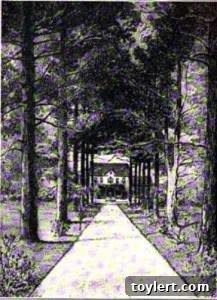
Melrose Hall and the Enduring Legacy of Flatbush: A Journey Through Brooklyn’s Deep Roots
Flatbush, originally known as “Vlacktebos” in Dutch, is a neighborhood in Brooklyn brimming with history, a vibrant tapestry woven from centuries of change, cultural shifts, and architectural evolution. From its humble beginnings as a Dutch colonial settlement in the mid-1600s to its present-day status as a diverse and dynamic community, Flatbush has played a pivotal role in shaping Brooklyn’s identity. At the heart of this rich narrative lie grand estates and historical landmarks, such as the enigmatic Melrose Hall, echoing the tales of eras long past.
This comprehensive exploration delves into the fascinating origins of Flatbush, tracing its transformation from a pastoral Dutch village to a bustling American neighborhood, all while highlighting the significance of its historical architecture and the stories embedded within structures like Melrose Hall. Understanding Flatbush’s past is not merely an academic exercise; it’s an immersive journey into the very soul of Brooklyn, revealing the layers of heritage that continue to influence its unique character. Discover the hidden gems and untold stories that make Flatbush a cornerstone of New York City’s historical landscape.
The Genesis of Vlacktebos: Dutch Settlement in the New World
The story of Flatbush truly begins in 1651, when intrepid Dutch settlers, seeking fertile lands beyond the confines of New Amsterdam, established “Vlacktebos” – literally “flat woodland” – on the western part of Long Island. This nascent agricultural community quickly became one of the original six towns of Kings County, strategically important due to its rich soil, abundant natural resources, and growing accessibility. The early Dutch inhabitants, primarily farmers and artisans, cultivated a self-sufficient society, meticulously building homes, churches, and schools that reflected their cultural heritage and practical needs. They brought with them distinct traditions, architectural styles characterized by sturdy brick and timber, and a tenacious spirit that laid the groundwork for generations to come, deeply embedding Dutch influence into the region.
Life in Vlacktebos was characterized by hard work, strong community cooperation, and an unbreakable connection to the land. The Dutch West India Company oversaw the settlement, granting patents for farms and ensuring a structured, albeit nascent, colonial existence. These early settlers, including influential families like the Vanderbilts and Lefferts, would become integral to Brooklyn’s early development, their names still echoing through street names, parks, and historical institutions today. The area quickly flourished, becoming a significant breadbasket for New Amsterdam and a testament to Dutch industriousness and foresight in the New World. The foundations laid during this period created a unique cultural identity that subtly persists even centuries later in the urban fabric of Flatbush.
From Dutch Colony to British Dominion: The Shifting Sands of Power (1664)
The mid-17th century was a period of intense rivalry between burgeoning European maritime powers, particularly England and the Netherlands, who were fiercely vying for control of lucrative trade routes and valuable colonial territories across the globe. New Amsterdam, the bustling port and administrative center of New Netherland, became a prime target for English ambition due to its strategic location and economic potential. In a dramatic turn of events, culminating in the Second Anglo-Dutch War, a formidable English fleet, led by Colonel Richard Nicolls, arrived unannounced in New Amsterdam’s harbor in August 1664. Facing overwhelming odds and with minimal defensive fortifications, Director-General Peter Stuyvesant was compelled to surrender the colony, effectively ending Dutch rule in North America after just over half a century.
Vlacktebos, along with the entirety of New Netherland, subsequently fell under English control. The transition, while initially jarring and culturally challenging for the established Dutch inhabitants, was surprisingly smooth in many administrative aspects. The English, keen to maintain stability and avoid unrest, largely respected existing property rights, religious freedoms, and legal systems, allowing the Dutch language and customs to persist for generations, deeply influencing the local dialect and traditions. Vlacktebos was anglicized to Flatbush, and its future became intricately intertwined with the burgeoning British colonial empire. This pivotal year marked a significant turning point, not just for Flatbush but for the entire region, laying the crucial foundation for what would eventually become the vast, diverse metropolis of New York City. The seeds of a new cultural identity, a blend of Dutch legacy and British governance, were firmly planted.
Flatbush Through the Centuries: Growth, Change, and Architectural Evolution
The Eighteenth Century: A Rural Enclave Endures
Following the British takeover, Flatbush continued its trajectory as a predominantly agricultural community throughout the 18th century. Its strategic location, however, brought it directly into the heart of conflict during the tumultuous American Revolutionary War. The Battle of Long Island in August 1776, one of the largest and most significant battles of the war, saw British forces traverse Flatbush, leaving an indelible mark on the landscape and its residents, many of whom were deeply divided in their loyalties. Despite the pervasive turmoil and military occupation, Flatbush largely maintained its rural charm, with sprawling farms and country estates dotting the landscape, many showcasing a fascinating blend of traditional Dutch Colonial and emerging Georgian architectural styles. These structures, often built with local materials like timber and fieldstone, stood as enduring testaments to the resilience and deep-rooted heritage of the community, serving as silent witnesses to history.
The Nineteenth Century: Suburbanization and Grand Estates
As Brooklyn grew exponentially in the 19th century, transforming from a collection of independent towns into a bustling urban center, Flatbush began its profound metamorphosis from a quiet rural agricultural area into a highly sought-after suburban retreat. The introduction of efficient horse-drawn trolleys and later electrified streetcars made commuting to downtown Brooklyn and Manhattan increasingly feasible and desirable, attracting affluent families seeking spacious homes and greener pastures away from the urban core’s congestion. This era witnessed the rise of magnificent architectural styles, including grand Victorian estates, elegant Italianate villas with their distinctive low-pitched roofs, and picturesque Queen Anne residences characterized by turrets and varied textures, creating a diverse architectural landscape that still defines parts of Flatbush today. These magnificent homes, often set on generous plots with meticulously manicured gardens, became quintessential symbols of prosperity, social standing, and a burgeoning American identity, blending European influences with a distinct local flavor that gave Flatbush its unique character.
The development of Prospect Park in the mid-1800s, masterfully designed by Frederick Law Olmsted and Calvert Vaux, further solidified Flatbush’s appeal, positioning it as an ideal location for those desiring both urban convenience and the tranquility of natural beauty. Wealthy merchants, prominent industrialists, and ambitious professionals eagerly built their dream homes here, contributing significantly to the rich architectural tapestry that characterizes the neighborhood. It was during this dynamic period that many of Flatbush’s most iconic and enduring structures, including what we imagine as Melrose Hall, would have taken shape, embodying the aspirations, wealth, and prevailing stylistic trends of the age. These structures collectively tell a story of rapid expansion, changing social norms, and an enduring commitment to architectural excellence that continues to inspire.
Melrose Hall: A Hypothetical Historical Landmark of Flatbush
While specific historical records for “Melrose Hall” are not widely published or might be lost to time, the name itself evokes the grandeur and architectural legacy that undeniably defined Flatbush’s golden age of suburban development. Imagined as a stately mansion, Melrose Hall could have been constructed in the mid-19th century, perhaps around the 1850s or 1860s, a pivotal period when Flatbush was decisively transitioning from its agrarian roots to a more refined suburban identity. Its architecture might have reflected the highly popular styles of the time, such as Italianate with its distinctive low-pitched roofs, wide eaves, and ornamental brackets, or perhaps a more robust Romanesque Revival design, showcasing the substantial wealth and sophisticated taste of its original owners. Such a building would have stood as a proud testament to the era’s craftsmanship and artistic sensibilities.
Melrose Hall would have been more than just a magnificent house; it would have been an expansive estate, potentially surrounded by extensive, meticulously planned grounds – perhaps even forming the nucleus of a larger “Melrose Park” area, lending credence to the local legend suggested by older accounts. Such an estate would have featured not only the main residence but also meticulously landscaped gardens designed for leisure and formal entertainment, charming carriage houses, stables, and perhaps even its own orchards or agricultural plots, representing the epitome of luxurious suburban living in 19th-century Brooklyn. It would have served as a prominent venue for elaborate social gatherings, important civic meetings, and cultural events, functioning as a focal point for the elite society of Flatbush, cementing its status as a significant local landmark.
The inhabitants of Melrose Hall would likely have been prominent figures in Brooklyn society – successful merchants, esteemed lawyers, or influential industrialists who contributed significantly to the city’s economic boom and civic development. Their lives within its grand walls would have intimately intertwined with the broader history of Flatbush, witnessing the gradual arrival of modern conveniences like gas lighting and plumbing, the growth of local institutions, and the constantly changing demographics of the neighborhood. The architectural details, from its imposing grand entrance and sweeping staircase to its intricate interior moldings, handcrafted fireplaces, and soaring ceilings, would have spoken volumes about the unparalleled craftsmanship, refined aesthetic values, and prevailing social aspirations of the era, truly making Melrose Hall a jewel of Flatbush’s past.
The Enduring Architectural Heritage of Flatbush Today
Flatbush stands today as a living museum of architectural styles, a vibrant testament to its long and remarkably varied history. While specific structures like our imagined Melrose Hall may or may not survive in their original form, the spirit and architectural grandeur of such estates permeate the very fabric of the neighborhood. From the quaint Dutch Colonial farmhouses that harken back to the original Vlacktebos settlement, with their distinctive gambrel roofs and sturdy brick foundations, to the elaborate Victorian homes of the historic Prospect Park South district and the sleek Art Deco apartment buildings that emerged in the early 20th century, Flatbush offers a breathtaking panorama of American architectural history, unrivaled in its diversity and preservation.
Preservation efforts in Flatbush are critically important for maintaining this tangible link to the past. These dedicated efforts not only protect beautiful and historically significant buildings but also safeguard the invaluable stories and rich cultural heritage they represent. The remarkable architectural diversity of Flatbush beautifully reflects the layered histories of its countless inhabitants – from its original Dutch founders and subsequent English administrators to the myriad immigrant communities from around the world that have contributed to its vibrant tapestry over centuries. Each unique facade tells a captivating story, and each tree-lined street narrates an epic tale of evolution, adaptation, and enduring community spirit, making Flatbush a profound destination for history enthusiasts and architectural admirers alike.
Flatbush: A Community Forged in History
The journey from “Vlacktebos” to modern Flatbush is a truly remarkable narrative of persistence, adaptation, and continuous growth. It’s a rich story of shifting allegiances, dramatic urban expansion, and the continuous, dynamic evolution of a community. Structures like Melrose Hall, even if their specific individual history is an imaginative reconstruction, serve as powerful and evocative symbols of this grand historical journey. They profoundly remind us that behind every street name, every public park, and every venerable old building lies a rich and complex chronicle of human endeavor, dreams, and resilience.
Today, Flatbush continues to thrive as a dynamic, diverse, and exceptionally vibrant neighborhood, proudly embracing its past while eagerly looking towards a promising future. Its iconic tree-lined streets, historic homes, and bustling commercial corridors stand as an inspiring testament to the enduring legacy of its tenacious Dutch founders and the countless generations that have followed, each adding their unique chapter to its story. By understanding and deeply appreciating the profound historical roots of Flatbush, particularly through its architectural heritage and storied estates, we gain an invaluable insight into the intricate making of Brooklyn and, indeed, into the very soul of New York City itself. Flatbush is more than just a place; it’s a living, breathing testament to history.