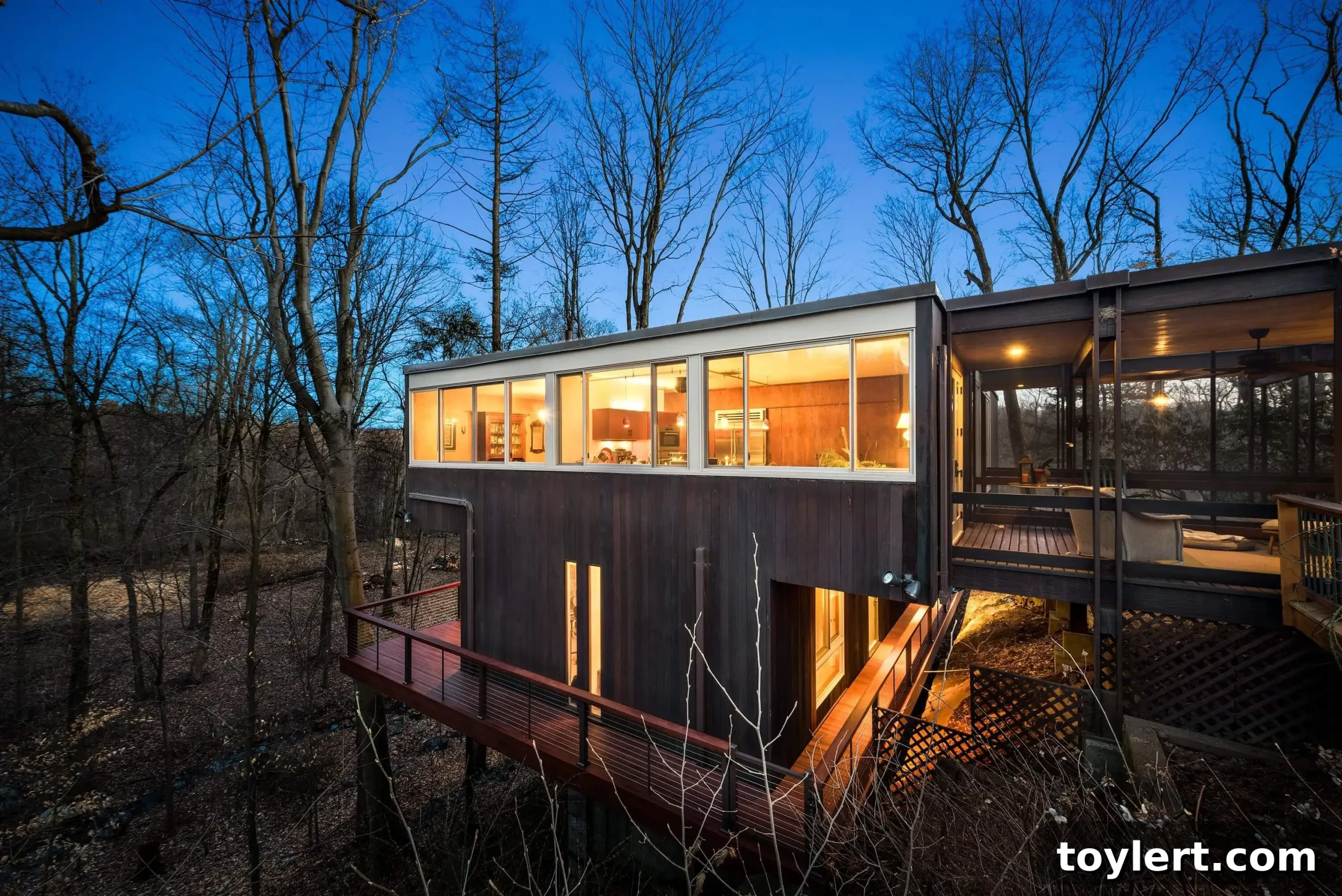
Discover Mid-Century Modern Gems in Westchester County, NY
For those with a discerning eye for design and a desire for a unique suburban retreat within an effortless commute to New York City, look no further than Westchester County. This picturesque region, nestled just east of the majestic Hudson River, has quietly become a treasure trove of captivating Mid-Century Modern (MCM) architecture. It offers a rare opportunity to own a piece of architectural history, combining innovative design with the tranquility of nature and the convenience of city access.
Westchester County’s landscape is dotted with an impressive array of mid-20th century architectural masterpieces. From the distinctive creations of Roy O. Allen and Roy Johnson gracing Briarcliff Manor, to the elegant designs of Arthur Witthoefft in Armonk, and the visionary Usonian community planned by Frank Lloyd Wright in Pleasantville, the area presents a rich tapestry of modern design that continues to inspire and captivate homeowners today.
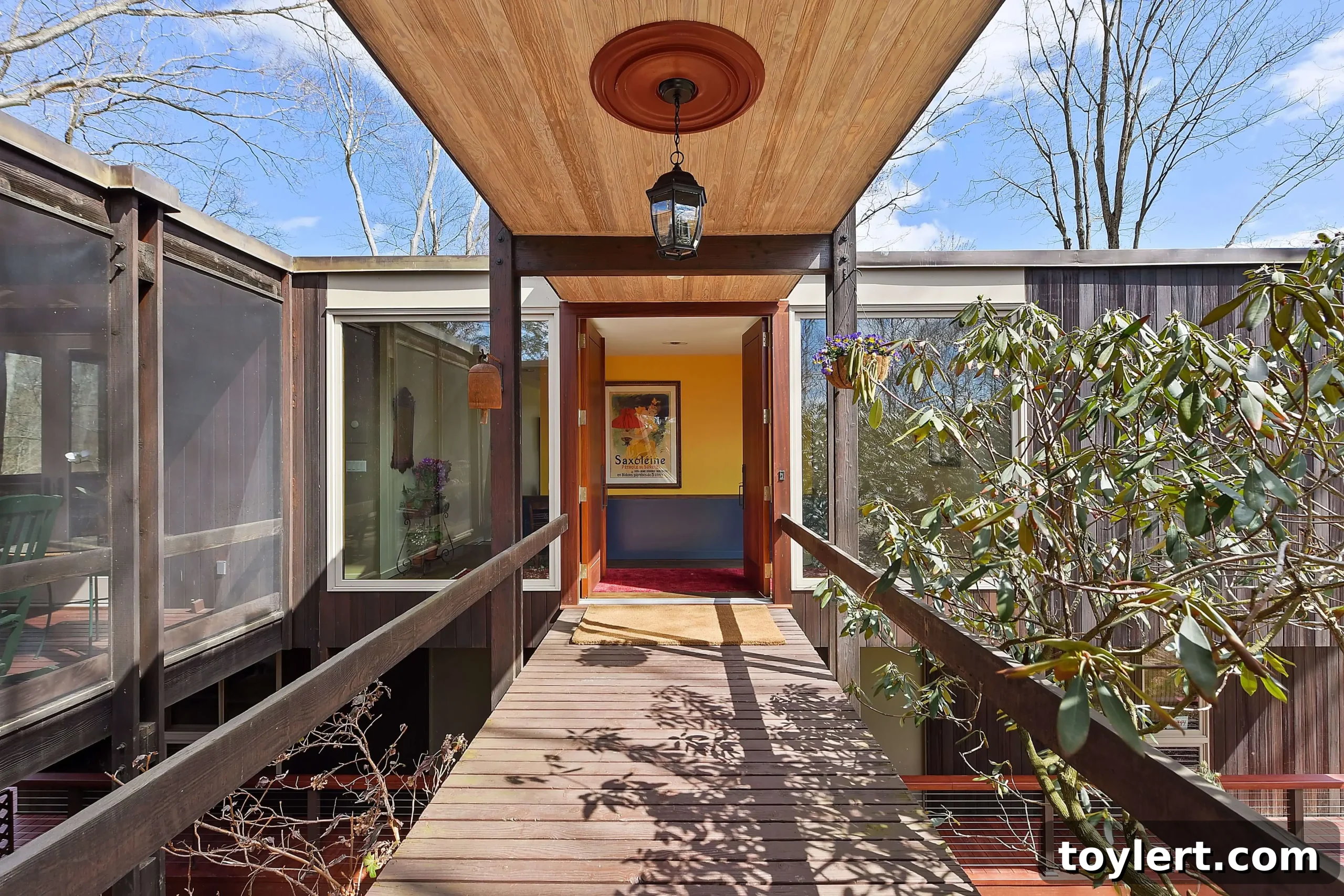
The Enduring Appeal of Mid-Century Modern Architecture
Mid-Century Modern architecture, flourishing roughly from the mid-1940s to the late 1960s, represents a significant shift in design philosophy. It emerged from a post-war optimism, a desire for efficiency, and a renewed appreciation for simplicity and functionality. Key characteristics include clean lines, organic forms, large windows that blur the lines between indoor and outdoor spaces, and a thoughtful integration with the surrounding natural environment. Architects of this era often utilized new materials like steel, glass, and plywood, alongside traditional wood and stone, to create homes that felt both innovative and harmonious.
These homes were designed not just as shelters, but as living spaces that promoted a lifestyle of openness, comfort, and connection to nature. Open-concept floor plans, often featuring expansive living areas and kitchens, encouraged social interaction and flexibility. Built-in furniture, thoughtful storage solutions, and an emphasis on natural light were hallmarks, creating environments that felt uncluttered and serene. For many, owning an MCM home is not just about the structure itself, but about embracing a design ethos that values practicality, beauty, and a deep respect for the site.
Why Westchester County is a Mid-Century Modern Hotspot
Westchester County’s unique geography and history made it an ideal canvas for the burgeoning Mid-Century Modern movement. Its rolling hills, lush woodlands, and proximity to the Hudson River offered architects ample opportunity to design homes that maximized views and blended seamlessly with the landscape. Moreover, its accessibility to New York City meant that many of the era’s forward-thinking architects and their affluent clients were drawn to the area, seeking a respite from urban life without sacrificing cultural or professional connectivity.
The post-war boom saw a significant expansion of suburban development, and Westchester County became a prime location for experimental and progressive residential designs. Visionary developers and architects recognized the potential to create communities that offered a modern lifestyle, often incorporating natural elements and innovative site planning. This confluence of factors led to an extraordinary concentration of architecturally significant homes, many of which remain remarkably preserved today, making Westchester a prime destination for MCM enthusiasts and prospective homeowners alike.
Architectural Legacies: Spotlight on Westchester’s MCM Masters
Frank Lloyd Wright and the Usonian Vision in Pleasantville
Perhaps one of the most celebrated examples of Mid-Century Modern innovation in Westchester County is the Usonian community in Pleasantville, known as Usonia Historic District. Conceived by the legendary architect Frank Lloyd Wright, Usonian homes were Wright’s vision for affordable, beautifully designed housing for the average American family. These homes are characterized by their single-story, L-shaped plans, flat roofs, radiant floor heating, carports instead of garages, and extensive use of natural materials, often locally sourced. They exemplify an organic architecture, deeply integrated with their specific sites, often maximizing privacy and views through thoughtful orientation and window placement.
The Usonia community, established in the late 1940s, is a testament to collaborative architectural planning. While Wright designed the master plan and a few key homes, other talented architects, many of whom were his apprentices or influenced by his philosophy, contributed designs within the community’s framework. Exploring Usonia offers a rare glimpse into a comprehensively planned modern neighborhood, where each home, though distinct, adheres to a shared set of principles emphasizing simplicity, natural beauty, and functional elegance. It remains a vibrant, living example of Wright’s enduring influence on American residential architecture.
Briarcliff Manor: Roy O. Allen and Roy Johnson’s Contributions
Briarcliff Manor, another jewel in Westchester’s crown, boasts a significant collection of Mid-Century Modern homes, particularly those designed by architects like Roy O. Allen and Roy Johnson. These architects were instrumental in shaping the suburban landscape of the mid-20th century, creating homes that resonated with the era’s progressive spirit. Their designs often featured expansive glass walls, allowing natural light to flood interior spaces and offering panoramic views of the surrounding mature trees and meticulously landscaped gardens. Flat or gently sloping roofs, open floor plans, and a sophisticated interplay of materials such as stone, wood, and concrete are common themes in their work.
Homes by Roy O. Allen, for instance, often showcase a meticulous attention to detail and a commitment to creating living spaces that are both aesthetically pleasing and highly functional. They understood the suburban homeowner’s desire for privacy while still fostering a connection with the outdoors. Roy Johnson’s work similarly exhibits a thoughtful approach to site integration, often designing homes that step down hillsides or nestle into wooded plots, making the most of the natural topography. These homes in Briarcliff Manor represent not just buildings, but carefully crafted environments designed for modern living.
Armonk: The Distinctive Style of Arthur Witthoefft
In the charming town of Armonk, the architectural legacy of Arthur Witthoefft stands out. Witthoefft, a renowned architect associated with Skidmore, Owings & Merrill (SOM), brought a sophisticated, refined modernism to his residential projects. His homes in Armonk often exhibit a clarity of form, precise detailing, and a masterful use of geometry. While adhering to MCM principles of openness and light, Witthoefft’s designs frequently presented a more structured and perhaps minimalist aesthetic compared to some of his contemporaries. His work often features expansive glass, carefully modulated to control light and provide framed views, and a disciplined approach to material palettes.
Witthoefft’s homes are characterized by their intelligent layouts and an understated elegance that speaks volumes. They represent a blend of international style influences with a sensitive understanding of the local context. For enthusiasts of Mid-Century Modernism who appreciate a more formal yet equally functional expression of the style, Witthoefft’s contributions to Armonk offer a compelling architectural narrative and some truly exceptional properties.
The Lifestyle: Suburban Serenity with Urban Accessibility
Beyond their architectural merit, Mid-Century Modern homes in Westchester County offer an unparalleled lifestyle. Residents enjoy the tranquility of suburban living – spacious lots, lush green spaces, and a strong sense of community – all while maintaining an incredibly convenient connection to New York City. The Metro-North Railroad provides frequent and reliable service, making a daily commute or a spontaneous trip into the city for work or leisure remarkably easy.
This unique blend allows for the best of both worlds: weekends can be spent exploring Westchester’s numerous parks, hiking trails, and picturesque towns, enjoying local farm-to-table dining, or simply relaxing in the beautifully designed surroundings of your MCM home. During the week, the city’s vibrant cultural scene, world-class dining, and diverse professional opportunities are just a train ride away. Owning a Mid-Century Modern home here isn’t just about buying property; it’s about investing in a lifestyle that values design, nature, and connectivity.
Investing in a Piece of Architectural History
The market for Mid-Century Modern homes in Westchester County remains robust, driven by their timeless appeal, unique character, and increasing recognition of their historical significance. These properties often require an owner who appreciates their original design intent and is committed to sensitive restoration and preservation. When searching for an MCM home, it’s advisable to look for properties that retain their original features, such as period windows, built-in cabinetry, and original finishes, as these contribute significantly to their authenticity and value.
Whether you’re an architecture aficionado, a young family seeking more space, or simply someone yearning for a stylish escape from the city, Westchester County presents an extraordinary opportunity. Its rich collection of Mid-Century Modern homes, set against a backdrop of natural beauty and urban convenience, makes it a premier destination for those looking to embrace a truly distinctive way of life.
Embark on your journey to discover the Mid-Century Modern home of your dreams in Westchester County. You might just find that perfect blend of historical charm, innovative design, and modern comfort you’ve been searching for.