Brooklyn’s Evolving Pulse: A Deep Dive into Key Developments and Community Voices from 2014
Brooklyn, a borough renowned for its rich history, diverse communities, and relentless evolution, is a place where past, present, and future constantly intertwine. Urban landscapes shift, community voices rise, and the very fabric of neighborhoods transforms with each passing year. To truly appreciate this dynamic process, it’s invaluable to look back at specific moments in time that capture the essence of its ongoing development. This article offers a detailed look at some of the most compelling news and discussions that shaped Brooklyn in 2014, focusing on key areas such as urban planning, social justice, real estate trends, and the preservation of its unique heritage.
From the strategic implementation of protected bike lanes enhancing urban mobility and safety, to intense debates surrounding new development projects, and profound reflections on historical events that continue to resonate, 2014 was a pivotal year. We delve into reports from across Crown Heights, Park Slope, Gowanus, and Williamsburg, providing an insightful perspective on the challenges and opportunities facing Brooklyn residents and planners. These stories highlight the continuous effort to balance progress with preservation, economic growth with social equity, and modern needs with historical legacies. Join us as we revisit these significant moments, understanding how they contributed to the Brooklyn we know today.
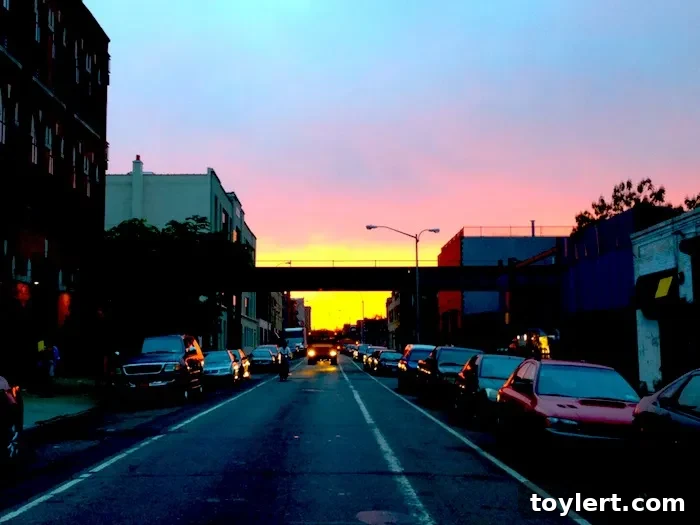
Shaping Urban Spaces: Transportation and Infrastructure
The conversation around urban planning in Brooklyn frequently centers on how the borough adapts its infrastructure to serve a growing and increasingly diverse population. In 2014, significant strides were being made in enhancing pedestrian and cyclist safety, particularly with the introduction and evolution of protected bike lanes. These initiatives reflect a broader commitment to sustainable urban living and improving the quality of life for all residents.
The Evolution of the Bergen Street Protected Bike Lane
The implementation of protected bike lanes across New York City has been a transformative effort, fundamentally reshaping how residents navigate the urban environment. A prime example of this ongoing evolution was the Bergen Street Protected Bike Lane. As reported by Streetsblog, the development of this particular lane in 2014 was more than just adding a stripe of paint; it represented a complex process of design, community feedback, and adaptation. Protected bike lanes are critical for promoting cycling as a viable mode of transportation, separating cyclists from vehicular traffic and significantly reducing accidents. The “evolution” aspect highlights that such projects are not static but continually refined based on usage patterns, safety data, and community input, aiming to create a safer, more efficient, and greener city. These lanes are not merely pathways; they are vital arteries in Brooklyn’s vision for sustainable urban mobility, demonstrating a proactive approach to modern transportation challenges.
A Glimpse into Brooklyn’s Past: The Williamsburg Trolley Remnant
Brooklyn’s rich history is often subtly preserved within its modern landscape, sometimes in the most unexpected forms. The discovery or recognition of a Williamsburg Trolley Remnant, as chronicled by Forgotten NY, serves as a poignant reminder of the borough’s extensive and once-thriving streetcar network. In an era dominated by cars and subways, these remnants offer a tangible link to a different time when trolleys were the backbone of public transportation, connecting neighborhoods and shaping urban development. Such discoveries are important not just for historians, but for everyone living in Brooklyn, providing a deeper appreciation for the layers of history beneath their feet. They underscore the cyclical nature of urban planning and transportation, inviting reflection on how current infrastructure decisions might be viewed decades from now, and emphasizing the importance of preserving historical artifacts even as cities push forward with modernization.
Community, Justice, and Social Dialogue in Brooklyn
Beyond bricks and mortar, Brooklyn is defined by its vibrant communities and the critical conversations that shape social justice and civic engagement. 2014 saw several significant moments that underscored the complex social dynamics and ongoing efforts toward historical understanding and equitable community relations within the borough. These events highlighted both the enduring challenges and the resilient spirit of Brooklyn’s residents.
Reflecting on History: 25 Years Since the Crown Heights Riots
Historical events, particularly those involving social unrest and community division, cast long shadows and demand ongoing reflection. In 2014, WNYC’s special report, “25 Years in 25 Days (1991): A Report from the Crown Heights Riots,” provided a crucial opportunity to revisit the traumatic events of the 1991 Crown Heights riots. This retrospective not only reminded residents of the tensions that once gripped the neighborhood but also served as a vital tool for understanding the progress made in community relations, as well as the work that still needed to be done. Such historical reporting is essential for fostering dialogue, promoting healing, and ensuring that lessons from the past are learned to build a more harmonious future. It underscores the enduring importance of journalism in chronicling and interpreting pivotal moments that shape a city’s social fabric.
Concerns Over Policing in Park Slope: Witness Accounts
Community-police relations are a perpetual point of discussion in any major city, and Brooklyn is no exception. A report by DNAinfo in 2014 brought to light serious allegations regarding policing practices in Park Slope, where a witness claimed police told Black teens to “Get out of the Neighborhood.” This incident sparked considerable concern and highlighted ongoing debates about racial profiling, police conduct, and the impact of gentrification on neighborhood dynamics. Such reports are critical for initiating conversations between law enforcement and the communities they serve, aiming to build trust and address systemic issues. They remind us that even in seemingly affluent areas like Park Slope, vigilance is required to ensure equitable treatment and respect for civil liberties for all residents, regardless of their background or appearance.
Community Opposition to a Parole Office in Industrial Gowanus
The allocation of space and the placement of public facilities often ignite passionate debate within communities, especially in rapidly changing neighborhoods. In 2014, the discussion around a potential parole office in Gowanus perfectly illustrated this, with the Borough President stating it “Doesn’t Belong in Industrial Gowanus” (DNAinfo). This issue brought to the forefront concerns about the appropriate use of industrial zones versus residential or mixed-use areas, the impact on local businesses, and community perceptions of safety and character. It underscored the importance of local governance and community input in urban planning decisions, emphasizing that effective development requires careful consideration of a neighborhood’s existing identity, future aspirations, and the needs of all stakeholders. The debate highlighted the delicate balance between urban renewal and preserving neighborhood integrity.
Local Alliance in Action: Lenox Road Block Association Alliance Meeting
Grassroots activism and local community organizations play a pivotal role in shaping Brooklyn’s future, ensuring that residents’ voices are heard in the face of rapid development and change. The announcement of a Lenox Road Block Association Alliance: Meeting Tomorrow, as noted by Q at Parkside, illustrates the continuous engagement of neighborhood groups. These associations are crucial platforms where residents can discuss local issues, organize collective action, and advocate for their interests, whether it’s related to zoning, public services, or neighborhood safety. Their meetings are the pulse of community democracy, demonstrating how active participation at the local level directly influences the quality of life and the direction of growth in Brooklyn’s diverse areas. Such alliances are foundational to the borough’s strength, fostering a sense of shared responsibility and collective empowerment among residents.
Brooklyn’s Real Estate and Development Boom: Opportunities and Challenges
Brooklyn’s real estate market has been a hotbed of activity for decades, with 2014 being no exception. The borough continued to see significant investment and transformation, bringing both economic opportunities and critical questions about affordability, gentrification, and the preservation of its unique character. These developments shape the physical landscape and impact the socio-economic fabric of many neighborhoods.
Crown Heights Development Site on Prospect Park Asking $5 Million
The real estate market in Brooklyn has experienced an unprecedented boom, with property values soaring and new developments continually reshaping the borough’s skyline. In 2014, a significant indicator of this trend was a Crown Heights Development Site on Prospect Park Asking $5 Million, as reported by Buzz. This substantial asking price for a prime location near one of Brooklyn’s most beloved parks underscored the intense demand for land and the accelerating pace of gentrification in neighborhoods like Crown Heights. Such transactions represent not just financial investments, but also future changes to the community’s demographics, architecture, and overall vibe. They ignite discussions about housing affordability, displacement, and the balance between attracting investment and preserving the existing community character. This particular site highlighted Crown Heights’ growing appeal and its integration into Brooklyn’s high-value real estate landscape.
Inside the 64-Year-Old Time Capsule Fail in Downtown Brooklyn
The act of burying a time capsule is often an optimistic gesture, a message to the future about the present’s hopes and realities. However, as Animal reported in 2014, the opening of a 64-year-old time capsule in Downtown Brooklyn led to a somewhat anticlimactic “fail.” While the contents might not have been as grand as anticipated, the event itself, and the broader context of Downtown Brooklyn’s transformation, is highly symbolic. Downtown Brooklyn has undergone a dramatic revitalization, evolving from a largely commercial district into a vibrant hub with residential towers, cultural institutions, and thriving businesses. The time capsule, despite its modest contents, served as a fascinating counterpoint to this rapid development, offering a rare pause to reflect on how much the area had changed, and how much was still to come, emphasizing the relentless march of progress and the often unpredictable nature of urban evolution.
Conclusion: Brooklyn’s Enduring Spirit of Change and Community
The collection of stories from 2014 offers a compelling snapshot of Brooklyn at a pivotal moment, a period characterized by rapid development, intense community dialogue, and a continuous negotiation between its rich past and its ambitious future. From the strategic enhancements in urban infrastructure like protected bike lanes to the deep historical reflections on events that shaped community relations in Crown Heights, and the passionate debates over real estate development in areas ranging from Gowanus to Prospect Park, Brooklyn proved itself to be a borough in constant motion.
These diverse narratives underscore the dynamic interplay between policy, community activism, and economic forces. They remind us that Brooklyn is not merely a collection of neighborhoods but a living, breathing entity, shaped by the collective actions and aspirations of its residents. The challenges discussed in 2014—be it police relations, gentrification’s impact, or the balance between industrial and residential zones—are still relevant today, albeit in new forms. Understanding these past discussions provides invaluable context for appreciating the Brooklyn of today, a borough that continues to thrive on its vibrant culture, engaged citizenry, and an unwavering commitment to shaping its own destiny. The spirit of evolution, advocacy, and community engagement remains the enduring hallmark of Brooklyn’s identity.