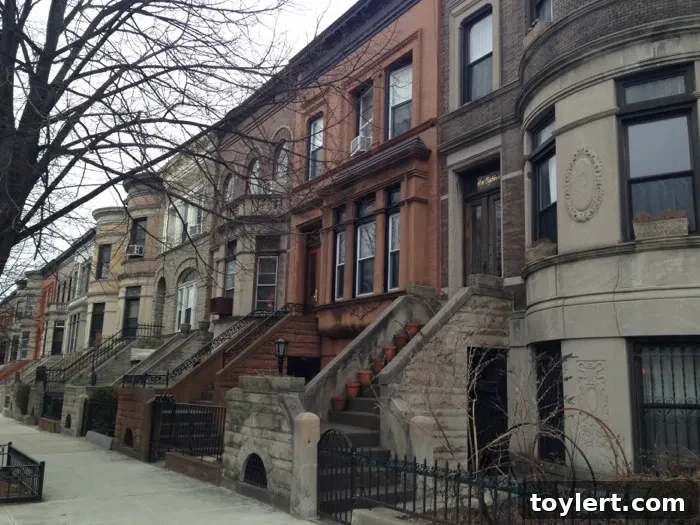
Brooklyn’s Dynamic Pulse: A Snapshot of Urban Transformation, Community Challenges, and Cultural Flourishing in 2014
Brooklyn, a borough renowned for its relentless evolution and vibrant character, consistently captures the attention of residents, developers, and cultural enthusiasts alike. In March 2014, the borough was a crucible of change, reflecting broader urban trends while navigating its unique local challenges. From the shifting landscape of its commercial districts to critical discussions surrounding education, healthcare, and cultural identity, Brooklyn’s daily narrative was as diverse and compelling as its neighborhoods. This detailed look back explores the key headlines and underlying themes that shaped Brooklyn during this pivotal period, offering insights into its growth, resilience, and unwavering spirit.
The year 2014 marked a period where Brooklyn’s ascent as a prime destination was undeniable, yet it also brought to light the complexities inherent in rapid urbanization. This era saw a remarkable confluence of economic development, social discourse, and artistic innovation. Businesses, both large and small, were reconsidering their geographic footprints, often looking to Brooklyn as a more accessible and vibrant alternative to Manhattan. Meanwhile, community institutions faced significant hurdles, and the very fabric of neighborhoods was being reshaped by new construction and demographic shifts. The stories emanating from Brooklyn during this time paint a vivid picture of a borough in constant motion, adapting to the demands of progress while striving to maintain its distinct identity.
Real Estate and Urban Development: Navigating Growth and Transformation
Brooklyn’s real estate market in 2014 was a hotbed of activity, indicative of the borough’s growing appeal and the pressures it faced. One significant trend observed was the migration of businesses from Manhattan, driven by soaring rents. A notable example was the strategic move by a prominent independent bookstore, as highlighted by The New York Times. McNally Jackson’s decision to open a new location in Williamsburg underscored Brooklyn’s emergence as a viable cultural and commercial hub. This shift not only provided a new home for beloved institutions but also symbolized Williamsburg’s transformation into a major destination for retail and leisure, offering a unique blend of independent businesses and burgeoning cultural attractions.
Beyond retail, commercial real estate transactions continued to shape Brooklyn’s economic landscape. An important transaction in Carroll Gardens, reported by The New York Times, signaled sustained investor confidence and evolving property values in the borough. This commercial deal in Carroll Gardens was indicative of the increasing demand for commercial spaces in established Brooklyn neighborhoods, reflecting their appeal to businesses seeking a strong community presence and growing customer base.
The residential market also saw remarkable activity, with reports of condo records being broken across the borough. This trend, captured by BK to the Fullest, highlighted the surging prices and fierce competition in Brooklyn’s luxury condominium market. The breaking of these records pointed to an influx of high-net-worth buyers and investors, further signaling the borough’s rapid gentrification and its emergence as a premier residential destination in New York City. This era witnessed a growing chasm between the rising cost of living and the accessibility for long-term residents, a topic that frequently fueled community discussions.
Urban planning and infrastructure projects were also central to Brooklyn’s ongoing transformation. In Red Hook, the approval for the construction of a controversial private school, as reported by DNAinfo, sparked considerable debate. Such developments often bring much-needed investment and educational opportunities but can also raise concerns among existing residents about displacement, changes to neighborhood character, and the prioritization of private over public resources. These discussions underscore the constant tension between growth and preserving community identity within Brooklyn’s diverse neighborhoods.
Similarly, public space initiatives, while generally welcomed, faced their own set of challenges. The delay in construction for the Myrtle Avenue Plaza project in Clinton Hill, also reported by DNAinfo, illustrated the complexities inherent in large-scale urban development. Delays in such projects can impact local businesses, traffic flow, and residents’ access to public amenities, emphasizing the intricate coordination required to bring these transformative visions to fruition. These issues highlight the daily realities of urban planning and construction in one of the world’s most dynamic cities.
Community and Social Fabric: Addressing Challenges and Upholding Values
Beyond the tangible structures of real estate, Brooklyn’s social fabric faced its own set of critical issues. Education, a cornerstone of any community, came under scrutiny in Bed Stuy when a fired social worker alleged racial bias in a charter school, according to the NY Post. This serious allegation brought to the forefront ongoing debates about equity, fairness, and systemic challenges within the educational system, particularly in communities of color. Such incidents prompt vital conversations about institutional accountability and the imperative to foster inclusive and supportive environments for all students and staff.
Healthcare access and the stability of community institutions were also pressing concerns. The news that Interfaith Medical Center had filed a plan to exit bankruptcy, reported by Crain’s, offered a glimmer of hope amidst a period of considerable uncertainty for the institution. The struggles of Interfaith Medical Center underscored the broader challenges faced by community hospitals in maintaining financial viability while serving vulnerable populations. The potential closure or significant restructuring of such vital facilities often has profound implications for public health and access to care within the surrounding neighborhoods.
Arts, Culture, and Local Economy: Brooklyn’s Creative Heartbeat
Brooklyn has long been celebrated as a global epicenter of creativity, and 2014 was no exception. The borough’s vibrant arts scene continued to thrive, showcasing new talent and unique perspectives. Rising filmmaker Eliza Hittman was recognized for portraying a more authentic Brooklyn—one distinct from the popularized, often caricatured version seen on shows like “Girls”—as featured in Paper Mag. Hittman’s work represented a commitment to capturing the genuine grit, beauty, and complexity of Brooklyn life, resonating with those who sought narratives reflecting the borough’s diverse communities and untold stories. This commitment to nuanced storytelling further cemented Brooklyn’s reputation as a fertile ground for independent artists seeking to challenge mainstream representations.
The local economy was also bolstered by Brooklyn’s flourishing maker movement and artisanal culture. A website dedicated to aggregating home decor items handmade in Brooklyn, highlighted by Brooklyn Based, showcased the borough’s entrepreneurial spirit and commitment to local craftsmanship. This initiative not only supported local artists and small businesses but also catered to a growing consumer demand for unique, high-quality, and locally sourced products. Brooklyn’s robust ecosystem of independent designers and craftspeople contributed significantly to its distinctive character and economic vitality, fostering a culture of innovation and community-driven commerce.
Conclusion: The Enduring Spirit of a Borough in Flux
The collection of headlines from March 2014 offers a comprehensive, albeit brief, glimpse into the multifaceted life of Brooklyn. It was a time of immense opportunity and significant challenge, where economic booms coexisted with social anxieties, and cultural vibrancy illuminated urban development debates. From the strategic relocation of beloved bookstores to the fierce discussions surrounding educational equity and the resilient spirit of local artists, Brooklyn continued its journey as a borough of contrasts and dynamism.
These stories are not merely historical footnotes; they are foundational chapters in the ongoing narrative of Brooklyn’s transformation. They underscore the borough’s enduring capacity for reinvention, its unwavering commitment to its diverse communities, and its undeniable status as a global urban trendsetter. As Brooklyn continues to evolve, these historical snapshots serve as powerful reminders of the complex forces that have shaped its past and continue to define its promising future, ensuring that its pulse remains as strong and vibrant as ever.