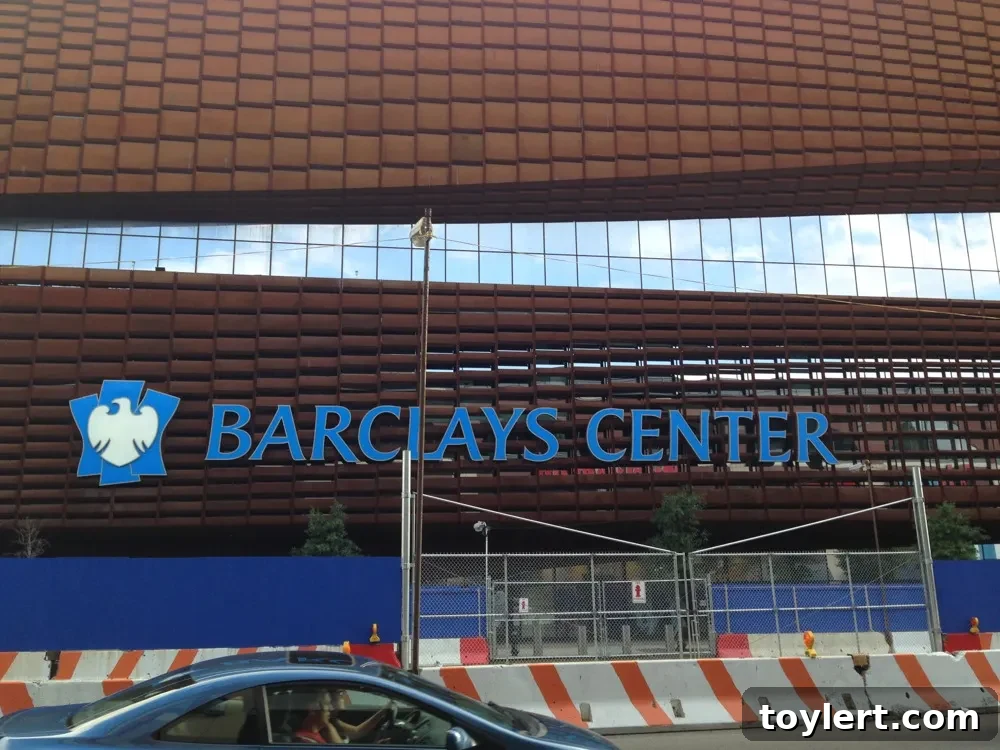
Barclays Center’s Evolving Impact: A Two-Year Retrospective on Brooklyn’s Local Businesses
The grand opening of a major sports and entertainment venue often arrives with promises of economic revitalization, drawing new visitors and injecting vibrancy into local economies. Two years after the doors of Barclays Center swung open in Brooklyn, the reality for the surrounding businesses has proven to be a complex tapestry of both triumphs and tribulations. While the arena has undoubtedly reshaped the Flatbush Avenue landscape, its impact on the existing commercial ecosystem has been a double-edged sword, leading to significant changes that demand a closer look.
Initial hopes for a universal boom were tempered by the closure of approximately 100 local businesses in the immediate vicinity. This stark figure highlights the immense pressure and challenges faced by independent shops and eateries when a massive development arrives, often accompanied by rising rents, increased competition, and a shifting customer demographic. Simultaneously, the area has welcomed well-known national chains, transforming the retail and dining scene. Establishments like Shake Shack have become new fixtures on Flatbush Avenue, and with Doughnut Plant and Patsy’s Pizza slated to open, the trend towards larger, recognized brands continues to solidify.
The Challenges for Small Businesses: Navigating a New Landscape
For many small, independent businesses, the arrival of Barclays Center presented an existential crisis. These establishments, often deeply rooted in the community and catering to a local clientele, suddenly found themselves in an environment fundamentally altered by the influx of hundreds of thousands of event-goers annually. The factors contributing to the closures are multifaceted:
- Increased Operating Costs: Property values and commercial rents often skyrocket in the wake of major urban development projects. For small businesses operating on thin margins, these sudden increases can be unsustainable, forcing them to close or relocate to less prime areas.
- Intensified Competition: The arrival of national chains brings formidable competition. These larger entities often possess significant marketing budgets, established brand recognition, and robust supply chains, making it challenging for smaller, independent shops to compete on price, variety, or even visibility.
- Shifting Customer Demographics: The patrons attending games and concerts often have different spending habits and needs than the traditional local residents. Businesses unable to adapt their offerings, pricing, or operational hours to cater to this new, transient customer base might struggle to maintain relevance.
- Logistical Hurdles: Increased traffic, noise, and parking difficulties associated with major events can, paradoxically, deter regular local customers who find it inconvenient to access their favorite spots on event days.
- Lack of Resources for Adaptation: Small businesses typically lack the capital for significant renovations, aggressive marketing campaigns, or extensive market research needed to strategically pivot in response to such monumental changes.
The loss of 100 businesses within two years is a sobering statistic, representing not just economic failure but also the erosion of local character and community staples that often define a neighborhood’s unique identity.
Adaptation and Innovation: The Path to Survival and Success
While the challenges were significant, the narrative isn’t solely one of decline. The same report in the Commercial Observer highlighted that some small businesses have not only survived but prospered by strategically learning how to capitalize on the unique opportunities presented by game nights and concerts. Their success stories underscore the importance of adaptability, entrepreneurial spirit, and a keen understanding of the new market dynamics.
One shining example of this resilience is Cake Ambiance, a five-year-old dessert shop located at 452 Dean Street. Its owner reported a remarkable 20 to 40 percent increase in foot traffic since Barclays Center opened. This significant boost wasn’t merely coincidental; it was the result of a deliberate and intelligent strategy. By offering free samples on game nights, Cake Ambiance actively lured customers from the arena, turning transient event-goers into potential patrons. This simple yet effective marketing tactic demonstrates several key principles for small business success near large venues:
- Proximity as an Asset: Recognizing that their location near the arena was an advantage, not a hindrance.
- Understanding Impulse Purchases: Event attendees are often looking for quick, satisfying treats before or after an event. Free samples create an immediate connection and encourage impulse buying.
- Targeted Marketing: Instead of broad advertising, the strategy was highly focused on the specific demographic and timing of arena events.
- Exceptional Product: While samples draw people in, the quality of the dessert likely ensures repeat business and positive word-of-mouth.
- Flexibility in Operations: Adjusting staffing, inventory, and potentially even hours to accommodate the surges of customers on event nights.
The success of Cake Ambiance serves as a powerful testament to the idea that with the right strategy, small businesses can carve out a thriving niche even amidst intense competition and rapid urban change. It highlights the importance of observing new customer flows, understanding their needs, and developing creative ways to engage them.
The Role of National Chains: Reshaping Commercial Identity
The arrival of chains like Shake Shack, Doughnut Plant, and Patsy’s Pizza is indicative of a broader trend often associated with major urban revitalization projects. These brands bring with them:
- Brand Recognition: They offer familiarity and consistency, which can be appealing to out-of-town visitors and even locals who appreciate reliable options.
- Economic Investment: Their establishment represents significant investment in the area, creating jobs and filling commercial spaces.
- Enhanced Infrastructure: Often, new developments are accompanied by improvements in public spaces, streetscapes, and infrastructure, making the area more attractive for both residents and businesses.
However, their proliferation also raises questions about commercial identity and gentrification. While they add to the diverse dining and retail options, they can also displace independent establishments and contribute to a more homogenized urban landscape, potentially eroding the unique character that initially drew people to neighborhoods like those surrounding Barclays Center. The balance between attracting large-scale investment and preserving the authenticity of a local community remains a critical challenge for urban planners and residents alike.
Beyond Two Years: A Glimpse into the Future of Flatbush Avenue
The two-year mark offers a valuable snapshot, but the story of Barclays Center’s impact is ongoing. The Flatbush Avenue area, and Brooklyn as a whole, continues to evolve rapidly. For existing and new small businesses, continued success will likely depend on several factors:
- Community Engagement: Businesses that actively engage with the local community, participate in neighborhood events, and foster a sense of belonging are more likely to build a loyal customer base that extends beyond event nights.
- Niche Marketing: Identifying and serving specific unmet needs of either the local population or the arena visitors can create sustainable revenue streams.
- Collaboration: Forming alliances with other local businesses, or even with the arena itself, could lead to synergistic marketing efforts and shared opportunities.
- Online Presence: In today’s digital age, a strong online presence, including social media engagement and online reviews, is crucial for visibility and attracting both local and visiting customers.
- Advocacy and Support: The role of local government and community organizations in providing support, resources, and advocacy for small businesses will be vital in ensuring a diverse and resilient commercial ecosystem.
The journey of businesses around Barclays Center reflects a microcosm of the broader challenges and opportunities presented by large-scale urban development. It underscores that while such projects can bring undeniable economic benefits, their success in fostering sustainable, equitable growth depends heavily on the resilience and adaptability of local entrepreneurs, coupled with thoughtful urban planning that prioritizes the preservation of community character and supports independent commerce.
Conclusion: The Dynamic Evolution of Brooklyn’s Economic Landscape
Two years after its inauguration, Barclays Center has undeniably cemented its place as a major landmark in Brooklyn, attracting millions and reshaping the surrounding commercial fabric. The experience has been a telling lesson in the dynamic interplay between large-scale development and local enterprise. While the initial wave saw many independent businesses succumb to the pressures of change, others, like Cake Ambiance, demonstrated remarkable ingenuity and strategic adaptation, turning new challenges into unprecedented opportunities for growth. The narrative is not one of simple victory or defeat, but rather of a complex, ongoing evolution.
As Flatbush Avenue continues its transformation, the key takeaway remains clear: the success of small businesses in the shadow of urban giants hinges on their ability to understand, adapt to, and strategically engage with their rapidly changing environment. The ongoing balance between established chains and thriving local businesses will ultimately define the character and economic health of this vibrant Brooklyn neighborhood for years to come, illustrating the continuous interplay between global forces and local resilience.
For more insights into the initial impact on local businesses, refer to the report by the Commercial Observer.