Exploring Brooklyn’s Dynamic Landscape: News, Culture, and Community Updates
Brooklyn, a borough renowned for its vibrant communities, rich history, and ever-evolving landscape, continues to captivate residents and visitors alike. From green spaces offering serene escapes to bustling neighborhoods undergoing significant transformation, Brooklyn is a microcosm of urban dynamism. This article delves into recent headlines and ongoing developments across the borough, highlighting the community spirit, cultural richness, and continuous growth that define Brooklyn.
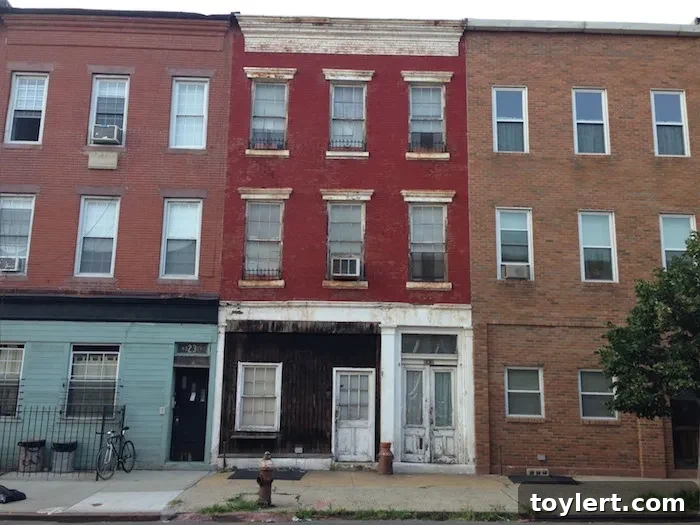
The image above, depicting a scene from Greenpoint, subtly hints at the layers of history and progress that coexist in Brooklyn. Greenpoint, like many other neighborhoods, embodies a blend of industrial heritage and contemporary living, a characteristic thread running through the borough’s narrative. This blend is evident in the diverse range of news emerging from its various corners, touching upon leisure, public service, cultural preservation, economic development, and more.
Community & Recreation: Enhancing Brooklyn Living
Free Rides on the Prospect Park Carousel Every Thursday in August
Prospect Park, often hailed as Brooklyn’s premier green oasis, consistently offers activities that strengthen community bonds and provide joy for families. One such cherished tradition is the provision of free rides on its historic carousel every Thursday throughout August. This initiative, often highlighted by local news outlets like South Slope News, underscores the park’s role as a communal hub. The carousel, an iconic feature of Prospect Park, dates back to 1912 and features 53 hand-carved horses, a lion, a giraffe, and a deer. Offering free rides is more than just a gesture; it’s a commitment to accessibility and ensuring that all families, regardless of economic background, can experience the magic and nostalgia of this timeless attraction. Such programs foster a sense of inclusivity, drawing diverse groups of people to enjoy the park’s offerings, from its sprawling meadows to its historic architectural gems. These events are crucial for urban dwellers, providing much-needed recreational opportunities and a chance to connect with neighbors in a relaxed, joyful setting. They exemplify how Brooklyn’s public spaces serve as vital arteries for community life, blending historical charm with contemporary needs for entertainment and relaxation.
Volunteer at Cobble Hill Park
Community engagement is a cornerstone of Brooklyn’s identity, and nowhere is this more apparent than in its neighborhood parks. The Cobble Hill Association frequently calls upon residents to volunteer their time and effort at Cobble Hill Park, typically on Tuesdays. These volunteer days are fundamental to maintaining the beauty and functionality of local green spaces. Participants engage in various tasks, from gardening and litter removal to general upkeep, directly contributing to the park’s health and aesthetic appeal. Volunteering offers numerous benefits beyond simply maintaining public spaces; it cultivates a strong sense of ownership and pride among residents. It provides an opportunity for neighbors to connect, share a common goal, and build stronger community ties. For children, it can instill an early appreciation for civic responsibility and environmental stewardship. Cobble Hill Park, like many others in Brooklyn, relies on this grassroots support to remain a pristine sanctuary for recreation, relaxation, and community gatherings. This commitment to local stewardship is a testament to Brooklynites’ dedication to their shared environment and the quality of life within their neighborhoods.
Civic Engagement & Public Service: Strengthening Brooklyn’s Foundations
Pol Opens Mobile Legal Help Center in Sunset Park
Access to justice is a critical component of a fair and equitable society, and local leaders in Brooklyn are actively working to ensure their constituents have the support they need. The Brooklyn Eagle reported on a significant initiative in Sunset Park: the opening of a mobile legal help center by a local politician. This center aims to bring essential legal services directly to residents, addressing a common barrier—the difficulty of accessing legal aid due to location, time constraints, or lack of awareness. Mobile centers are particularly effective in diverse neighborhoods like Sunset Park, where language barriers and varied socioeconomic backgrounds can make navigating the legal system daunting. Such initiatives typically offer free consultations on a range of issues, including housing, immigration, employment, and family law. By providing accessible legal advice, these centers empower individuals to understand their rights and pursue legal recourse when necessary. This proactive approach to public service highlights a commitment to civic welfare and demonstrates how local governance can directly impact and improve the lives of its community members, fostering a more informed and protected populace.
Preparedness Urged for Coastal Residents as Hurricane Season Approaches
Given Brooklyn’s extensive coastline, particularly in areas like Coney Island, Sheepshead Bay, and Red Hook, hurricane preparedness is an annual imperative. Brooklyn Brief frequently publishes advisories urging coastal residents to take necessary precautions as hurricane season approaches. These warnings are vital for public safety, drawing on lessons learned from past extreme weather events that have impacted the borough. Preparedness efforts typically include encouraging residents to create emergency kits, develop evacuation plans, secure their properties, and stay informed about weather advisories issued by local authorities. Public awareness campaigns often emphasize the importance of having enough food, water, and essential supplies for several days, as well as knowing designated evacuation routes and shelters. For a densely populated urban area, effective disaster preparedness requires robust communication channels and community cooperation. These calls to action reflect a proactive approach to mitigating potential harm and ensuring the resilience of Brooklyn’s coastal communities in the face of natural disasters, highlighting the continuous effort to protect residents and infrastructure.
Culture, Art & Literature: Brooklyn’s Creative Heartbeat
Nine Great Novels Set in Brooklyn, and Where in Brooklyn to Read Them
Brooklyn’s indelible mark on literature is undeniable, serving as both a setting and an inspiration for countless stories. Brokelyn, a popular local platform, often celebrates this literary heritage by compiling lists like “Nine Great Novels Set in Brooklyn, and Where in Brooklyn to Read Them.” This kind of feature not only introduces readers to iconic works but also encourages them to explore the borough through a literary lens. Brooklyn has been the backdrop for tales of immigration, class struggles, coming-of-age narratives, and profound urban experiences, penned by literary giants and emerging voices alike. Authors such as Paul Auster, Jonathan Lethem, and Betty Smith have beautifully captured the essence of Brooklyn’s streets, brownstones, and diverse communities. The article cleverly suggests specific locations within Brooklyn that resonate with the themes or settings of these novels, turning reading into an immersive, geographical experience. This approach enriches the reader’s understanding of both the literature and the borough itself, fostering a deeper appreciation for Brooklyn’s unique cultural tapestry and its enduring legacy as a muse for storytelling.
In Conversation With Polish Crochet Artist Olek
Brooklyn’s art scene is as diverse and eclectic as its population, with Greenpoint, in particular, being a hub for creative expression. Greenpointers, a dedicated neighborhood news source, regularly spotlights local artists, bringing their unique stories and works to the forefront. One notable feature highlighted a conversation with Olek, a renowned Polish crochet artist. Olek is known globally for her vibrant and often politically charged yarn-bombing installations, which transform everyday objects and public spaces into colorful, intricately crocheted works of art. Her work challenges conventional notions of public art and craft, using crochet as a medium for social commentary and personal expression. This interview provided insights into her creative process, inspirations, and the philosophical underpinnings of her work, which often explores themes of femininity, transformation, and urban intervention. Such profiles not only celebrate individual talent but also underscore Brooklyn’s role as a fertile ground for innovative and boundary-pushing artists. They showcase the borough’s dynamic cultural landscape, where global artistic influences converge with local narratives to create a truly unique creative environment.
Urban Development & Real Estate: Shaping Brooklyn’s Future
Prosperity Rides Rails of L Train
The L train, a vital artery connecting Manhattan with North Brooklyn, has long been a key driver of economic and demographic shifts in neighborhoods like Williamsburg, Bushwick, and Canarsie. Crain’s New York Business often examines the intricate relationship between transportation infrastructure and urban development, as seen in their piece titled “Prosperity Rides Rails of L Train.” This article likely explored how the L train’s accessibility has fueled a surge in real estate development, gentrification, and an influx of new businesses and residents along its route. The convenience of the L train has transformed once-industrial areas into sought-after residential and commercial zones, leading to soaring property values and a rapid change in neighborhood character. While this brings economic prosperity and new amenities, it also raises questions about affordability, displacement, and the preservation of long-standing communities. Understanding the impact of the L train is crucial for anyone interested in Brooklyn’s ongoing evolution, as it vividly illustrates the complex interplay between infrastructure, investment, and urban social fabric. The narrative around the L train encapsulates the broader story of Brooklyn’s transformation from industrial heartland to a global cultural and economic center.
Construction Update: 81 Fleet Place
Downtown Brooklyn is a focal point of intense urban redevelopment, characterized by a burgeoning skyline and a constant stream of new construction projects. New York YIMBY (Yes In My Backyard), a publication dedicated to urban planning and real estate development, regularly provides “Construction Updates” for significant projects across the city, including 81 Fleet Place. These updates offer valuable insights into the progress of major residential, commercial, or mixed-use developments, detailing architectural plans, projected completion dates, and the impact on the surrounding urban environment. 81 Fleet Place is likely part of the larger revitalization effort in Downtown Brooklyn, which aims to create a denser, more vibrant urban core with increased housing options, retail spaces, and public amenities. These projects reflect Brooklyn’s continued growth as a desirable place to live and work, attracting new residents and businesses. However, they also prompt discussions about infrastructure capacity, neighborhood character, and the balance between development and community needs. Tracking these construction updates provides a clear picture of the physical transformation underway, illustrating how Brooklyn is literally building its future, brick by brick and beam by beam, shaping the borough’s silhouette for decades to come.
Gourmet Groceries Coming to Grand Avenue in Clinton Hill
The arrival of new businesses, especially those focusing on food and beverage, often signals a shift in a neighborhood’s economic vitality and lifestyle offerings. Fort Greene Focus reported on the exciting news of gourmet groceries, a craft beer bar, and more coming to Mekelburg’s at 293 Grand Avenue in Clinton Hill. This development is significant for several reasons. Firstly, it caters to an increasing demand for high-quality, specialty food products and diverse culinary experiences within the neighborhood. The inclusion of a craft beer bar further enhances the social and entertainment options for residents, creating a new local gathering spot. Secondly, such establishments can become community anchors, drawing foot traffic and fostering a vibrant street-level economy. For Clinton Hill, a neighborhood known for its historic brownstones and artistic community, the addition of a gourmet grocer and bar speaks to its evolving demographic and changing consumer preferences. It reflects a broader trend across Brooklyn, where communities are embracing elevated retail and dining experiences that complement their unique character. This kind of business opening contributes to the overall quality of life, making the neighborhood more attractive and convenient for its residents.
Remembrance & Identity: Honoring Brooklyn’s Past and Present
Families Gather to Remember Firefighters Killed in 1978 Fire in Sheepshead Bay
Brooklyn’s history is marked by moments of tragedy and heroism, and remembering those who made the ultimate sacrifice is a solemn and important community tradition. Sheepshead Bites documented a poignant gathering in Sheepshead Bay where families convened to remember six firefighters who lost their lives in the devastating 1978 Waldbaum’s fire. This annual commemoration serves as a powerful reminder of the bravery of first responders and the profound impact of their service on the community. Such events are crucial for historical preservation, ensuring that the sacrifices made are never forgotten by subsequent generations. They also provide a space for grieving families and fellow firefighters to find solace and reaffirm their bonds. The Waldbaum’s fire, a significant event in Brooklyn’s history, highlights the dangers faced by firefighters and the collective resilience of a community in the face of immense loss. These acts of remembrance strengthen the social fabric, uniting residents in shared memory and honoring the heroes who protect their neighborhoods. It underscores a deep sense of respect and gratitude that runs through the heart of Brooklyn’s communities.
Take a Look Inside Brooklyn Heights’ New Jack the Horse Next Door
New businesses are not just economic ventures; they often become integral parts of a neighborhood’s identity and social scene. The Brooklyn Heights Blog often provides glimpses into the latest additions to the borough’s diverse retail and dining landscape, as seen in its feature, “Take a Look Inside Brooklyn Heights’ New Jack the Horse Next Door.” This article likely offered an exclusive preview of a new establishment, perhaps a restaurant, cafe, or boutique, giving readers a taste of its ambiance, offerings, and unique selling points. For a historic and sophisticated neighborhood like Brooklyn Heights, new businesses must align with its refined character while also bringing fresh energy. Such features are invaluable for residents looking to explore new local options and for visitors seeking authentic Brooklyn experiences. They contribute to the vibrant local economy, create jobs, and offer residents more choices for dining, shopping, and socializing. The success and integration of new businesses like “Jack the Horse Next Door” are key indicators of a neighborhood’s vitality and its capacity to evolve while retaining its distinct charm, further solidifying Brooklyn’s reputation as a borough of endless discovery and local delights.
Alternate Names for the Neighborhood Unfortunately Referred to as “Quooklyn” by the NYT
The naming of neighborhoods and the debate surrounding them often reveal deeper insights into urban identity, media influence, and local pride. The Awl published a humorous yet thought-provoking piece ranking “Alternate Names for the Neighborhood Unfortunately Referred to as ‘Quooklyn’ by the New York Times.” This article likely poked fun at the media’s tendency to coin new, sometimes awkward, portmanteau names for emerging or gentrifying areas, especially those blurring the lines between Queens and Brooklyn. The term “Quooklyn” itself, while perhaps a convenient shorthand for certain geographic overlaps, often sparks debate among residents who feel it undermines the distinct identities of their respective boroughs and neighborhoods. The Awl’s approach, by suggesting and ranking alternatives, playfully highlights the importance of nomenclature in shaping perception and identity. It underscores how deeply residents identify with their specific localities and how resistant they can be to external attempts to redefine their sense of place. This kind of commentary reflects Brooklyn’s strong community ties and a shared desire to preserve its unique character against arbitrary labels, emphasizing the borough’s strong sense of self and its rich tapestry of distinct communities.
Conclusion: Brooklyn’s Unfolding Story
From the serene walks in Prospect Park to the bustling construction sites shaping its skyline, and from the quiet remembrance of heroes to the vibrant expressions of its artists, Brooklyn is a borough in constant motion. These diverse news stories paint a picture of a community that is deeply rooted in its history yet relentlessly forging ahead. It’s a place where civic engagement thrives, culture flourishes, and the spirit of resilience defines its character. As Brooklyn continues to evolve, its communities remain dedicated to preserving its unique identity while embracing the opportunities of the future. The headlines, whether focusing on local events, urban development, or cultural milestones, collectively tell the unfolding story of a borough that truly has something for everyone, embodying the dynamic and diverse spirit of New York City.