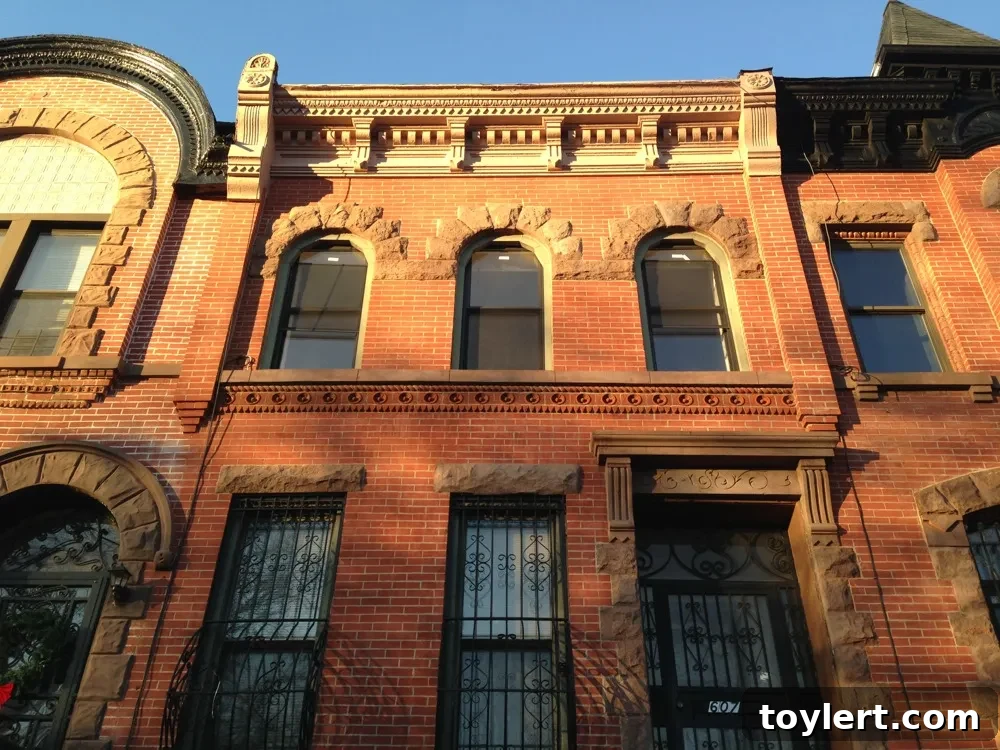
Brooklyn, a borough synonymous with vibrant culture, dynamic real estate, and ongoing urban evolution, continues to be a focal point for captivating narratives. From the intimate struggles of local businesses adapting to rapid change to large-scale development projects reshaping skylines, Brooklyn’s story is a complex tapestry of progress, preservation, and community spirit. This collection of recent headlines offers a snapshot into the diverse forces at play, illustrating how residents, entrepreneurs, and developers are collectively shaping the future of this iconic New York City borough. Each piece reflects a facet of Brooklyn’s identity, highlighting the delicate balance between maintaining its unique character and embracing inevitable transformation.
One of the most pressing issues in Brooklyn today is the pervasive discussion around gentrification and its impact on established communities and businesses. The question of who truly belongs and who benefits from urban revitalization is eloquently captured in a New York Times piece that asks: “Chocolate Factory in Brooklyn Asks: What, Us? Gentrifiers?” This article delves into the internal dialogue of businesses finding themselves at the epicenter of neighborhood change, grappling with their role in a shifting social and economic landscape. It highlights the nuanced perspective that not all new arrivals or establishments view themselves as agents of displacement, yet their presence undeniably contributes to the evolving demographics and affordability challenges faced by long-time residents. This introspection is crucial for understanding the human element behind the broad term “gentrification.”
Further exploring the theme of community adaptation and resistance, another insightful New York Times article illuminates the efforts to maintain local identity in the face of external pressures. “At Sunset Park Bowling Alley, Finding an Impetus for Autonomy” details how a cherished local institution becomes a symbol for community self-determination. In neighborhoods like Sunset Park, where cultural institutions and affordable spaces are increasingly threatened by rising rents and development, the fight to preserve such landmarks becomes a rallying cry. These spaces are not just venues; they are vital arteries for social connection, cultural expression, and the collective memory of a community. The narrative underscores the resilience and ingenuity of residents and business owners striving to protect their heritage and ensure their voices are heard amidst the clamor of change.
Beyond the broader urban trends, individual stories of local businesses demonstrate remarkable perseverance and entrepreneurial spirit. The devastating experience of losing a business to fire can be soul-crushing, yet for one establishment in Ditmas Park, it became a test of its resolve and community ties. As reported by the NY Daily News, a “Burned Ditmas Park Bar Hopes to Rise From Ashes.” This story is a testament to the strong bonds within Brooklyn neighborhoods, where residents often rally around beloved local spots, offering support that extends beyond financial aid to emotional encouragement. Such narratives underscore the critical role these establishments play as community anchors, not just places of commerce but as social hubs that foster connection and belonging. Their recovery often symbolizes the community’s own strength and determination.
The retail landscape in Brooklyn is also in constant flux, adapting to new demographics and consumer preferences. Even established institutions are evolving, as evidenced by the Salvation Army’s strategic move in Greenpoint. A NY Daily News piece reveals how the “Salvation Army Restyles Greenpoint Thrift for Trendy Nabe.” This reflects a broader trend where businesses, even non-profits, must innovate and align with the aesthetic and demands of an increasingly fashionable and affluent populace. It’s a delicate dance between maintaining accessibility and appealing to a new market, all while navigating the rapidly changing face of neighborhoods like Greenpoint, which has seen significant transformation over the past decade. This adaptability ensures continued relevance and financial viability for essential services.
Meanwhile, the entrepreneurial spirit thrives across Brooklyn, with new ventures emerging to cater to the borough’s diverse and evolving tastes. Crown Heights, a neighborhood that has witnessed considerable growth and demographic shifts, welcomed a new culinary establishment with open arms. The NY Daily News reported that a “Stylist, Music Exec Open Crown Heights’ Crabby Shack.” This story exemplifies the dynamic entrepreneurial ecosystem in Brooklyn, where individuals with diverse professional backgrounds are leveraging their passion and vision to contribute to the local economy and culture. The opening of new restaurants and specialty shops not only creates jobs but also enriches the culinary scene, offering residents new dining experiences and further solidifying Brooklyn’s reputation as a foodie destination. These establishments become new gathering places, contributing to the fabric of their respective communities.
The pace of urban development and its potential impact on quality of life remains a hot topic, particularly in historic districts. In Brooklyn Heights, a community deeply proud of its architectural heritage and iconic views, residents actively mobilized to protect their surroundings. The Brooklyn Eagle covered the extensive community engagement, stating “Brooklyn Heights “Save the View Now” Meeting Draws Large Crowd.” This powerful display of civic activism underscores the strong desire of residents to have a voice in urban planning decisions that directly affect their daily lives and the long-term character of their neighborhood. Protecting historic views and maintaining the integrity of cherished urban landscapes is a constant struggle against the pressures of high-rise development, highlighting the ongoing tension between progress and preservation in a densely populated city like New York.
The real estate market continues its relentless churn, particularly with conversions that reshape housing availability and affordability. Park Slope, known for its elegant brownstones and tree-lined streets, experienced a significant shift in its housing inventory as reported by Curbed: “Rental-to-Condo Conversion in Park Slope Launches Sales.” Such conversions often remove affordable rental units from the market, replacing them with higher-priced ownership opportunities, thereby impacting the socio-economic diversity of the area. This trend is a consistent feature of Brooklyn’s real estate narrative, reflecting the demand for homeownership in desirable areas and the continuous evolution of housing stock. It also contributes to the ongoing debate about housing equity and access within the borough.
New construction projects are simultaneously transforming the borough’s landscape, catering to both residential and commercial needs. East Williamsburg, an area undergoing significant revitalization, saw the reveal of a new rental development. 6sqft detailed how a “New East Williamsburg Rental 66 Ainslie Street Aims for Ubiquitous Factory Look.” This architectural trend, blending modern amenities with industrial aesthetics, is common in many revitalized factory districts. It speaks to a conscious effort by developers to integrate new buildings into the historical context of their surroundings while providing contemporary living spaces. These developments are crucial for accommodating Brooklyn’s growing population, but they also raise questions about architectural authenticity and the rapid transformation of formerly industrial zones into residential enclaves.
Further demonstrating the scale of ongoing development, large projects are continuously being proposed and permitted across various Brooklyn neighborhoods. New York YIMBY reported on the “Permits Filed for Large Borough Park Development at 1560 60th Street.” These filings signify the constant expansion and densification of Brooklyn, with projects ranging from residential buildings to mixed-use complexes. Such large-scale developments are essential for urban growth, providing much-needed housing and commercial spaces, but they also necessitate careful planning to manage increased traffic, pressure on existing infrastructure, and the potential for altering neighborhood character. The borough’s future skyline and urban fabric are being shaped by these ambitious undertakings, reflecting a relentless drive for modernization and expansion.
Amidst all the development and demographic shifts, Brooklyn’s local entrepreneurial spirit continues to surprise and innovate, sometimes resurrecting industries from the past. Bushwick, a neighborhood known for its artistic energy and burgeoning creative scene, celebrated a significant milestone. DNAinfo announced that the “First Brewery Since 1976 Opens in Bushwick.” This opening marks a renaissance for local manufacturing and craftsmanship, tapping into the growing demand for artisanal products and local experiences. It signifies not just a new business but a revitalization of a historical industry within the borough, further diversifying its economic base and offering unique local flavors. Such ventures contribute to the authenticity and allure of Brooklyn, reinforcing its reputation as a hub for creativity, innovation, and community-driven commerce.
In conclusion, these diverse headlines paint a vivid picture of Brooklyn as a borough in perpetual motion. It’s a place where history meets modernity, where community activism confronts development pressures, and where entrepreneurial dreams take root amidst complex socio-economic currents. From the poignant discussions on gentrification to the triumphant return of local businesses and the relentless march of real estate development, Brooklyn embodies the essence of urban evolution. Its narrative is a dynamic interplay of challenges and opportunities, constantly shaped by the collective efforts and individual stories of its vibrant residents and businesses. Understanding these facets is key to appreciating the rich, ever-changing identity of one of New York City’s most iconic boroughs.