Exploring Brooklyn’s Dynamic Landscape: Real Estate, Culture, and Community Insights
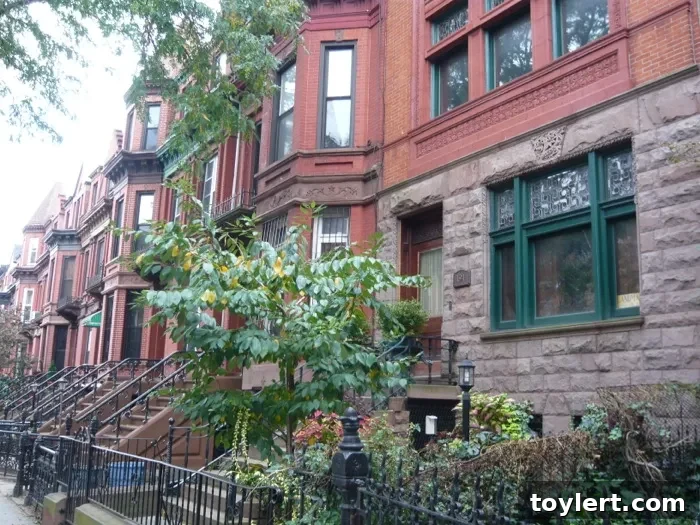
Brooklyn, New York City’s most populous borough, is a vibrant tapestry of diverse neighborhoods, rich history, and continuous evolution. From its iconic brownstones and tree-lined streets to its bustling commercial corridors and burgeoning creative scenes, Brooklyn consistently offers a compelling narrative of urban life. This comprehensive roundup delves into the significant headlines shaping Brooklyn and the wider New York City area, highlighting key trends in real estate, community developments, cultural events, and economic shifts. Whether you’re a long-time resident, a potential new arrival, or simply an admirer of New York’s unique spirit, these insights paint a vivid picture of a borough constantly reinventing itself while holding true to its distinct identity.
Real Estate & Urban Development: The Evolving Skyline of Brooklyn and Beyond
The real estate market in New York City is a perpetual topic of discussion, reflecting the city’s dynamic growth and shifting demographics. Recent reports indicate a fascinating trend, suggesting that Queens is increasingly giving Brooklyn a run for its money in terms of desirability and investment. As Brooklyn’s property values continue to soar, driven by an insatiable demand, Queens is emerging as an attractive alternative, offering comparable amenities and diverse communities at a potentially more accessible price point. This competitive dynamic is a testament to the continued expansion and decentralization of appeal across the city’s boroughs, challenging long-held perceptions of urban desirability.
A major player in Brooklyn’s ongoing transformation is the Atlantic Yards (now Pacific Park) project, where Chinese investors confidently projected its towers would be completed within eight years. This ambitious mega-development, comprising residential towers, commercial spaces, and the Barclays Center arena, has been a significant focal point for discussions on urban planning, gentrification, and the impact of large-scale foreign investment on local communities. Its progression continues to reshape the landscape of Downtown Brooklyn and Prospect Heights, promising a blend of modern living and increased density.
Adding to the borough’s appeal for high-net-worth individuals, renowned artist Daniel Colen recently made headlines by purchasing a $2.75 million duplex in a Brooklyn Heights townhouse. This acquisition underscores Brooklyn Heights’ enduring status as one of the city’s most coveted and picturesque neighborhoods, attracting not only established families but also figures from the art and culture world drawn to its historic charm, stunning waterfront views, and proximity to Manhattan.
Beyond the high-profile transactions, the broader housing market remains active, with properties like 379 Prospect Avenue in South Park Slope recently entering the market. Such listings highlight the continuous demand for residential spaces across Brooklyn’s diverse neighborhoods, from the historic grandeur of Park Slope to the burgeoning communities further afield. These smaller, individual properties are the backbone of Brooklyn’s residential character, reflecting constant turnover and the persistent allure of homeownership in the borough.
Finally, the visionary behind one of Brooklyn’s most beloved green spaces, the urban landscaper who designed Brooklyn Bridge Park, was recently celebrated. This waterfront park stands as a testament to transformative urban design, converting industrial piers into a verdant oasis that offers unparalleled views of the Manhattan skyline, diverse recreational opportunities, and a vital ecological habitat. Its success serves as a model for public space development and underscores the importance of thoughtful landscaping in enhancing urban living quality.
Community & Culture: The Heartbeat of Brooklyn and NYC Life
The spirit of New York City is perhaps best captured by its communal events, none more iconic than the New York City Marathon, an event truly for the elite and the average alike. This annual spectacle unites hundreds of thousands of runners and spectators from around the globe, traversing all five boroughs and showcasing the city’s incredible diversity and resilience. It’s a powerful symbol of human endeavor and community spirit, embodying the very essence of New York’s “can-do” attitude and collective celebration.
On the political front, the city’s dynamic was showcased by diverse neighborhoods exhibiting mixed enthusiasm about the New York City Mayor’s race. Elections in NYC are always a microcosm of national political discourse, amplified by the city’s incredibly varied demographics and myriad local issues. This report highlights how different communities, each with their unique concerns and priorities, engage with the democratic process, reflecting the complex political landscape of the world’s most diverse city.
In a somber local development, a driver was charged with negligent homicide in the tragic death of a 9-year-old boy in Fort Greene. This devastating incident brought to the forefront critical discussions about pedestrian safety, traffic enforcement, and community efforts to protect vulnerable residents, especially children, in bustling urban environments. Such events, while heartbreaking, often galvanize communities to demand greater accountability and safer public spaces.
On a more celebratory note, Brooklyn proudly sent its own to the national stage, as the Miss America 2013 Pageant winner from Brooklyn prepared to leave for Los Angeles. Mallory Hagan, a local talent, represented the borough’s vibrant spirit and ambition, embarking on a new chapter after her reign. Her story is an inspiration, demonstrating the diverse paths to success that originate from the streets of Brooklyn.
Capturing the intimate details of daily life, an evocative piece titled “Laundry Sherpas of Brooklyn” shed light on the unsung heroes who navigate the city’s bustling laundromats and dry cleaners. This fascinating glimpse into a common urban service highlights the dedication and hard work that underpins the convenience many New Yorkers take for granted, offering a human-centric perspective on the everyday rhythm of Brooklyn.
Further showcasing the human spirit’s boundless curiosity, a sociologist embarked on an epic quest to walk all 120,000 blocks of New York City. This ambitious endeavor offers a unique ethnographic study of the city, block by block, providing invaluable insights into its social geography, hidden gems, and the subtle nuances that define each neighborhood. Such personal journeys contribute significantly to our understanding of the urban fabric.
In the realm of public art and environmental consciousness, a floating “performance architecture” artwork was reported to be setting sail for the Gowanus Canal. This innovative project reflects Brooklyn’s thriving art scene and its growing focus on ecological regeneration, particularly in areas like the Gowanus, which is undergoing significant cleanup and revitalization efforts. Art installations like this draw attention to environmental issues while adding unique cultural dimensions to urban spaces.
Lastly, local activism proved effective as the City scratched a Williamsburg school cram plan at the eleventh hour. This decision underscores the power of community engagement in shaping local policy, particularly concerning education and resource allocation. It highlights the ongoing challenges of accommodating a growing population in densely packed neighborhoods and the importance of listening to residents’ voices in urban planning decisions.
Lifestyle & Local Economy: Taste, Design, and Entrepreneurship
Brooklyn’s reputation for innovative design and sophisticated living is further cemented by features like a hardworking Brooklyn kitchen designed by the acclaimed architect Annabelle Selldorf. This showcases how functionality, aesthetic appeal, and cutting-edge design converge in Brooklyn homes, reflecting a borough-wide commitment to quality living spaces that are both beautiful and practical. Selldorf’s work exemplifies the borough’s architectural prowess and its influence on contemporary design trends.
In the culinary world, Brooklyn continues to make its mark, with a bold declaration that it’s time to “move aside, Hershey, PA.: Brooklyn chocolate is where it’s at.” This statement champions Brooklyn’s burgeoning artisan food scene, particularly its craft chocolate makers who prioritize quality ingredients, unique flavors, and ethical sourcing. The borough has become a hub for small-batch producers, reinforcing its status as a culinary innovator and a destination for food enthusiasts.
However, the local economy also faces its share of challenges. A pertinent question was raised: Why are online sales slowing for Brooklyn’s small businesses? This inquiry delves into the complexities of e-commerce for local enterprises, exploring factors like increased competition, evolving consumer behaviors, and the digital divide. It prompts a vital discussion on how small businesses can adapt and thrive in an increasingly online-dominated retail landscape, emphasizing the need for robust local support and innovative digital strategies.
Conclusion: The Ever-Evolving Narrative of Brooklyn
From the towering ambitions of urban development and the pulse of city-wide events to the intimate stories of its residents and the innovations of its local businesses, Brooklyn remains a captivating subject. These headlines collectively paint a picture of a borough that is constantly in motion, facing challenges with resilience, celebrating successes with pride, and continually attracting new ideas and diverse communities. Brooklyn’s narrative is one of perpetual growth, cultural richness, and unwavering spirit, making it not just a place on the map, but a vibrant force in the global urban landscape. Stay tuned for more updates as this remarkable borough continues to write its story.