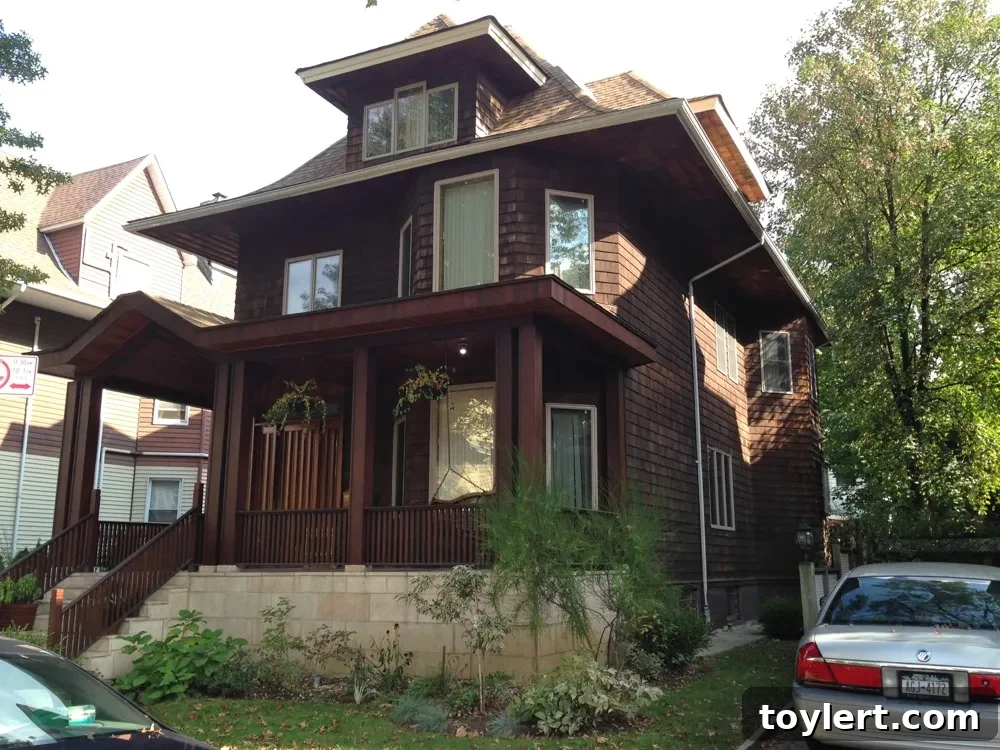
Brooklyn Buzz: Navigating the Latest Developments Across the Borough
Brooklyn, a borough renowned for its vibrant culture, diverse communities, and constant evolution, is a microcosm of New York City’s dynamic urban landscape. From its bustling streets to its serene green spaces, Brooklyn is always in motion, fostering innovation, confronting challenges, and celebrating its unique spirit. This comprehensive overview delves into recent headlines that capture the essence of Brooklyn’s current pulse, touching upon its arts scene, community issues, culinary trends, environmental concerns, housing dilemmas, and ongoing urban development projects. Join us as we explore the stories shaping the borough, providing context and insight into the narratives that matter most to Brooklynites and beyond.
Each story linked below offers a glimpse into a specific facet of Brooklyn life, collectively painting a picture of a borough in constant flux. These articles not only report on events but also highlight the underlying currents of change, growth, and community engagement that define this iconic New York City borough. From the preservation of cultural spaces to the pursuit of affordable living, Brooklyn continues to inspire conversation and action, cementing its reputation as a place where tradition meets modernity in a captivating blend.
The Evolving Landscape of Brooklyn’s Arts and Nightlife
Brooklyn’s reputation as a global hub for art, music, and counter-culture continues to evolve, often grappling with the pressures of rapid urbanization and commercialization. The borough has long been a haven for artists and creatives, giving birth to countless venues and movements that have shaped contemporary culture. However, maintaining this identity in the face of escalating rents and development is a persistent challenge.
-
A Star-Crossed Bushwick Joint Called Bizarre [NY Times]
Bushwick has cemented its status as a vital epicenter for Brooklyn’s thriving arts and nightlife scene. Known for its warehouses converted into art galleries, music venues, and experimental performance spaces, it fosters a unique atmosphere that draws creatives and patrons alike. The story of “Bizarre” encapsulates the often star-crossed journey of independent venues in rapidly gentrifying neighborhoods. These establishments, while crucial to the cultural fabric, frequently face immense pressures, from licensing issues to rising operational costs and community relations. Such venues are more than just places to gather; they are crucibles where new artistic expressions are forged and communities coalesce. Their struggles often reflect broader questions about the preservation of cultural identity and grassroots creativity in a city undergoing rapid transformation. The closure or transformation of such a prominent spot can send ripples through the entire community, prompting discussions about what is lost and what new forms of cultural expression might emerge in its wake. Understanding the fate of venues like Bizarre is key to grasping the ongoing narrative of Bushwick’s artistic evolution.
Community Disputes and Digital Advocacy in Coney Island
Even in its most iconic and historic neighborhoods, Brooklyn faces modern challenges, particularly concerning community governance and the ever-present role of digital platforms in local discourse. Coney Island, a district famous for its amusement park and boardwalk, also houses residential communities with their own unique dynamics and disputes.
-
Coney Island Co-op Sues to Shush Shareholder’s Web Site [NY Post]
The intricate world of co-op living often brings with it a unique set of challenges and conflicts, especially when digital communication platforms become involved. This particular case from Coney Island highlights the contentious issue of free speech within a private residential community and the power dynamics between co-op boards and individual shareholders. When a co-op board sues to silence a shareholder’s website, it ignites a debate about transparency, accountability, and the right of residents to voice their concerns or criticisms online. Such legal battles are not merely about property management; they delve into fundamental rights and the acceptable boundaries of digital advocacy in localized settings. For residents, a website can be a vital tool for organizing, sharing information, and challenging perceived injustices within their community. For co-op boards, there’s a delicate balance between maintaining decorum and addressing legitimate grievances. This situation underscores how digital spaces are increasingly becoming battlegrounds for community-level disputes, raising important questions about governance in the digital age and the protection of minority voices within residential collectives.
Brooklyn’s Flourishing Culinary Scene
Brooklyn has firmly established itself as a global culinary destination, celebrated for its innovative chefs, diverse cuisines, and dedication to fresh, local ingredients. The borough’s neighborhoods each contribute to this rich tapestry, with new restaurants constantly emerging to push the boundaries of gastronomic experiences.
-
Seasonal Restaurant Cooklyn Coming to Prospect Heights [NY Post]
The announcement of a new seasonal restaurant, Cooklyn, arriving in Prospect Heights, underscores Brooklyn’s unwavering commitment to culinary innovation and its embrace of farm-to-table dining principles. Prospect Heights, a neighborhood known for its tree-lined streets and proximity to cultural institutions like the Brooklyn Museum and Prospect Park, offers an ideal backdrop for such an establishment. Seasonal restaurants prioritize ingredients that are fresh, locally sourced, and at the peak of their flavor, reflecting a broader trend towards sustainability and a deeper connection to regional agriculture. This approach not only provides patrons with high-quality, vibrant dishes but also supports local farmers and reduces the environmental footprint associated with food transportation. Cooklyn’s arrival signifies the continued growth and diversification of Brooklyn’s food scene, attracting discerning diners who appreciate thoughtful cooking and a dynamic menu that changes with the seasons. Such establishments contribute significantly to the local economy and enhance the neighborhood’s appeal, making Prospect Heights an even more desirable destination for food enthusiasts.
Environmental Concerns and Urban Green Spaces
As an urban environment, Brooklyn faces unique environmental challenges, particularly concerning soil quality in its beloved community gardens. These green oases are vital for urban dwellers, offering fresh produce and a connection to nature, but they require careful management.
-
Vegetables in Brooklyn Gardens Are “Toxic” [NY Post]
The discovery of “toxic” vegetables in Brooklyn’s community gardens brings to light a critical environmental health issue inherent in urban agriculture. While community gardens are invaluable assets, providing fresh produce, fostering community bonds, and enhancing green spaces in densely populated areas, they are often established on sites with a history of industrial or commercial use. This past can leave a legacy of soil contamination with heavy metals, lead, or other pollutants, which can then be absorbed by growing plants. This headline prompts a crucial conversation about the importance of thorough soil testing and remediation practices in urban gardening initiatives. For Brooklynites relying on these gardens for their food, ensuring the safety of their produce is paramount. It highlights the need for ongoing vigilance, public awareness campaigns, and support for gardeners to implement best practices, such as raised beds with imported clean soil, appropriate plant choices, and consistent testing. Addressing this issue is vital to safeguard public health and to continue harnessing the immense benefits that urban agriculture offers to city residents.
Addressing Brooklyn’s Affordable Housing Crisis
Affordable housing remains one of New York City’s most pressing issues, and Brooklyn is at the forefront of this crisis. With property values continually soaring, the search for viable solutions is constant, often involving the repurposing of existing infrastructure.
-
Shuttered Greenpoint Hospital Eyed for Affordable Housing [NY Daily News]
The proposal to convert the shuttered Greenpoint Hospital into affordable housing units represents a significant effort to address Brooklyn’s severe housing crisis. Greenpoint, a rapidly developing neighborhood with soaring rents, desperately needs more affordable options for its residents. Repurposing a large, disused public facility like a hospital offers a strategic opportunity to create a substantial number of homes, potentially providing a lifeline for individuals and families struggling to remain in the borough. Such projects often involve complex negotiations between community groups, developers, and city agencies, balancing the need for housing with considerations for neighborhood character, infrastructure capacity, and the specific needs of future residents. Beyond just providing shelter, these developments can act as catalysts for community revitalization, bringing new life to dormant structures and integrating them into the urban fabric. This initiative highlights the innovative approaches being explored to tackle the scarcity of affordable homes in Brooklyn, transforming challenges into opportunities for sustainable and equitable urban development.
Brooklyn’s Vibrant Local Economy and Festive Spirit
Beyond its grand developments, Brooklyn thrives on its local businesses, artisanal crafts, and community events, especially during festive seasons. These initiatives not only boost the local economy but also strengthen community bonds and showcase the borough’s unique creative energy.
-
Holiday Markets Popping up in Brooklyn [NY Daily News]
The emergence of holiday markets across Brooklyn signals not just the festive season but also the enduring strength of the borough’s local economy and its vibrant artisanal community. These markets, which spring up in various neighborhoods from Williamsburg to Dumbo to Prospect Park, provide crucial platforms for local artists, designers, food vendors, and small businesses to showcase their unique products. They offer residents and visitors alike an opportunity to shop local, discover handmade goods, and enjoy seasonal treats in a lively, community-oriented atmosphere. More than just shopping destinations, Brooklyn’s holiday markets are significant cultural events that foster a sense of togetherness and celebrate the borough’s creative spirit. They contribute to the local economy by driving sales for independent entrepreneurs and creating temporary employment. The popularity of these markets underscores a consumer preference for unique, locally sourced items over mass-produced goods, further cementing Brooklyn’s reputation as a hub for creativity, craftsmanship, and community engagement during the most wonderful time of the year.
The Interplay of Education, Real Estate, and Community
The relationship between real estate development, educational infrastructure, and community stability is a delicate balance in Brooklyn. Property sales can have far-reaching consequences, sometimes displacing institutions that are deeply embedded in a neighborhood’s social fabric.
-
Brooklyn School to Get the Boot After Sale [NY Daily News]
The news of a Brooklyn school facing displacement following a property sale highlights a critical and often painful aspect of urban development: the impact of real estate transactions on essential community institutions. When a school, which serves as a cornerstone of a neighborhood’s educational and social infrastructure, is forced to relocate or close due to property deals, the ripple effects are profound. This situation can disrupt students’ education, strain families who rely on local schooling, and erode the sense of stability within a community. It underscores the intense competition for space and land in a rapidly appreciating real estate market like Brooklyn’s. Such incidents often spark vigorous debate about balancing development pressures with the preservation of public services and community anchors. They also raise questions about zoning laws, land use policies, and the responsibility of developers and city planners to consider the broader social impact of their decisions. The “booting” of a school serves as a stark reminder of the challenges communities face in protecting their vital institutions amidst relentless urban growth and property speculation.
Urban Planning and Public Space Unification
Effective urban planning is crucial for connecting Brooklyn’s diverse areas and enhancing its public spaces. Initiatives that aim to unify different parts of the borough can significantly improve pedestrian experiences and overall quality of life.
-
CB2 Meeting: “Brooklyn Strand” to Unify Parks, Plazas [Eagle]
The discussion at a CB2 meeting regarding the “Brooklyn Strand” initiative signifies a forward-thinking approach to urban planning, aiming to unify critical public spaces between Borough Hall and the Brooklyn Bridge. This ambitious project seeks to transform what might currently be disconnected or underutilized areas into a cohesive network of parks, plazas, and pedestrian-friendly pathways. The goal is not just aesthetic improvement but also to enhance connectivity, accessibility, and the overall pedestrian experience for residents and visitors alike. By creating a unified “strand,” the plan intends to weave together previously fragmented public spaces, making them more inviting and functional. This kind of infrastructure development is vital for a dense urban environment like Brooklyn, as it provides much-needed green space, opportunities for recreation, and safer routes for walking and cycling. The “Brooklyn Strand” concept reflects a broader commitment to improving urban livability, fostering community engagement, and leveraging Brooklyn’s waterfront assets for public benefit, underscoring the borough’s continuous effort to innovate its public realm.
Opinion: The Changing Face of Brooklyn’s Identity
Brooklyn’s rapid transformation often sparks debate about the borough’s evolving identity. As new developments rise and old structures vanish, many voices express concern over the loss of historical character and the intangible qualities that once defined specific neighborhoods.
-
Opinion: Another Vanishing Brooklyn Vista [Eagle]
The “Opinion: Another Vanishing Brooklyn Vista” piece captures the poignant sentiment shared by many long-time residents and observers concerning the rapid transformation of Brooklyn’s built environment. This article likely laments the disappearance of cherished views, historic buildings, or familiar streetscapes that contribute significantly to the borough’s unique character and sense of place. Such opinions are often rooted in concerns about unchecked gentrification, overdevelopment, and the perceived loss of Brooklyn’s authentic identity in favor of generic modern architecture. The “vanishing vista” isn’t merely about a physical sight; it symbolizes a deeper anxiety about the erosion of cultural heritage and the displacement of communities that have shaped Brooklyn for decades. These discussions are crucial for maintaining a balance between necessary urban progress and the preservation of historical integrity and community memory. They serve as calls to action for urban planners and developers to consider the intangible value of Brooklyn’s existing landscape and to engage in development that respects and integrates with the borough’s rich past, rather than erasing it.
Williamsburg’s Shifting Cultural Identity
Williamsburg, once the quintessential symbol of Brooklyn’s indie and alternative scenes, has undergone significant changes. The “death” of its original spirit is a recurring theme in local discourse, as commercialization reshapes its cultural landscape.
-
Glasslands to Host Dance Party Funeral for Death of Williamsburg [DNA]
The event at Glasslands, hosting a “dance party funeral for the death of Williamsburg,” encapsulates a pervasive sentiment among many who have witnessed the dramatic transformation of this iconic Brooklyn neighborhood. Williamsburg, once a bastion for artists, musicians, and a thriving DIY culture, has become synonymous with rapid gentrification, luxury developments, and rising commercialism. The “death” being mourned is not physical but symbolic—the perceived erosion of its bohemian spirit, its affordability, and its unique cultural identity that attracted so many in the first place. Glasslands, itself a legendary music venue, becoming the setting for such a ‘funeral’ is deeply symbolic, representing the very places that are often forced to close due to these changes. It highlights the ongoing struggle to preserve cultural spaces and the artistic integrity of neighborhoods in the face of relentless real estate pressures. This event served as a communal lament, a bittersweet celebration of what was, and a poignant commentary on the cost of urban development on the very soul of a community. It underscores the emotional and cultural impact of gentrification on those who feel their neighborhood, and by extension, a part of their identity, is slipping away.
Conclusion: Brooklyn’s Enduring Spirit of Change and Resilience
The headlines from across Brooklyn collectively tell a story of a borough in perpetual motion. From the creative pulses of Bushwick and Williamsburg to the community disputes in Coney Island, and the critical issues of housing, environment, and urban planning, Brooklyn remains a dynamic and multifaceted urban environment. It is a place where every development, every community initiative, and every cultural event contributes to a larger narrative of change, resilience, and identity. These stories are not just isolated incidents; they are interconnected threads in the rich tapestry that is Brooklyn, reflecting its enduring spirit and its ongoing journey as one of the world’s most compelling urban centers. The challenges are significant, but so too are the innovation, advocacy, and passion of its residents, ensuring that Brooklyn will continue to evolve, adapt, and inspire for generations to come.