Brooklyn Mobilizes Against West Nile Virus: Citywide Mosquito Spraying Initiative Underway
As the warmer seasons deepen and mosquito activity intensifies, New York City’s Department of Health and Mental Hygiene is launching a critical mosquito spraying campaign across several central and southern Brooklyn neighborhoods. This essential public health initiative, commencing tonight at 8:30 p.m., aims to significantly reduce the local mosquito population and minimize the risk of West Nile Virus (WNV) transmission among residents. The city is committed to proactive measures to safeguard community health against mosquito-borne illnesses.
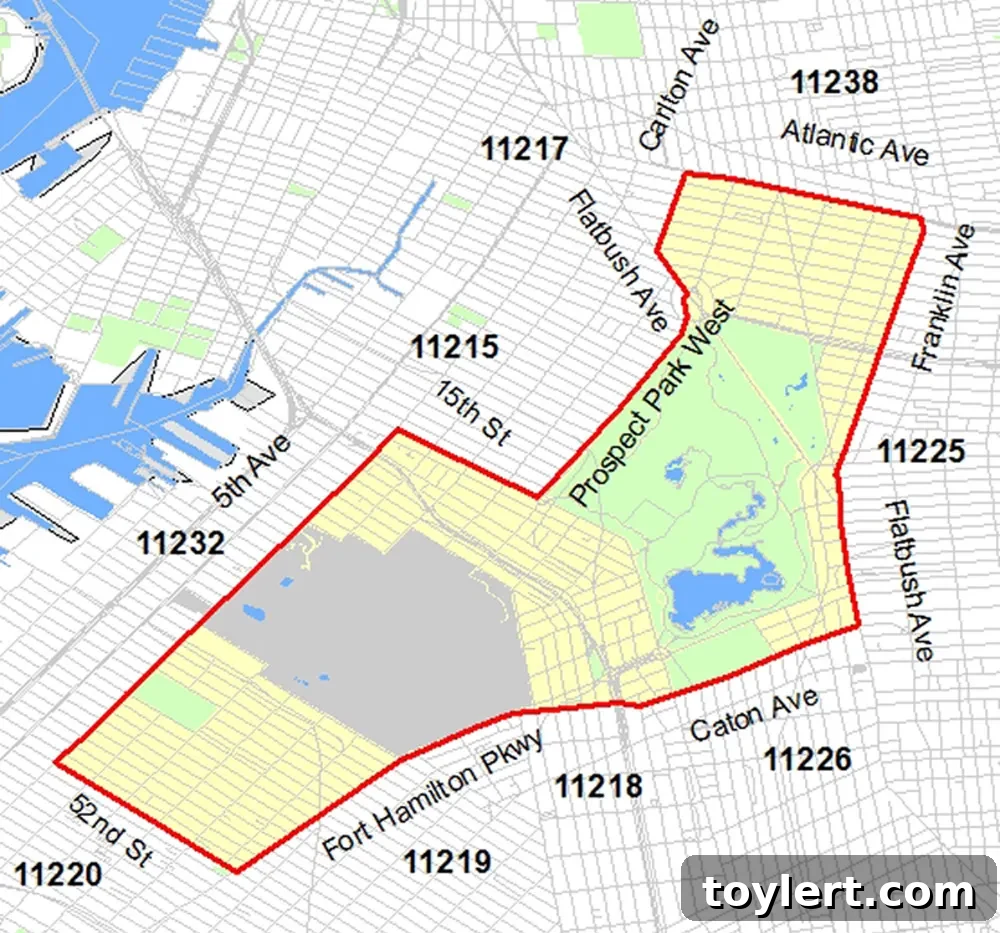
The spraying operation will strategically target specific communities within Brooklyn, areas recognized for their diverse urban landscapes and green spaces which can sometimes foster mosquito breeding. These include parts of Crown Heights, Greenwood Heights, Kensington, Park Slope, Prospect Lefferts Garden, Prospect Heights, Prospect Park South, Sunset Park, and Windsor Terrace. Residents residing within these specified zones, which correspond to zip codes 11215, 11217, 11218, 11219, 11220, 11225, 11226, 11232, and 11238, are advised to observe recommended precautions during the spraying period.
Understanding the Threat: West Nile Virus in New York City
West Nile Virus, a mosquito-borne disease, has been a public health concern in New York City since its initial detection in 1999. While the majority of individuals infected with WNV experience either no symptoms or only mild, transient flu-like symptoms such as fever, headache, body aches, joint pain, or occasional gastrointestinal distress, a small but significant percentage can develop severe neurological complications. These serious conditions may include encephalitis (inflammation of the brain) or meningitis (inflammation of the membranes surrounding the brain and spinal cord). Severe cases of WNV can lead to lasting disability and, in rare circumstances, can be fatal, particularly affecting older adults and individuals with compromised immune systems.
The primary vectors for WNV transmission are mosquitoes, specifically species like Culex pipiens, which are prevalent in urban environments. These mosquitoes contract the virus by feeding on infected birds and subsequently transmit it to humans, horses, and other mammals through their bites. The presence of standing water, even in minimal quantities, creates ideal breeding habitats for these disease-carrying insects. In densely populated areas like Brooklyn, seemingly innocuous sources such as discarded containers, blocked rain gutters, untended bird baths, and small puddles can contribute to a substantial mosquito population, elevating the potential for WNV transmission.
New York City’s Integrated Mosquito Management Strategy
The city’s comprehensive approach to preventing West Nile Virus is multi-layered, encompassing continuous surveillance, targeted larviciding, and adult mosquito control through spraying. The Department of Health and Mental Hygiene diligently monitors mosquito populations throughout the season, regularly testing captured specimens for the presence of WNV. This robust surveillance data is instrumental in guiding interventions, ensuring that resources are allocated efficiently to areas identified as having the highest public health risk.
Larviciding involves the application of biological or chemical agents to standing water sources to eliminate mosquito larvae before they can mature into biting adults. This method is frequently utilized in permanent water bodies such as catch basins, storm drains, and stagnant ponds. However, when surveillance indicates a heightened risk of WNV transmission, or following periods of significant rainfall that create widespread temporary breeding sites, adult mosquito control via truck-mounted spraying becomes an indispensable tool. The pesticides used in these operations, typically ultra-low volume (ULV) formulations of synthetic pyrethroids like Anvil 10+10 or Duet, are rigorously approved by the U.S. Environmental Protection Agency (EPA). Applied at extremely low concentrations, these agents pose minimal risk to human health, pets, and the environment when administered according to established protocols.
Targeted Areas: Brooklyn Neighborhoods in Focus
The current spraying operation is specifically designed to address neighborhoods that have exhibited elevated mosquito activity or tested positive for WNV in recent surveillance efforts. Providing clear details about these locations is vital for residents to understand and implement necessary precautions. The communities included in this crucial public health campaign are:
- Crown Heights: A vibrant, historically rich neighborhood known for its diverse community.
- Greenwood Heights: Characterized by a blend of industrial and residential zones, adjacent to the historic Green-Wood Cemetery.
- Kensington: A diverse and primarily residential area.
- Park Slope: A highly recognizable neighborhood, famous for its historic brownstones and close proximity to Prospect Park.
- Prospect Lefferts Garden: Situated near Prospect Park, featuring distinctive historic architecture and tree-lined streets.
- Prospect Heights: Located adjacent to major cultural institutions like Prospect Park and the Brooklyn Botanic Garden.
- Prospect Park South: A unique historic district renowned for its grand Victorian-era homes.
- Sunset Park: A bustling waterfront community offering stunning views and vibrant commercial corridors.
- Windsor Terrace: A charming residential neighborhood positioned directly west of Prospect Park.
These areas collectively encompass the following zip codes: 11215, 11217, 11218, 11219, 11220, 11225, 11226, 11232, and 11238. Residents within these designated zones should be aware that spraying operations will commence tonight, starting at 8:30 p.m., contingent on favorable weather conditions. In the event of inclement weather such as rain or high winds, the operation may be rescheduled for the subsequent evening.
Empowering Residents: Essential West Nile Virus Prevention Tips
While city-led spraying initiatives are indispensable for broad-scale mosquito control, individual and household actions are equally crucial in minimizing the risk of West Nile Virus. Every resident of Brooklyn can contribute significantly to a healthier community by adopting straightforward preventive measures:
Personal Protection Strategies Outdoors:
- Utilize EPA-Registered Insect Repellents: Apply repellents containing active ingredients such as DEET, picaridin, IR3535, oil of lemon eucalyptus (OLE), para-menthane-diol (PMD), or 2-undecanone. Always meticulously follow the product label instructions for safe and effective use.
- Opt for Protective Clothing: When spending time outdoors, particularly during dawn and dusk when mosquitoes are most active, wear long-sleeved shirts, long pants, and socks to reduce exposed skin.
- Minimize Exposure During Peak Hours: If feasible, limit outdoor activities from dusk to dawn, as these are the periods when mosquitoes are most aggressive and prone to biting.
Eliminating Mosquito Breeding Grounds Around Your Home:
- Eradicate Standing Water: Mosquitoes can successfully breed in as little as half an inch of water. Regularly inspect and empty or turn over any containers that collect water, including buckets, flowerpots, bird baths, pet water dishes, and children’s toys. Change water in bird baths and pet bowls at least twice a week.
- Ensure Proper Gutter and Drain Maintenance: Verify that roof gutters are clear of debris and drain efficiently. Clogged gutters can retain standing water for extended periods, creating prime breeding sites.
- Maintain Swimming Pools and Ponds: Keep swimming pools, outdoor hot tubs, and ornamental ponds adequately chlorinated or properly maintained. If pools are not in active use, ensure they are drained or securely covered.
- Repair and Install Window and Door Screens: Confirm that all window and door screens are in good condition, free of tears, and fit tightly to prevent mosquitoes from entering your home.
- Properly Store or Dispose of Tires: Old tires are notorious for collecting water and providing excellent breeding habitats. Store them indoors, cover them, or dispose of them properly.
- Empty Children’s Pools and Tarps: After use, completely empty and store children’s wading pools on their side. Regularly remove any accumulated water from tarps covering boats, woodpiles, or other outdoor items.
Safety Recommendations During Spraying Operations
Although the pesticides employed for mosquito control are characterized by low toxicity and are applied at extremely low concentrations, the Department of Health advises residents in targeted areas to adopt simple precautionary measures out of an abundance of caution:
- Remain Indoors: During the designated spraying period, which typically lasts for a few hours after 8:30 p.m., it is recommended to stay indoors with windows closed and air conditioning units set to recirculate indoor air rather than draw from outside.
- Protect Outdoor Belongings: Bring pets and their associated toys indoors. If possible, move outdoor furniture, children’s toys, and clothes from clotheslines indoors.
- Rinse Garden Produce: For residents with outdoor gardens, it is advisable to thoroughly rinse any fruits and vegetables with water before consumption.
- Consider Vehicle Protection: If your vehicle is parked outdoors, you may consider covering it or washing it afterward to remove any potential pesticide residue.
These precautions are primarily for reassurance, as the health risks associated with exposure to these pesticides at the applied levels are considered very low. Individuals with pre-existing respiratory conditions, such as asthma, may wish to take additional steps to minimize their exposure during spraying events.
Community Engagement and Sustainable Public Health
Effective mosquito control is a collaborative endeavor requiring active participation from both city agencies and the community. The city’s extensive efforts are significantly enhanced by informed and engaged residents. Reporting instances of standing water on public property or in vacant lots to 311 enables the Department of Health to address potential breeding sites proactively. Furthermore, reporting sightings of dead birds, particularly crows, to 311 is crucial, as these birds are highly susceptible to WNV, and their deaths can serve as an early indicator of increased virus activity in a given area.
New York City’s public health initiatives are designed not merely to respond to immediate threats like West Nile Virus but also to cultivate a sustained culture of health awareness and prevention. By understanding the inherent risks, implementing personal and household protective measures, and actively collaborating with city-led programs, Brooklyn residents can collectively play a pivotal role in maintaining the safety and well-being of their communities. For the most current updates on mosquito surveillance, spraying schedules, and comprehensive West Nile Virus information, residents are strongly encouraged to consult the official New York City Department of Health and Mental Hygiene website. Staying informed remains the most effective defense against mosquito-borne illnesses.