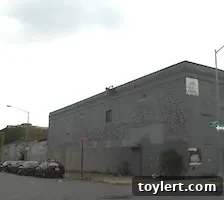
The Future of Gowanus: Community Voices Clash with Lightstone Group’s Development Plans
Gowanus, a distinctive neighborhood in Brooklyn, stands at a critical juncture. Historically defined by its industrial past and the infamous Gowanus Canal, it has recently emerged as a vibrant hub for artists, small businesses, and a growing residential community. This unique blend of heritage and burgeoning potential has also made it a prime target for ambitious new development projects. One such project, a significant 700-unit rental development proposed by the Lightstone Group, has ignited a fervent debate, bringing to light the complex challenges of urban growth in an environmentally sensitive area.
Last night, over 100 impassioned residents, local activists, and civic leaders converged at a pivotal Community Board Six meeting. Their collective presence underscored deep-seated concerns regarding the proposed Lightstone Group development, which promises to introduce an estimated 1,400 new residents to the Gowanus area. While developers champion the project as a solution to New York City’s persistent housing crisis and an opportunity to revitalize a neglected waterfront, the community voices a unified call for caution, demanding a more measured and environmentally conscious approach to growth.
The Proposed Development: Lightstone Group’s Vision for Gowanus
The Lightstone Group, a prominent national real estate developer, has set its sights on a significant parcel of land in Gowanus, specifically the site previously eyed by Toll Brothers. Their ambitious plan details a 700-unit rental complex designed to accommodate approximately 1,400 new residents. The developers highlight several key features and benefits they believe the project will bring to the neighborhood:
- Needed Housing: In a city grappling with an acute housing shortage, the Lightstone Group asserts that its 700 new rental units will help alleviate demand and provide homes for a growing population.
- Waterfront Access and Revitalization: A cornerstone of the proposal is the inclusion of a landscaped public esplanade along the Gowanus Canal. This feature aims to open up previously inaccessible portions of the waterfront, creating new public spaces and recreational opportunities for both new and existing residents.
- Infrastructure Upgrades: The project includes crucial storm sewer upgrades, a commitment that addresses one of the area’s long-standing environmental challenges related to water management and pollution runoff into the canal.
- Affordable Housing Component: Lightstone has committed to including 140 below-market-rate rental units within the complex, representing 20% of the total units, in an effort to contribute to the city’s affordable housing goals.
Crucially, the Lightstone Group is seeking “minor modifications” to the original plans previously submitted by Toll Brothers, which had already undergone the Uniform Land Use Review Procedure (ULURP). This strategic approach aims to streamline the approval process, potentially allowing them to break ground as early as next September, should they successfully avoid a full, new city review.
Community Concerns: A Unified Front Against Unchecked Growth
Despite the developer’s outlined benefits, the community’s response has been largely one of skepticism and concern. The packed Community Board Six meeting served as a powerful platform for residents, activists, and civic leaders to articulate their fears regarding the potential adverse impacts of such a large-scale development on a neighborhood already facing significant environmental and infrastructural strains. The primary concerns revolve around the area’s capacity to absorb such an influx, the fragile state of the Gowanus Canal, and the integrity of the city’s land-use review process.
Infrastructure Strain: Can Gowanus Handle 1,400 New Residents?
A central tenet of the opposition is the argument that Gowanus’s existing infrastructure is simply inadequate to support 1,400 new residents. This concern extends beyond mere overcrowding and encompasses several critical areas:
- Transportation: The neighborhood is primarily served by the F and G subway lines, which are already notoriously crowded during peak hours. An additional 1,400 residents would inevitably lead to further congestion on public transit and an increased demand for limited street parking, exacerbating existing traffic issues.
- Public Services: Local schools, sanitation services, and healthcare facilities operate at or near capacity. A sudden population surge could overwhelm these essential services, degrading the quality of life for all residents.
- Utilities: The existing water, sewer, and electrical grids, many of which are aging, could face significant strain. While storm sewer upgrades are proposed, the overall capacity of the utility infrastructure remains a major question mark for residents.
Many residents feel that proper planning must precede such development, ensuring that infrastructure improvements are not just compensatory but proactively designed to sustain future growth without compromising current residents’ well-being.
The Gowanus Canal: A Superfund Site at Risk
The Gowanus Canal’s status as a federal Superfund site is perhaps the most significant and sensitive issue underpinning community opposition. Decades of industrial pollution have left the canal heavily contaminated, necessitating an extensive and ongoing cleanup effort supervised by the Environmental Protection Agency (EPA). This historical context is vital; it was the complexity and potential liabilities associated with developing near a Superfund site that reportedly caused Toll Brothers to withdraw from their original plans for the parcel.
Residents voice serious fears that large-scale construction activities could:
- Disturb Toxins: Construction, particularly excavation and foundation work, carries the inherent risk of disturbing buried contaminants and potentially releasing hazardous substances into the air or water.
- Compromise Cleanup Efforts: Any interference could delay or complicate the multi-year, multi-million-dollar Superfund cleanup, jeopardizing the health and safety of both construction workers and the surrounding community.
- Health Risks for New Residents: Concerns persist about the long-term health implications for new residents living in close proximity to a still-polluted waterway, even after cleanup is complete. The community demands rigorous environmental impact studies to fully assess and mitigate these risks.
The ULURP Debate: Seeking Full Accountability
Lightstone Group’s attempt to proceed with “minor modifications” to pre-existing Toll Brothers plans, thereby bypassing a full Uniform Land Use Review Procedure (ULURP), has fueled significant controversy. ULURP is New York City’s comprehensive public review process for major land use actions, designed to ensure transparency, community input, and thorough environmental assessment.
The community strongly argues that the proposed changes are far from “minor” and warrant a completely new, comprehensive city review. The context of Gowanus has evolved since the original Toll Brothers proposal, and a new project of this magnitude, especially given the environmental sensitivities of the area, demands fresh scrutiny. Residents insist that avoiding a full ULURP undermines democratic processes and prevents a complete and updated evaluation of the project’s broad impacts on the community and environment.
Affordable Housing Adequacy: The Demand for 30%
While Lightstone’s commitment to 140 below-market-rate units (20% of the total) is acknowledged, the community believes this is insufficient. In the face of New York City’s deepening affordable housing crisis and the rapid gentrification observed in many Brooklyn neighborhoods, including parts of Gowanus, residents and advocates are demanding a higher commitment: 30% affordable housing.
This increased demand stems from a desire to ensure that new developments genuinely contribute to housing accessibility for a diverse range of income levels, preventing further displacement of existing residents and fostering an inclusive community.
Preserving Neighborhood Character: The Height Debate
Another point of contention is the proposed height of the development. The community, eager to preserve the existing low-rise, industrial-residential aesthetic that defines much of Gowanus, has requested that the building height be reduced to a maximum of eight stories. Concerns include:
- Visual Impact: Taller buildings can drastically alter a neighborhood’s skyline, creating a sense of “canyonization” and overwhelming existing structures.
- Light and Air: Taller structures can cast significant shadows, reducing natural light for surrounding buildings and public spaces.
- Density: Height is often directly linked to density, and the community’s call for reduction is tied to their broader concerns about population strain on local infrastructure.
The Community Board Six’s Decisive Response
Following the extensive public testimony and thoughtful deliberation, Community Board Six issued a strong and clear set of recommendations to the City Planning Commission. These recommendations reflect the significant concerns raised by the community and emphasize the board’s commitment to responsible and sustainable development in Gowanus. The board requested that City Planning not move ahead with Lightstone’s proposal as is, and that it be tabled until several critical conditions are met:
- Supplemental Environmental Impact Study (SEIS): The board unequivocally called for a comprehensive SEIS. This study would specifically address updated environmental conditions, the progress of the Superfund cleanup, and the nuanced impacts of Lightstone’s particular development on the Gowanus Canal and surrounding ecosystem, going beyond any previous assessments.
- 30 Percent Affordable Housing: Reinforcing the community’s demand, CB6 formally requested that the affordable housing component be increased to 30 percent of the total units, ensuring a more meaningful contribution to housing affordability in the neighborhood.
- Height Reduction to Eight Stories: To maintain the character and scale of the existing neighborhood, the board recommended that the maximum building height be limited to eight stories.
- Adherence to Community Board Responsible Contractor Conditions: This crucial demand ensures that the project operates under ethical labor practices, including fair wages, safe working conditions, local hiring initiatives, and adherence to labor agreements, benefiting both workers and the local economy.
These recommendations highlight the vital role of community boards in urban planning, acting as powerful advocates for their constituents and ensuring local voices are heard in major development decisions.
Looking Ahead: A Crossroads for Gowanus
The unfolding saga of the Lightstone Group’s Gowanus development encapsulates the ongoing tension inherent in urban revitalization: the delicate balance between promoting growth, addressing housing needs, fostering economic opportunity, and simultaneously safeguarding environmental integrity and preserving community character. Lightstone’s initial ambition to break ground quickly by navigating the “minor modifications” route now faces a substantial challenge from a well-organized and articulate community board and a deeply engaged public.
The outcome of this debate will not only shape the future landscape of Gowanus but will also set a significant precedent for how large-scale developments are reviewed and implemented in environmentally sensitive and rapidly evolving urban neighborhoods across New York City. It underscores the critical importance of a thorough, transparent, and truly inclusive planning process that considers long-term sustainability and the well-being of all residents.
Conclusion
The Lightstone Group’s proposed Gowanus development has brought into sharp focus the complex interplay between urban development, environmental stewardship, and community advocacy. While the promise of new housing and revitalized waterfront access holds appeal, the overwhelming concerns regarding infrastructure strain, the precarious state of the Gowanus Canal Superfund site, and the demand for robust public review processes cannot be overlooked. The decisive stance taken by Community Board Six, reflecting the unified voice of residents, calls for a more responsible, sustainable, and equitable approach to growth.
The path forward for this project will undoubtedly involve further negotiation and potentially more stringent review. Ultimately, the future of Gowanus hinges on finding collaborative solutions that honor its unique history, protect its environment, and genuinely address the needs of its diverse community, ensuring that development serves the neighborhood, rather than overwhelming it.
Critics: Gowanus Canal Development Would Be Too Populous [Brooklyn Paper]
Neighbors Concerned About Gowanus Development [Brownstoner]
All the Details on Lightstone’s Gowanus Development [Brownstoner]
New Developer Eyes Toll Brothers’ Old Gowanus Site [Brownstoner]