Brooklyn’s Dynamic Pulse: Navigating Growth, Community, and Urban Transformation
Brooklyn, a borough renowned for its vibrant culture, historic brownstones, and rapidly evolving urban landscape, stands at a fascinating crossroads. From the intricate challenges of housing and urban policy to the exciting emergence of new developments and the everyday rhythm of diverse communities, Brooklyn continually captures the attention of residents and urban observers alike. This exploration delves into the key facets that define Brooklyn’s character, highlighting significant movements in real estate, community engagement, and economic shifts that collectively shape its unique identity. Our journey through Brooklyn’s recent past and present reveals a borough grappling with growth, striving for equity, and celebrating its distinctive local flavor.
Housing and Urban Development: A Shifting Skyline and Social Fabric
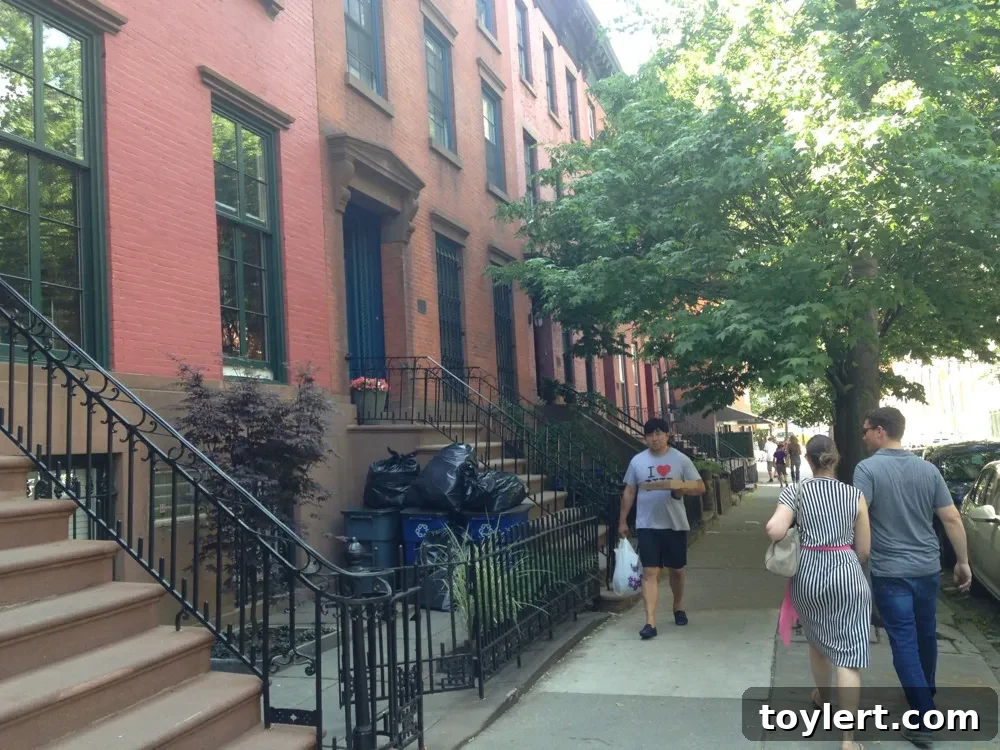
The narrative of modern Brooklyn is inextricably linked to its housing market and urban development initiatives. These areas are not merely about buildings; they reflect profound social and economic shifts, impacting everything from affordability to community cohesion. The image above, capturing State Street in Boerum Hill, serves as a quintessential reminder of Brooklyn’s architectural heritage, even as new structures rise alongside it.
Addressing Housing Vulnerability: The “Three-Quarter” Homes Controversy
A critical point in Brooklyn’s housing discussion has been the city’s intervention regarding “three-quarter” homes. These establishments, often operating outside conventional regulatory frameworks, historically offered transitional housing, sometimes at the expense of tenant safety and well-being. The city’s decision to move tenants from these problematic residences underscored a broader commitment to ensuring safe and dignified housing options for all Brooklynites. This initiative highlighted the complex challenges of urban homelessness and the vital role of municipal oversight in protecting vulnerable populations from exploitative practices. It also ignited conversations about the availability of truly affordable and supportive housing alternatives within the borough.
Millennial Living: The Rise of Communal Spaces
Beyond traditional housing models, Brooklyn has become a hotbed for innovative living arrangements, including the proliferation of “millennial communes.” Driven by factors such as rising rental costs, a desire for community, and evolving social dynamics, these co-living spaces offer an alternative for young professionals seeking affordability and connection in a dense urban environment. This trend reflects a broader cultural shift among millennials, who often prioritize shared experiences and a sense of belonging over conventional, isolated living. While some view these arrangements as temporary solutions, others see them as a sustainable and socially enriching way to navigate city life, contributing to Brooklyn’s reputation as a hub for new ideas and lifestyles.
Mayor De Blasio’s Vision: Linking Affordable Housing with Rezoning
At the policy level, significant efforts have been made to address Brooklyn’s affordability crisis. Mayor De Blasio’s ambitious plan to link affordable housing mandates with rezoning initiatives represented a pivotal strategy in this endeavor. The core idea was to encourage developers to include a percentage of affordable units in new projects in exchange for increased density or other zoning concessions. This approach aimed to create thousands of new affordable homes across the city, including many in Brooklyn, particularly in neighborhoods undergoing significant transformation. While the plan faced scrutiny and debate over its effectiveness and potential impact on existing communities, it undeniably shaped the dialogue around equitable development and the city’s responsibility to provide housing for all income levels.
Shaping Skylines: New Developments Across the Borough
Brooklyn’s skyline continues to evolve with a multitude of new constructions. Among the most notable has been the development of The William Vale Hotel at 55 Wythe Avenue in Williamsburg. This project, with its distinctive architecture and vibrant public spaces, epitomizes Williamsburg’s transformation from an industrial zone to a global destination for luxury, culture, and hospitality. Such high-profile developments not only alter the physical landscape but also contribute significantly to the local economy through tourism and job creation, further solidifying Brooklyn’s status as a premier urban destination.
Institutional Growth: NYU’s Plans for Cobble Hill
Adding to the borough’s comprehensive development, New York University (NYU) filed plans for a new medical facility in Cobble Hill. This move underscores the continuous expansion of institutional presence in Brooklyn, bringing advanced healthcare services closer to residents. While such facilities promise improved access to medical care and generate local employment, they also necessitate careful urban planning to manage increased traffic and ensure seamless integration with the existing neighborhood fabric. The development reflects a broader trend of major institutions investing in Brooklyn, recognizing its strategic importance and growing population.
Community Life, Public Spaces, and Local Economics
Beyond grand development schemes, Brooklyn’s soul resides in its diverse communities, public spaces, and bustling local economies. These elements reflect the daily lives of residents and the borough’s commitment to fostering a vibrant, livable environment.
Public Spaces Under Scrutiny: The Brooklyn Bridge Park Pier 6 Hearing
Public spaces are vital for community well-being, but their development and usage often spark passionate debate. A memorable hearing regarding Brooklyn Bridge Park’s Pier 6 exemplified this, showcasing the fervent community engagement surrounding beloved urban amenities. Discussions around park development often balance recreational needs with environmental concerns, commercial interests, and the desire for equitable access. Such lively, sometimes contentious, public forums are a testament to Brooklynites’ dedication to their shared spaces and their active participation in shaping the borough’s future. The outcomes of these hearings often dictate the character and accessibility of crucial green infrastructure.
Local Commerce Flourishes: Windsor Terrace Embraces E-commerce
Brooklyn’s economic diversity is evident in the growth of its local businesses, adapting to modern consumer trends. For instance, an online seller of used furniture strategically chose Windsor Terrace for its hub, illustrating how e-commerce businesses are finding a footing in Brooklyn’s distinct neighborhoods. This move highlights the borough’s appeal as a logistical and operational base for digitally-native businesses, leveraging its dense population and access to varied demographics. The presence of such enterprises contributes to local job creation and revitalizes commercial corridors, demonstrating the evolving landscape of retail and service industries.
Economic Insights: High Pay for Park Slope Nannies
A telling indicator of Brooklyn’s economic stratification and demand for services comes from insights into the labor market. A survey revealing that Park Slope nannies earn more than the city average speaks volumes about the affluence of certain Brooklyn neighborhoods and the high cost of living that drives up service wages. This statistic sheds light on the economic realities faced by both employers seeking childcare and the nannies themselves, reflecting the significant financial investment families make in domestic support in affluent areas. It also underscores the importance of the care economy within Brooklyn’s overall economic framework, illustrating the demand for specialized services in thriving residential communities.
Public Safety and Community Well-being
While growth and development are paramount, the well-being and safety of communities remain foundational. Events that impact public safety invariably draw attention and prompt discussions on prevention and community resilience.
Addressing Crime: A Shooting in East New York
Tragic incidents, such as the shooting that injured nine people in East New York, serve as stark reminders of the ongoing challenges in maintaining public safety across all Brooklyn neighborhoods. Such events galvanize communities, policymakers, and law enforcement to reinforce efforts in crime prevention, community outreach, and providing support to affected residents. These incidents underscore the critical need for comprehensive strategies that address not only immediate safety concerns but also the underlying socio-economic factors that contribute to crime, aiming for long-term solutions that foster security and trust within vulnerable areas.
Conclusion: Brooklyn’s Unfolding Narrative
Brooklyn continues to be a compelling microcosm of urban life, where historical roots intertwine with relentless innovation. From the intricacies of housing policy and the rapid pace of real estate development to the vibrant debates over public spaces and the nuanced shifts in local economies, the borough is in a constant state of flux. It is a place where every policy decision, new construction, and community dialogue leaves an indelible mark on its character. The stories emanating from Boerum Hill, Williamsburg, Park Slope, Cobble Hill, East New York, and Windsor Terrace collectively paint a picture of a borough that is resilient, diverse, and perpetually redefining what it means to be a modern urban center. As Brooklyn navigates its future, it remains a testament to the power of community, the drive for progress, and the enduring spirit of New York City.