Brooklyn Navy Yard Transformer Site: A Superfund Success Story and Its Future
A significant milestone in environmental remediation, the transformer area within the historic Brooklyn Navy Yard, has been partially cleaned and secured, officially graduating from its former Superfund designation. This pivotal development, outlined in a public document released earlier this month by the New York State Department of Environmental Conservation (DEC), appears to have largely flown under the radar of public attention. The notice initiated a crucial period for public comment, which commenced on September 25th and concluded on October 28th, allowing community members and stakeholders to weigh in on the site’s improved status.
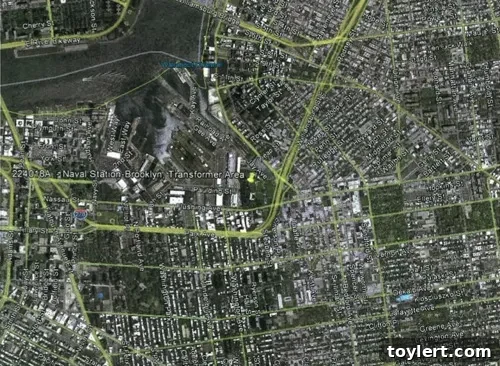
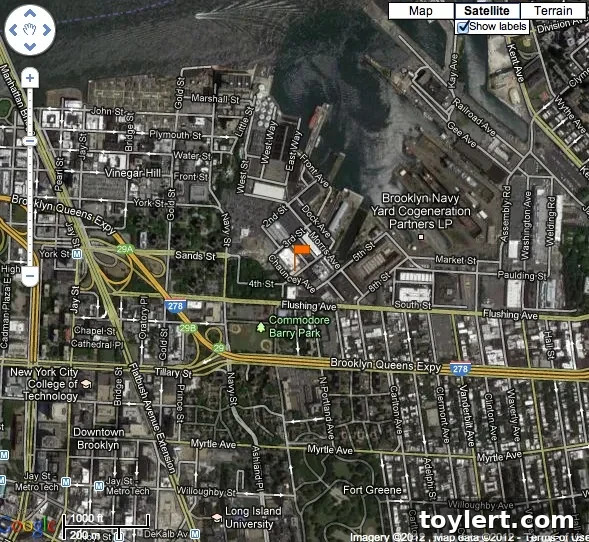
The image above, a Google map excerpt that accompanied the public notice, visually pinpoints the location of the remediated site. It is specifically identified by a distinct chartreuse pushpin labeled “224018A Naval Station Brooklyn Transformer Area,” providing a clear geographical reference for those interested in the precise boundaries of the former Superfund zone. However, a map from the environmental advocacy website HabitatMap, displayed further below, presents what appears to be a more granular and perhaps more specific depiction of the area in question. Such discrepancies in mapping can often highlight the complexities involved in accurately delineating historical industrial sites and their contaminated footprints.
Understanding the Superfund Program and Its Impact
To fully appreciate the significance of this achievement, it’s essential to understand the Superfund program. Officially known as the Comprehensive Environmental Response, Compensation, and Liability Act (CERCLA) of 1980, Superfund is a United States federal government program designed to clean up sites contaminated with hazardous substances. When a site is designated as a Superfund site, it signals a severe threat to public health and the environment, often requiring extensive, long-term remediation efforts. The delisting of a site, or its removal from this list, represents a monumental success, indicating that the immediate and long-term risks have been mitigated to acceptable levels, often through years of dedicated work and substantial investment.
The Brooklyn Navy Yard, a sprawling complex with a rich industrial past, served as a vital shipbuilding facility for over a century. Its legacy, while economically and historically significant, also includes the inevitable environmental footprint of heavy industry, particularly the use and disposal of materials like Polychlorinated Biphenyls (PCBs) associated with electrical transformers. PCBs are persistent organic pollutants known for their toxicity and ability to accumulate in the environment and food chains, posing serious health risks to humans and wildlife. This historical context underscores why the transformer area became a Superfund site and highlights the critical need for its cleanup.
The Rigorous Remediation Process: From Contamination to Clearance
The journey to environmental recovery at the Brooklyn Navy Yard transformer site began in the summer of 1994. According to information provided by HabitatMap, a non-profit dedicated to environmental health and justice, the remedial work undertaken was comprehensive and methodical. The initial phase involved targeted efforts to address the most immediate sources of contamination. This included:
- Powerwashing the Transformers and Stained Slabs: This process aimed to remove surface-level PCB residues from the electrical transformers themselves and any concrete slabs that had become stained by leaking fluids. Powerwashing, while seemingly straightforward, requires careful management to prevent the spread of contaminants and to collect all hazardous runoff for proper disposal.
- Removing Hazardous Levels of PCB Contaminated Soils: This was arguably the most critical component of the cleanup. PCBs can leach into the soil, creating a persistent source of contamination. Specialized equipment and protocols were used to excavate and safely remove these contaminated soils, preventing further migration into the surrounding environment and reducing direct exposure risks.
Upon the successful removal of the contaminated materials, the areas were then meticulously backfilled with crushed stone and thoroughly secured. Backfilling with clean material like crushed stone helps to stabilize the site, prevent erosion, and create a clean cap over any residual deeper contamination, further safeguarding the area. The securing of the site ensures that public access is restricted, preventing accidental exposure and maintaining the integrity of the remediation work. This initial phase of intense cleanup concluded in the fall of 1995, marking the completion of the active removal and stabilization efforts.
Ensuring Long-Term Safety: Groundwater Monitoring
However, the remediation did not stop with the visible cleanup. A crucial next step involved assessing the potential for deeper, unseen contamination, specifically in the groundwater beneath the site. In the fall of 1996, three monitoring wells were strategically installed near Building 7, a location identified as potentially vulnerable to groundwater contamination. These wells allowed environmental scientists to collect samples of groundwater to test for the presence of PCBs that might have migrated downwards from the surface contamination.
The monitoring program was rigorous, involving three distinct rounds of groundwater sample collection. Samples were taken in September 1996, December 1996, and March 1997. The results from all three rounds provided highly encouraging news: “no detectable concentrations of PCBs” were found. This consistent absence of PCBs in the groundwater samples was a strong indicator that the remedial actions had been highly effective in preventing the spread of contaminants to the underground water sources. Based on these conclusive findings, the environmental experts determined that “further monitoring at this site is not warranted,” signifying a complete and successful cleanup.
Future of the Site: Restricted Access and Environmental Stewardship
As far as can be determined, despite its delisting from the Superfund list and the successful remediation, this particular site within the Brooklyn Navy Yard remains locked away and is not slated for immediate public access or commercial development. Unlike other parts of the Navy Yard that have undergone significant revitalization and now host a vibrant mix of businesses, light manufacturing, and cultural institutions, the transformer area is expected to retain its restricted status for the foreseeable future.
This decision likely stems from a combination of factors: the desire to maintain the integrity of the remediation work, the potentially sensitive nature of a former industrial site even after cleanup, and perhaps a strategic choice to prioritize other areas for commercial or public use. Therefore, while many other sections of the Brooklyn Navy Yard have been transformed into sought-after locations for luxury retail outlets or residential condominiums, this specific parcel will continue to serve as a quiet testament to a successful environmental cleanup, rather than a new hub for urban development. This outcome highlights the ongoing balance between reclaiming industrial land and ensuring long-term environmental safety, prioritizing stewardship over immediate commercial exploitation.
Broader Implications for Urban Brownfield Revitalization
The successful remediation and delisting of the Brooklyn Navy Yard transformer site serve as an important case study for urban brownfield revitalization efforts across the nation. Brownfields, defined as abandoned or underutilized industrial and commercial facilities where redevelopment is complicated by real or perceived environmental contamination, represent both a challenge and an opportunity for cities. Cleaning up these sites not only removes environmental hazards but also unlocks valuable land for redevelopment, often in dense urban cores where space is at a premium.
While this particular site remains restricted, its cleanup contributes significantly to the overall environmental health of the Brooklyn Navy Yard and the surrounding community. It demonstrates that even highly contaminated sites, with proper resources, technology, and commitment, can be effectively remediated. This success story should encourage further investment in brownfield cleanups, recognizing their potential to transform blighted areas into productive community assets, improve public health outcomes, and contribute to sustainable urban growth.
Conclusion: A Quiet Victory for Environmental Health
The quiet delisting of the Brooklyn Navy Yard transformer area from the Superfund list is a profound victory for environmental health and responsible industrial legacy management. While it may not attract the headlines of a major real estate deal, the successful cleanup of PCB-contaminated soil and the clearance of groundwater pollution represent a critical step forward for the Brooklyn community and the wider urban environment. This site, now secured and monitored, stands as a testament to the persistent efforts required to mitigate the impacts of industrialization and restore ecological balance. It reminds us that even when out of the public eye, ongoing dedication to environmental remediation ensures a safer, healthier future for all.