The Renaissance of Downtown Brooklyn’s Municipal Building: A New Era of Retail and Lifestyle
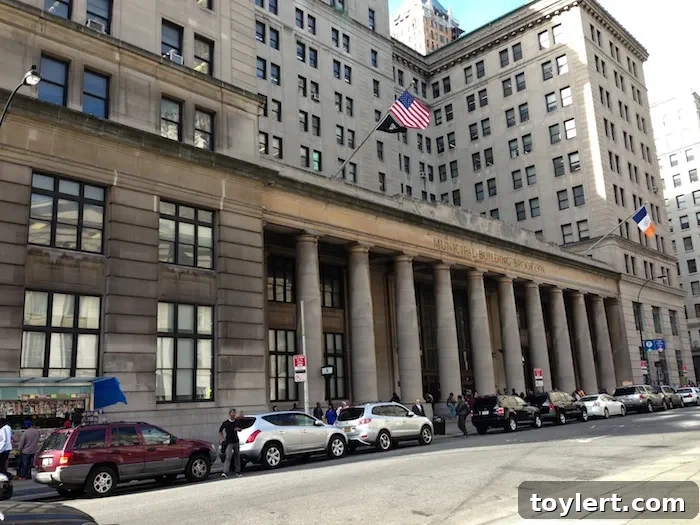
Downtown Brooklyn is undergoing a monumental transformation, redefining its identity from a primarily commercial and governmental hub to a vibrant, mixed-use destination. At the heart of this revitalization stands the historic Municipal Building, an architectural marvel built in 1924 and originally designed by McKenzie, Voorhees & Gmelin. This iconic structure is now experiencing a remarkable rebirth, attracting a diverse array of high-profile tenants that are poised to elevate the area’s retail and lifestyle offerings. The excitement surrounding this development recently escalated with the significant announcement that Neiman Marcus has secured 16,000 square feet for its off-price Last Call outlet, a move that signals a profound shift in Downtown Brooklyn’s retail landscape and marks a strategic entry for the luxury retailer into the New York City market beyond its Bergdorf Goodman flagship.
Neiman Marcus Last Call: A Game-Changer for Downtown Brooklyn Retail
The signing of Neiman Marcus Last Call for a substantial 16,000 square feet is more than just a new lease; it’s a powerful statement about the evolving allure of Downtown Brooklyn. This decision highlights the district’s growing appeal to prominent national retailers, particularly those in the luxury and premium segments. For Neiman Marcus, a brand synonymous with high-end fashion and exceptional service, establishing a Last Call outlet here represents a strategic expansion. While the brand already has a significant presence in New York City with Bergdorf Goodman, its entry with the Last Call concept fills a unique market niche. It provides an accessible entry point to luxury fashion for a broader demographic, catering to value-conscious consumers who still seek quality and designer labels at a more approachable price point. This move is particularly significant given Neiman Marcus’s limited physical footprint in New York City itself, making the Downtown Brooklyn location a beacon for shoppers seeking their curated selection of merchandise.
The off-price model of Last Call is also incredibly timely, tapping into a growing consumer trend where shoppers are increasingly discerning and value-driven without compromising on style or brand recognition. The 16,000-square-foot space within the Municipal Building offers ample room for a comprehensive selection of men’s and women’s apparel, accessories, and footwear, curated from previous seasons’ collections or specifically manufactured for the outlet channel. This influx of luxury inventory at reduced prices is expected to draw substantial foot traffic to the Municipal Building and the surrounding Downtown Brooklyn area, creating a positive ripple effect for other businesses and solidifying the district’s reputation as a burgeoning shopping destination. It’s a bold declaration that Downtown Brooklyn is not just a place for work or residence, but a vibrant locale where aspirational shopping experiences are now firmly rooted.
A Diverse Ecosystem: More Than Just Fashion
The transformation of the Municipal Building isn’t solely about high-fashion outlets; it’s about curating a diverse ecosystem that caters to a wide spectrum of lifestyle needs and preferences. Alongside Neiman Marcus Last Call, several other highly anticipated tenants are set to join the building, each contributing to a holistic and engaging urban experience. This strategic mix of retail, wellness, and entertainment providers underscores a deliberate effort to create a destination that encourages extended visits and fosters a strong sense of community.
Sephora: The Beauty Anchor
Sephora, a globally recognized leader in prestige beauty retail, has already established its presence in the Municipal Building. Its inclusion is crucial, providing a powerful anchor for the building’s retail component. Sephora offers an expansive range of cosmetics, skincare, fragrance, and hair care products, coupled with an interactive shopping experience. Its modern, vibrant stores are known for attracting a diverse customer base, from beauty enthusiasts to everyday shoppers, ensuring consistent foot traffic and complementing the fashion offerings of Neiman Marcus Last Call. The synergy between a major beauty retailer and a luxury fashion outlet is undeniable, allowing shoppers to fulfill multiple needs in a single, convenient location.
It’s Sugar: A Sweet Escape
Adding a touch of whimsical entertainment, It’s Sugar is also slated to move into the Municipal Building. This unique candy store is far more than just a place to buy sweets; it’s an immersive experience, often featuring larger-than-life candy displays, novelty items, and an atmosphere designed to evoke joy and nostalgia. Its presence adds a playful and family-friendly dimension to the building’s tenant mix, attracting a different demographic and providing a fun diversion for visitors of all ages. This experiential retail approach is vital for urban centers looking to compete with online shopping, offering something that cannot be replicated digitally.
YogaWorks: Wellness and Community
Rounding out the lifestyle offerings, YogaWorks, a prominent name in the fitness and wellness industry, is also preparing to open its doors. In today’s fast-paced urban environment, access to wellness amenities is highly valued. YogaWorks will provide a dedicated space for yoga, mindfulness, and fitness classes, catering to the growing demand for health-conscious options among Downtown Brooklyn’s residents, office workers, and visitors. Its inclusion not only enhances the building’s appeal but also contributes to the overall well-being of the community. The combination of fashion, beauty, entertainment, and wellness creates a compelling narrative for the Municipal Building as a dynamic, all-encompassing destination.
Downtown Brooklyn’s Broader Retail Renaissance
The transformation of the Municipal Building is a microcosm of a larger, ongoing retail renaissance in Downtown Brooklyn. For decades, the area was primarily known for its government offices, courthouses, and a scattering of local businesses. However, aggressive urban planning, significant investments in infrastructure, and a surge in residential and commercial development have fundamentally reshaped the district. What was once perceived as a utilitarian area is now blossoming into a vibrant, 24/7 neighborhood with a thriving ecosystem of retail, dining, entertainment, and cultural attractions. The influx of new residents, particularly young professionals and families drawn to new luxury high-rises, has created a robust and affluent consumer base, attracting retailers who once overlooked the area.
This revitalization is also fueled by improved transportation links, making Downtown Brooklyn easily accessible from various parts of New York City and beyond. It’s now a major transportation hub, drawing daily commuters and visitors, all of whom contribute to the commercial vitality. The strategy of blending historic preservation with modern amenities and diverse tenant mixes is a blueprint for successful urban regeneration. The Municipal Building’s success in attracting prestigious tenants like Neiman Marcus Last Call, Sephora, It’s Sugar, and YogaWorks is a clear indicator that Downtown Brooklyn has solidified its position as a premier destination for both residents and visitors, cementing its status as one of New York City’s most dynamic and promising neighborhoods.
Economic and Social Impact: A Catalyst for Growth
The comprehensive redevelopment of the Municipal Building and the arrival of these high-profile tenants are set to generate significant economic and social benefits for Downtown Brooklyn. Economically, the new retail and wellness establishments will create numerous job opportunities, from sales associates and management to service personnel and support staff, providing employment for local residents and contributing to the area’s economic stability. The increased foot traffic generated by these popular destinations will also have a positive ripple effect, benefiting existing businesses in the vicinity, including restaurants, cafes, and smaller boutique shops. This synergistic relationship fosters a more robust and diverse local economy, encouraging further investment and development in the district.
Socially, the Municipal Building’s transformation enriches the community’s fabric. The addition of varied retail and lifestyle options enhances the quality of life for residents, providing convenient access to desired goods and services. Spaces like YogaWorks contribute to community well-being, while stores like It’s Sugar offer unique recreational opportunities. The building itself, with its meticulously preserved architecture, becomes a point of civic pride and a vibrant gathering place. It helps to foster a sense of identity and belonging for those who live and work in Downtown Brooklyn, transforming a historic landmark into a contemporary nexus of commerce, culture, and community interaction. This blend of heritage and modernity makes the Municipal Building a true emblem of Downtown Brooklyn’s exciting future.
Architectural Grandeur Meets Modern Functionality
The Municipal Building, originally constructed in 1924 and designed by the esteemed firm of McKenzie, Voorhees & Gmelin, stands as a testament to early 20th-century architectural grandeur. Its classical elements, imposing stature, and intricate detailing reflect an era when civic buildings were designed to inspire awe and signify the importance of public service. The current transformation of this landmark has been undertaken with meticulous care, balancing the imperative of modern commercial functionality with a deep respect for its historical integrity. Developers have worked to preserve the building’s distinctive facade and many of its original interior features while concurrently upgrading its infrastructure to meet the demands of contemporary retail and office spaces.
This careful blend of old and new is critical to the project’s success. It ensures that the building retains its unique character and charm, differentiating it from newer, more generic developments. The high ceilings, expansive windows, and robust construction typical of its era provide an unparalleled backdrop for the incoming tenants, offering unique merchandising opportunities and an elevated shopping experience. By breathing new life into this historic structure, the project not only preserves an important piece of Brooklyn’s heritage but also showcases how architectural preservation can be a powerful engine for urban revitalization, creating spaces that are both economically viable and culturally significant. The Municipal Building is now not just a historical relic, but a living, breathing landmark that serves as a vibrant commercial and social hub.
The Future Landscape of Downtown Brooklyn
The ongoing transformation of the Municipal Building is a significant chapter in Downtown Brooklyn’s larger narrative of growth and development, but it is by no means the final one. This project sets a precedent, signaling to other high-caliber retailers and developers that Downtown Brooklyn is a prime location for investment and expansion. The success of this diversified tenant mix, attracting both luxury outlets and experiential lifestyle brands, will undoubtedly inspire further innovative developments in the area. We can anticipate a continued influx of diverse businesses, potentially including more high-end dining experiences, cultural institutions, and specialized service providers, all contributing to the district’s evolving identity.
The long-term vision for Downtown Brooklyn is one of sustained growth, aiming to create a truly integrated urban environment where residents can live, work, shop, and socialize within a vibrant, walkable community. The Municipal Building, with its blend of history and modernity, serves as a powerful symbol of this ambition. It demonstrates the potential for urban centers to evolve, adapting to new economic realities and consumer demands while honoring their past. As the district continues to mature, it is poised to become an even more attractive destination, solidifying its place as a dynamic and essential component of New York City’s urban fabric, and offering a model for successful urban regeneration across the nation.