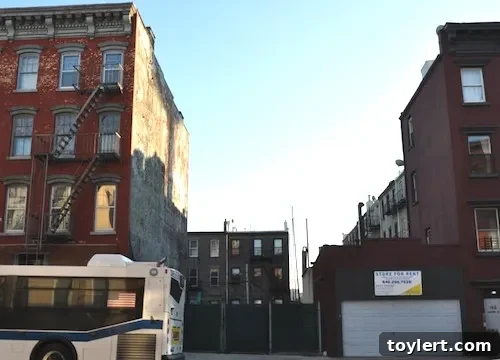
Unveiling the Future of 94 Greenpoint Avenue: A Contextual Development in Brooklyn’s Historic Heart
A significant development is on the horizon for 94 Greenpoint Avenue, a prime location nestled within the distinguished Greenpoint Historic District in Brooklyn. This eagerly anticipated new building project, slated for a generous 2,375-square-foot lot, has embarked on the rigorous review process mandated by New York City’s venerable Landmarks Preservation Commission (LPC). The initial application for this proposed structure was formally presented to the LPC on September 4th, a crucial step for any construction within such a historically significant and protected urban enclave. While specific design details were not fully disclosed in the public hearing notice at the time, the very nature of its location guarantees a design approach deeply rooted in the principles of contextual architecture and historic preservation.
The Essence of the Greenpoint Historic District
Greenpoint, a vibrant and evolving neighborhood in North Brooklyn, boasts a rich tapestry of history, industry, and diverse architectural styles. Designated as a Historic District, areas like 94 Greenpoint Avenue are subject to stringent guidelines aimed at preserving the unique character and visual integrity that define this cherished part of New York City. The district encompasses an impressive array of architectural heritage, from elegant Victorian brownstones and charming row houses to robust industrial structures that harken back to Greenpoint’s storied manufacturing past. This designation is not merely about aesthetic appeal; it serves to protect the tangible history embedded in the neighborhood’s buildings and streetscapes, ensuring that new additions enhance rather than detract from its irreplaceable charm. For developers considering projects in this area, understanding and respecting the existing architectural language is paramount to a successful outcome.
The Indispensable Role of the Landmarks Preservation Commission (LPC)
Central to the oversight of development within New York City’s historic districts is the Landmarks Preservation Commission. Established in 1965, the LPC acts as the city’s primary guardian of its architectural, historical, and cultural heritage. Its mandate is to protect and regulate significant buildings and sites, ensuring that changes or new constructions maintain compatibility with their historic surroundings. When a property, such as the one at 94 Greenpoint Avenue, falls within a historic district, any proposed development—whether it’s a new building, an expansion, or a significant alteration—requires a specific approval known as a ‘Certificate of Appropriateness’ from the LPC. This involves a comprehensive and meticulous review of various aspects, including the design, scale, massing, material choices, and overall impact of the proposed project on the district’s character. The LPC’s role extends beyond simply approving or denying; it involves guiding developers to create designs that genuinely contribute positively to the existing architectural ensemble, fostering a harmonious blend of old and new.
Details of the Site at 94 Greenpoint Avenue
The parcel situated at 94 Greenpoint Avenue presents both unique opportunities and specific considerations for development. With a total area of 2,375 square feet, the lot boasts an impressive 25-foot frontage, providing a significant presence on the street, and extends to a depth of 95 feet. These dimensions are quite common for urban infill lots found within New York City’s historic districts and often lend themselves well to the construction of multi-story residential or mixed-use buildings. Given its prominent location within the Greenpoint Historic District, the expectation for any proposed design is that it will be meticulously “contextual.” This term, frequently emphasized in preservation circles, signifies that the new building must respect, reflect, and integrate with the architectural language, scale, and material palette of its immediate neighbors and the broader district. Developers are strongly encouraged to draw inspiration from the existing fabric of Greenpoint, incorporating elements such as traditional brickwork, thoughtfully proportioned fenestration patterns, setbacks that align with adjacent structures, and rooflines that contribute to a cohesive streetscape. The ultimate goal is to create a building that feels like a natural and organic evolution of the block, rather than an abrupt or discordant imposition.
Navigating the LPC Approval Process and Public Engagement
The initial hearing on September 4th marked a pivotal moment, formally introducing the project for 94 Greenpoint Avenue to both the Landmarks Preservation Commission and the interested public. While the specific architectural blueprints were not extensively detailed in the public notice, such hearings serve as a critical forum for developers and their architects to present their preliminary vision and for the commission to offer essential feedback. The LPC review process is renowned for its thoroughness and often involves multiple stages of collaboration among architects, developers, local community boards, and preservation advocacy groups. Key aspects that the LPC typically evaluates include the proposed building’s scale and massing in relation to neighboring properties, the judicious selection of exterior materials (such as brick, stone, or pre-cast concrete), the design and placement of windows and doors, and any proposed decorative elements. Furthermore, public engagement plays a vital role in this process; residents and community members often submit written comments or provide verbal testimony at hearings, expressing support, concerns, or offering suggestions. For a project as prominent as 94 Greenpoint Avenue, situated on a bustling thoroughfare in a historically rich area like Greenpoint, robust community feedback is frequently a significant factor in shaping the final design and approval outcome. This collaborative approach ensures that new development aligns with community values and preservation goals.
Greenpoint’s Dynamic Evolution and the Balance of Preservation
Greenpoint’s architectural character is a compelling testament to its long and varied history. From its origins as a bustling shipbuilding and manufacturing hub along the waterfront to its current status as a highly desirable residential and commercial neighborhood, the area has undergone continuous and dramatic transformation. The challenge lies in preserving this invaluable heritage while simultaneously accommodating the demands of modern urban growth. New developments, such as the one proposed at 94 Greenpoint Avenue, are essential in meeting the increasing demand for housing, retail, and commercial spaces in Brooklyn, but they must do so with a profound sense of responsibility and respect for context. The principle of “contextual design” is fundamental to ensuring that Greenpoint retains its unique identity and charm even as it evolves. This often means carefully considering material choices, preferring durable, time-hontested materials like brick and stone that echo existing structures over purely contemporary glass and steel facades. It also involves designing facades that incorporate the rhythm of historical fenestration, the intricate details of 19th-century residential buildings, or the robust character of industrial loft conversions prevalent throughout the district. The project at 94 Greenpoint Avenue serves as a microcosm of this larger urban planning challenge: how to seamlessly weave new, functional structures into a revered historical tapestry without sacrificing either progress or preservation.
Anticipating the Design and Its Broader Impact
Given the rigorous standards of the LPC and the specific requirements of the Greenpoint Historic District, it is reasonable to anticipate that the final design for 94 Greenpoint Avenue will be thoughtful, elegantly understated, and deeply rooted in the local architectural traditions. Future residents, businesses, and visitors can likely expect a building that, while entirely new, feels familiar and perfectly integrated into the existing streetscape. The emphasis will undoubtedly be on the use of durable, high-quality materials that are proven to age gracefully and complement the surrounding brickwork, brownstones, and limestone details. The building’s height and massing will almost certainly be carefully constrained to maintain the existing street wall and scale, ensuring that it does not overpower or cast undue shadows on its neighbors. Beyond the aesthetic considerations, new developments also bring significant economic and social impacts. These can include increased pedestrian traffic, potential opportunities for new ground-floor retail establishments that enhance neighborhood amenities, and additional residents who contribute to the local economy and community vibrancy. Thoughtful design, meticulously guided by the LPC, is crucial in mitigating potential negative impacts, such as increased density strain, traffic congestion, or the loss of light and air for adjacent properties, thus ensuring a balanced and beneficial contribution to the community.
Conclusion: A Future Rooted in History
The journey of the new building at 94 Greenpoint Avenue through the thorough review process of the Landmarks Preservation Commission vividly underscores New York City’s unwavering commitment to protecting its invaluable architectural and historical heritage. While the specific, finalized design details are still awaited, the very nature of its location within the venerable Greenpoint Historic District assures all stakeholders that the final product will be a carefully considered and meticulously crafted addition, designed to blend seamlessly into the rich and complex urban fabric of Brooklyn. As Greenpoint continues its dynamic and energetic evolution, projects like this serve as vital examples of how responsible, forward-thinking development and steadfast historic preservation can not only coexist but thrive together. They demonstrate how new structures can respectfully honor the past while robustly embracing the contemporary needs of a growing and vibrant community. The ultimate outcome of this project will undoubtedly stand as a testament to the enduring appeal of Greenpoint and the meticulous architectural standards set for its continued growth and irreplaceable historical integrity. To explore the precise location and its surroundings, click here: GMAP.
Photo via Property Shark