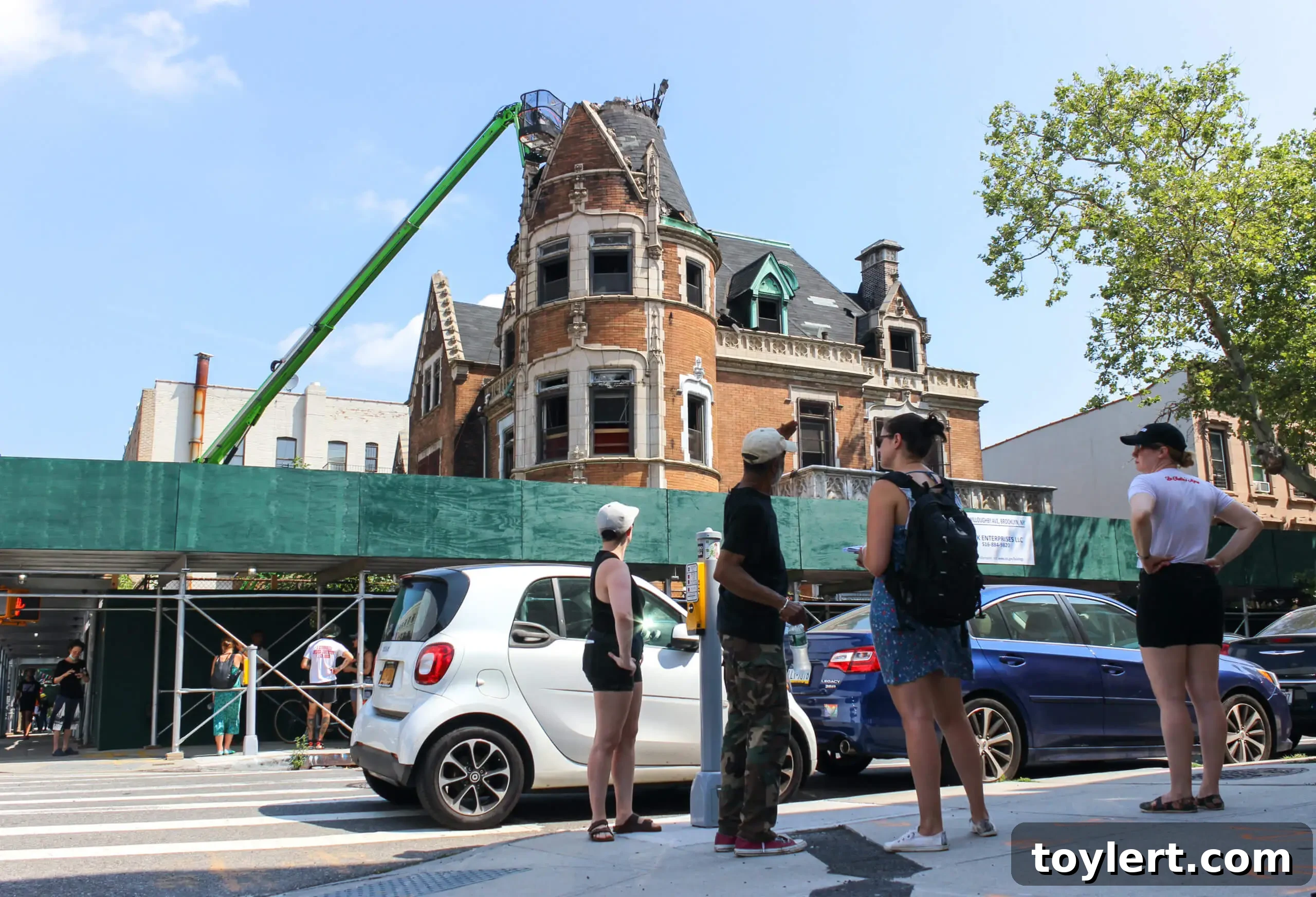
Protecting NYC’s Heritage: Mayor’s Action Plan Fortifies Vulnerable Historic Buildings
New York City, a vibrant tapestry of history and modernity, continually grapples with the delicate balance between progress and preservation. In a significant move to safeguard its invaluable architectural legacy, the Mayor’s Office recently unveiled a comprehensive strategy aimed at bolstering protections for the city’s vulnerable historic structures. This proactive step has been met with a mix of cautious optimism and anticipation from dedicated preservation and community activists, who, while commending the initiative, await its robust and effective implementation with bated breath.
The newly introduced Vulnerable Historic Buildings Action Plan, formally released last Friday, represents a pivotal commitment to addressing long-standing challenges in urban preservation. At its core, the plan is meticulously designed to enhance coordination and collaboration between two critical city agencies: the NYC Landmarks Preservation Commission (LPC) and the Department of Buildings (DOB). Beyond inter-agency synergy, a key objective is to significantly increase public transparency concerning violations and maintenance issues impacting landmarked structures, thereby empowering communities and fostering greater accountability.
The Imperative for Action: Why NYC’s Architectural Legacy Needs Fortification
New York City boasts an unparalleled collection of historic buildings, each telling a story of the city’s evolution, its diverse cultures, and its architectural prowess. From grand Gilded Age mansions to iconic brownstones and historic commercial hubs, these structures are more than just bricks and mortar; they are the physical embodiment of the city’s soul and a vital part of its identity. However, this rich heritage faces constant threats, ranging from economic pressures and aggressive development to neglect, inadequate maintenance, and, increasingly, the impacts of climate change.
For years, preservationists and local communities have voiced concerns over the gradual erosion of this heritage. Instances of “demolition by neglect,” where property owners allow landmarked buildings to deteriorate beyond repair to avoid preservation mandates, have been a particularly vexing issue. The sheer scale of development in a rapidly growing city often places immense pressure on existing historic fabric, leading to demolition threats or insensitive alterations. The Mayor’s Action Plan is a direct response to these pressing issues, acknowledging that a more robust, coordinated, and transparent approach is essential to prevent further loss of the city’s irreplaceable architectural assets.
Key Pillars of the Vulnerable Historic Buildings Action Plan
The Mayor’s Action Plan is multifaceted, integrating a range of strategies to create a more resilient framework for historic preservation. The new measures are designed to be comprehensive, tackling issues from proactive identification of at-risk properties to enhanced enforcement and public engagement. These measures include, but are not limited to, the following:
1. Enhanced Inter-Agency Coordination: Bridging the LPC and DOB Divide
A central tenet of the plan is the strengthening of operational ties between the Landmarks Preservation Commission and the Department of Buildings. Historically, coordination gaps could lead to delays, missed violations, or fragmented enforcement. This plan aims to:
- Streamlined Data Sharing: Implement advanced digital platforms for real-time exchange of inspection reports, violation notices, and permit applications related to landmarked properties. This ensures both agencies have immediate access to critical information.
- Joint Enforcement Task Forces: Establish specialized units comprising inspectors and legal staff from both the LPC and DOB. These teams will conduct joint site visits, particularly for properties flagged as high-risk, ensuring a unified approach to assessing conditions and issuing directives.
- Clearer Protocols and Communication Channels: Develop standardized operating procedures for handling complaints, conducting investigations, and enforcing regulations on historic buildings. This includes regular inter-agency meetings to discuss challenging cases and coordinate strategies.
- Early Warning Systems: Implement a proactive system where potential threats to landmarked properties – such as repeated minor violations, structural concerns, or prolonged vacancies – trigger automatic alerts for both agencies, allowing for early intervention before deterioration becomes irreversible.
2. Boosting Public Transparency: A Window into Violations and Safeguards
Transparency is a cornerstone of good governance and crucial for empowering the public to participate in preservation efforts. The plan outlines several initiatives to make information more accessible and understandable:
- Publicly Accessible Violation Database: Create an enhanced, user-friendly online portal where citizens can easily search for active and resolved violations on any landmarked property. This database will include details on the nature of the violation, issued penalties, and the status of corrective actions.
- Clear Reporting Mechanisms: Simplify the process for the public to report concerns or potential violations on historic buildings. This could involve a dedicated hotline, an intuitive online form, or integration with existing 311 services, ensuring timely and accountable responses.
- Regular Progress Reports: Commit to publishing quarterly or annual reports detailing the plan’s progress, including statistics on inspections conducted, violations issued, enforcement actions taken, and the overall status of vulnerable historic properties across the city.
- Community Awareness Campaigns: Launch public education initiatives to inform property owners, tenants, and the general public about their rights and responsibilities concerning historic buildings, and how they can contribute to their preservation.
3. Proactive Monitoring and Enforcement Mechanisms
Beyond responding to complaints, the plan emphasizes a shift towards more proactive identification and intervention:
- Routine Proactive Inspections: Increase the frequency of scheduled inspections for landmarked properties, especially those identified as “vulnerable” based on risk assessments (e.g., age, structural reports, past violations, ownership history).
- Leveraging Technology: Utilize modern tools such as drone technology for aerial assessments of roofs and inaccessible facades, thermal imaging to detect moisture ingress, and advanced structural analysis software to monitor the condition of buildings without requiring intrusive access.
- Increased Enforcement Capacity: Dedicate additional resources and trained personnel to both the LPC and DOB, specifically tasked with monitoring and enforcing regulations pertinent to historic buildings. This includes legal teams specialized in preservation law.
- Graduated Enforcement and Penalties: Implement a more stringent system of graduated penalties for non-compliance, ensuring that fines escalate significantly for repeated or egregious violations, making neglect financially unviable.
4. Incentivizing Stewardship and Deterring Neglect
While enforcement is critical, the plan also acknowledges the importance of encouraging responsible ownership through support and disincentives for neglect:
- Preservation Incentives: Explore and expand existing programs offering tax abatements, grants, or low-interest loans for property owners undertaking approved restoration and maintenance work on landmarked properties. This makes preservation economically more attractive.
- Technical Assistance Programs: Provide accessible technical guidance and resources to owners of historic buildings, helping them navigate complex preservation guidelines, identify qualified contractors, and understand best practices for historic material repair.
- Accountability for “Demolition by Neglect”: Strengthen legal provisions and enforcement against owners who intentionally allow properties to decay. This may include empowering the city to undertake emergency repairs and place liens on properties to recover costs, or even exploring eminent domain in extreme cases.
5. Educational Outreach and Community Empowerment
A successful preservation strategy requires an informed and engaged citizenry:
- Owner Workshops: Organize regular workshops and seminars for owners of landmarked properties, providing practical information on maintenance, restoration techniques, and navigating city regulations.
- Community Training Programs: Equip local community boards, preservation groups, and neighborhood associations with the knowledge and tools to identify potential issues, understand the regulatory framework, and effectively advocate for their local historic assets.
- Youth Engagement Initiatives: Develop educational programs aimed at school-aged children and young adults, fostering an appreciation for NYC’s architectural heritage and encouraging future generations to become stewards of preservation.
The Preservation Community’s Response: Hope Mingled with Caution
The announcement of the Vulnerable Historic Buildings Action Plan has indeed been met with a palpable sense of relief and optimism within New York City’s preservation community. Activists have long championed the need for a more cohesive and assertive approach to protecting the city’s landmarked structures, and this plan signals an official recognition of their concerns at the highest level of city government. The commitment to increased inter-agency coordination and transparency, in particular, resonates deeply with groups who have often navigated bureaucratic silos and struggled to access vital information.
However, this optimism is tempered with a healthy dose of caution, rooted in past experiences. Preservationists understand that the success of any plan hinges entirely on its execution. Concerns linger about the sustainability of funding for these enhanced measures, the potential for political shifts to derail long-term commitments, and the sheer scale of the challenge in a city as vast and dynamic as New York. The term “bated breath for implementation” perfectly captures this sentiment – a hopeful anticipation mixed with a vigilant readiness to hold city agencies accountable for their promises. Activists will undoubtedly be closely monitoring the plan’s progress, advocating for robust resource allocation, and ensuring that the spirit of proactive protection translates into tangible results on the ground.
Beyond Bricks and Mortar: Sustaining NYC’s Unique Identity
The significance of the Mayor’s Action Plan extends far beyond the physical structures it aims to protect. Historic buildings are integral to New York City’s cultural identity, serving as irreplaceable touchstones that connect residents and visitors to generations past. They enrich the urban landscape, provide unique character to neighborhoods, and are often catalysts for local pride and community cohesion. Moreover, historic preservation offers substantial economic benefits, attracting tourism, supporting specialized trades, and often stabilizing property values in surrounding areas.
Environmentally, the most sustainable building is often one that already exists. Reusing and adapting historic structures reduces waste, conserves embodied energy from original construction, and lessens the demand for new materials, aligning perfectly with the city’s broader sustainability goals. By safeguarding these vulnerable assets, the plan is not just preserving history; it is investing in the city’s future, ensuring that New York remains a place where heritage and progress can coexist and thrive.
Looking Ahead: The Road to Robust and Enduring Preservation
The Mayor’s Vulnerable Historic Buildings Action Plan marks a crucial turning point in New York City’s ongoing journey of urban preservation. While the blueprint is now laid out, the real work of implementation, continuous adaptation, and sustained commitment lies ahead. The effectiveness of this plan will ultimately be measured not just by the policies it outlines, but by the tangible outcomes: a reduction in demolition-by-neglect cases, a higher rate of successful restorations, increased public engagement, and, most importantly, the continued vibrancy and integrity of New York City’s irreplaceable architectural heritage.
For this plan to achieve its ambitious goals, it will require ongoing collaboration between city agencies, unwavering support from the Mayor’s Office, diligent oversight from the preservation community, and active participation from property owners and citizens alike. The future of New York City’s past is now in clearer focus, but it demands collective vigilance to ensure that its historic buildings stand strong for generations to come.