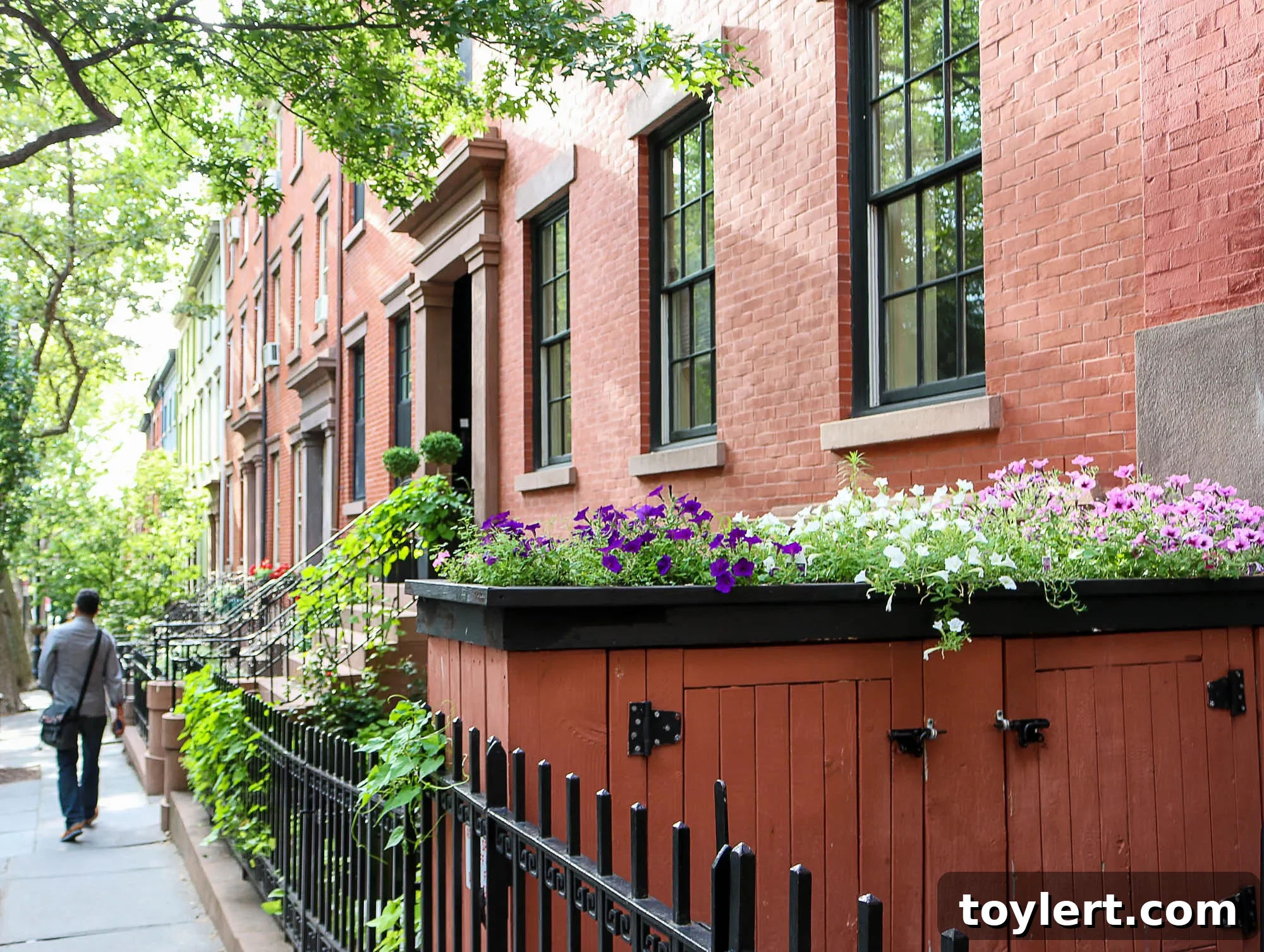
Elevating Urban Curb Appeal: Ingenious Solutions for Discreet Outdoor Garbage Storage
In the vibrant tapestry of urban living, where every square foot holds value and aesthetic harmony is prized, the mundane necessity of garbage storage often presents a significant challenge. Whether you envision a charming front stoop adorned with vibrant flower pots or an elegant apartment building framed by meticulously maintained boxwood planters, the desire for exceptional curb appeal is universal. Yet, for residents in densely populated areas like Brooklyn, the inconvenient reality of limited outdoor space often clashes with the practical demands of waste management. Unsightly trash cans, overflowing bins, and scattered debris can instantly diminish the visual allure of a home, leaving a less-than-desirable first impression.
Fortunately, the dilemma of unsightly outdoor garbage bins is far from insurmountable. A diverse array of innovative solutions exists to effectively conceal your trash cans, transforming a functional eyesore into a seamless, often beautiful, extension of your home’s exterior design. Many of these solutions offer the invaluable added benefit of deterring common urban pests, such as rats, ensuring not only beauty but also enhanced hygiene and peace of mind.
The Urban Dilemma: Why Discreet Garbage Storage is More Crucial Than Ever
Urban environments, by their very nature, amplify the challenges associated with outdoor waste management. The proximity of homes, limited yard space, and high foot traffic mean that what happens on your property is often visible to many. Here’s why thoughtful garbage concealment is essential in cityscapes:
Space Constraints and Visual Impact
In cities like Brooklyn, private outdoor space is a premium. A small front garden, a compact patio, or even just a narrow entryway needs to be maximized for beauty and functionality. A prominent, uncovered trash can disrupts this visual flow, creating a jarring note in an otherwise curated space. It detracts from landscaping efforts, diminishes architectural features, and can even make a small area feel more cluttered.
Pest Control and Hygiene Concerns
Open or poorly secured garbage bins are an open invitation to urban wildlife, particularly rats and other rodents. These pests are not only unsightly but also pose significant health risks and can cause property damage. Effective concealment solutions often incorporate features designed to block access for pests, contributing significantly to a cleaner, safer environment for your household and your neighbors.
Property Value and Neighborhood Aesthetics
Curb appeal plays a direct role in property value. A home with an attractive, well-maintained exterior signals pride of ownership and attention to detail, which can be a deciding factor for potential buyers. Beyond individual property value, a collective effort to manage waste discreetly enhances the overall aesthetic and desirability of an entire neighborhood, fostering a more pleasant living environment for everyone.
Ingenious Solutions for Discreet Outdoor Garbage Storage
The good news is that creativity abounds when it comes to hiding your trash cans. From lush green screens to custom-built enclosures, there’s a solution to fit every style and budget.
Serhiy Mshanetskiy’s “Live Hanging Wall Curtain”: A Masterclass in Green Concealment
One particularly inspiring example comes from Brooklyn Heights gardener Serhiy Mshanetskiy. He has pioneered a brilliant concept he calls a “live hanging wall curtain,” designed to effectively disguise unsightly trash cans behind a vibrant, lush green veil of living plants. Mshanetskiy’s approach masterfully blends functionality with natural beauty, turning a problem into a picturesque feature.
At the prestigious Brooklyn Heights Designer Showhouse, Mshanetskiy showcased this innovative technique. Over an existing, otherwise mundane garbage bin, he constructed a tiered system of three exquisite flower boxes. From these elevated planters, elegant ivy and resilient vinca vine cascaded gracefully, creating a natural, flowing curtain that completely obscured the bin beneath. But the floral artistry didn’t stop there. The boxes were also brimming with a carefully curated selection of evergreens, adding year-round structure and color, complemented by the delicate beauty of white begonia, vibrant cyclamen, serene peace lilies, and other seasonal flowers. This living wall not only concealed the trash but also introduced a stunning focal point, demonstrating how a utilitarian necessity can be transformed into a piece of living art that actively enhances curb appeal and potentially deters pests with its dense foliage.
Beyond Green Walls: A Spectrum of Concealment Options
While Mshanetskiy’s green curtain is an exceptional example, many other practical and aesthetic solutions are available:
1. Custom-Built Enclosures: Wood, Composite, and Metal
- Wooden Enclosures: A classic and versatile choice, wooden enclosures can be built to match your home’s architecture. Options range from simple lattice screens that allow for vine growth to more robust slatted fences or even small, hinged sheds. Cedar, treated pine, or redwood are popular choices due to their natural resistance to rot and insects. They can be painted or stained to blend seamlessly with your exterior color scheme.
- Composite Material Enclosures: For a low-maintenance option, composite materials (often used for decking) offer durability, resistance to rot and insects, and come in various colors and finishes that mimic natural wood without the upkeep.
- Metal or Resin Sheds: Small, purpose-built storage sheds made from metal or heavy-duty resin provide a highly durable and secure option. These often feature lockable doors, offering excellent protection against pests and theft, and come in designs that can blend into modern or traditional settings.
2. Strategic Landscaping and Plantings
- Dense Hedges and Shrubs: Planting a dense hedge or a row of tall, evergreen shrubs can effectively hide trash cans. Choose fast-growing, evergreen varieties like privet, boxwood, or arborvitae for year-round coverage. Ensure there’s enough space for the plants to grow without impeding access to the bins.
- Raised Planter Boxes: Similar to Mshanetskiy’s design, a series of tall planter boxes filled with lush foliage can create a beautiful screen. This offers flexibility in plant choice and can be moved or reconfigured as needed.
3. Integrated Architectural Solutions
- Built-in Nooks: For homes undergoing renovation or new construction, consider integrating a dedicated recessed nook or alcove into the exterior design. This provides a permanent, custom-fitted space for bins that is completely out of sight.
- Under-Deck or Porch Storage: If you have a raised deck or porch, the space underneath can often be utilized for discreet storage, sometimes requiring custom doors or panels for easy access.
4. Decorative and Concealing Bins
- While not “hiding” a standard bin, investing in specially designed, aesthetically pleasing trash and recycling bins can be an alternative. These might feature attractive wood cladding, decorative metalwork, or sleek modern designs that are meant to be seen, not hidden.
Key Considerations for Your Trash Can Concealment Project
Before embarking on a concealment project, consider these practical aspects to ensure your solution is both effective and sustainable:
Accessibility and Functionality
The primary purpose of a trash enclosure is to hold bins that need to be emptied regularly. Ensure your design allows for:
- Easy Access for Homeowners: You should be able to effortlessly place trash bags into the bins.
- Effortless Collection: Sanitation workers must be able to easily pull out and return the bins without obstruction. Hinged tops, wide doors, or open fronts are common features.
Material Matters: Durability and Maintenance
Choose materials that can withstand local weather conditions and require reasonable upkeep. Consider:
- Weather Resistance: Materials should be resistant to rain, snow, sun, and humidity to prevent premature decay or fading.
- Longevity: Invest in quality materials that will last for years, minimizing replacement costs and effort.
- Maintenance Needs: Some materials require regular painting or staining, while others (like composite or metal) are virtually maintenance-free.
Pest Deterrence: Keeping Unwanted Guests Away
A good concealment solution should also be an effective barrier against pests:
- Secure Lids: Ensure bins themselves have tight-fitting lids.
- Solid Bottoms and Sides: Enclosures should have solid bases or be set on concrete slabs to prevent burrowing animals. Avoid large gaps in construction.
- No Gaps or Cracks: Seal any potential entry points for rodents.
Blending with Your Home’s Style
The best concealment solutions enhance your home’s overall aesthetic:
- Match Architecture: Choose a style, material, and color palette that complements your existing home and landscaping.
- Create a Feature: Instead of just hiding, think about how the enclosure can become a design element in itself, as exemplified by Mshanetskiy’s living wall.
Understanding Local Regulations and HOAs
Before building, always check with your local municipality or homeowner’s association (HOA). There may be regulations regarding height, setback from property lines, materials, or even the placement of garbage bins on collection day. Ensuring compliance from the outset can save you headaches later on.
Conclusion: Transforming Functional Necessity into a Design Feature
In the bustling urban landscape, where every detail contributes to the overall ambiance, managing outdoor waste gracefully is a mark of a well-maintained home. By implementing thoughtful, well-designed concealment strategies, you can significantly enhance your curb appeal, contribute to a cleaner environment, and deter unwanted pests. Whether you opt for a vibrant living wall, a custom-built enclosure, or a strategically placed hedge, the effort to disguise your outdoor garbage bins is an investment in your property’s beauty, functionality, and overall quality of urban life. Turn a necessary chore into an opportunity for creative expression and elevate your home’s first impression from the curb up.