Brooklyn Rents Soar: The Shifting Dynamics of NYC’s Rental Market
New York City’s dynamic rental market continues to exhibit fascinating and often challenging trends for its residents. A recent report from Douglas Elliman has unveiled a significant shift, indicating that average Brooklyn rents are not just rising but are rapidly closing the gap with Manhattan’s historically higher prices. This accelerated growth in Brooklyn is compelling a growing number of renters to stay put in their current residences, grappling with a market where finding better value seems increasingly improbable.
The latest data paints a clear picture: July saw an astounding 8.2 percent increase in average Brooklyn rents compared to the same period last year, pushing the average monthly cost to $3,035. In stark contrast, Manhattan’s average rents experienced a comparatively modest climb of 1.7 percent, reaching $3,822. This disparity highlights a pivotal moment in the city’s real estate narrative, where Brooklyn, once seen as a more affordable alternative, is asserting itself as a premium rental destination.
The “Stay Put” Phenomenon: Renters Facing Unprecedented Choices
The concept of renters “staying put” has become a defining characteristic of the current market. Mark Menendez, Douglas Elliman’s Director of Rentals, provides insightful commentary on this trend, noting that apartment seekers are increasingly opting to renew their leases at the last minute. “They get the renewal letter from the landlord and say, ‘You must be crazy.’ And then they realize they can’t get a better value,” Menendez explained, as quoted in DNAinfo. This sentiment perfectly encapsulates the frustration and resignation many tenants feel when confronted with renewal offers that, while steep, are still more palatable than the daunting prospect of navigating a hyper-competitive and costly open market.
Several factors contribute to this phenomenon:
- Lack of Affordable Alternatives: With both Brooklyn and Manhattan experiencing rent surges, the perception of finding a “deal” elsewhere has diminished significantly.
- High Moving Costs: The financial burden of moving – including broker fees, security deposits, and actual relocation expenses – often outweighs the perceived savings of finding a marginally cheaper apartment.
- Increased Competition: A market with limited inventory and high demand means that available units are quickly snatched up, often above asking price, making the search process stressful and often fruitless.
- Established Comfort and Convenience: Renters who are already settled in a neighborhood, with established commutes, local amenities, and community ties, are less likely to disrupt their lives unless a truly compelling alternative presents itself.
This reluctance to move, while understandable from a tenant’s perspective, inadvertently contributes to the market’s tightness by reducing the churn of available units, thereby perpetuating the very conditions that make moving so difficult.
Brooklyn’s Hotspots and Metrics of Growth
Beyond the headline average rent increase, the Douglas Elliman report delves into more granular data, revealing the specific areas and metrics driving Brooklyn’s rapid ascent. The borough saw a 3.7 percent increase in the number of new rentals, totaling 393 units compared to the previous year. Furthermore, the rental price per square foot climbed 5.1 percent to $37.66. These figures underscore a robust demand that outstrips supply, pushing prices higher across the board.
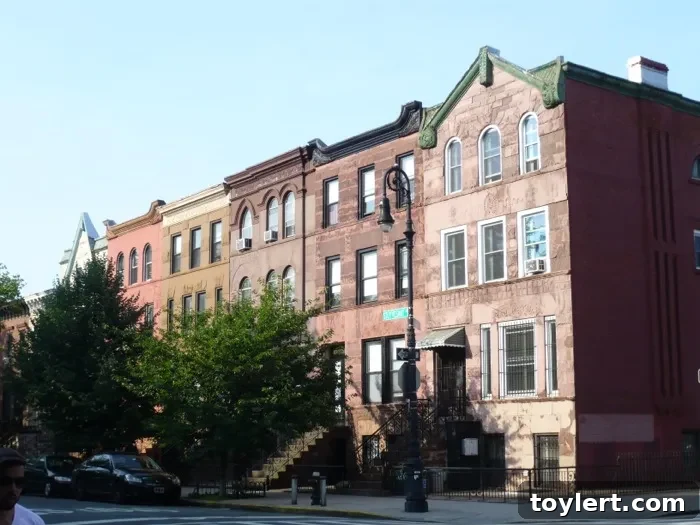
Certain neighborhoods are experiencing particularly intense demand. Michael Guerra, Douglas Elliman Executive Vice President, highlighted to the Daily News that “Prospect Heights and Crown Heights are super-hot right now.” These areas, known for their charming brownstones, vibrant cultural scenes, and excellent transit access, have long been desirable. However, their newfound “super-hot” status reflects a broadening appeal beyond traditional prime areas like Williamsburg or Dumbo, as renters seek value and character deeper within the borough.
The appeal of these neighborhoods often stems from:
- Architectural Character: Historic buildings and tree-lined streets offer a quintessential Brooklyn living experience.
- Community Vibe: Independent shops, diverse restaurants, and local parks foster a strong sense of community.
- Transit Accessibility: Excellent subway connections to Manhattan and other parts of Brooklyn are crucial for many residents.
- Amenities: Proximity to major attractions like Prospect Park, Brooklyn Botanic Garden, and cultural institutions adds significant value.
The continued gentrification and development in these and other Brooklyn neighborhoods further fuel their desirability, attracting a diverse mix of residents and contributing to the sustained upward pressure on rental prices.
The Queens Spillover: A New Frontier for Renters
As Brooklyn’s affordability wanes, the ripple effect is clearly visible in neighboring Queens. The Douglas Elliman report notes a distinct increase in rental inquiries for several Queens neighborhoods, indicating a strategic shift for many apartment hunters. Areas like Long Island City, Rego Park, Flushing, and Bayside are emerging as increasingly attractive alternatives for those priced out of or simply seeking more value than Brooklyn or Manhattan can offer.
Each of these Queens neighborhoods brings its unique blend of advantages:
- Long Island City (LIC): Boasting stunning waterfront views, a thriving arts scene, and incredibly convenient access to Manhattan via multiple subway lines, LIC has transformed into a prime destination. While not cheap, it often presents slightly more space or newer amenities for a comparable price to parts of Brooklyn.
- Rego Park: Offering a more suburban feel with diverse housing options, excellent shopping, and good transportation links, Rego Park appeals to families and individuals seeking a quieter lifestyle without sacrificing urban conveniences.
- Flushing: A vibrant and diverse hub, Flushing is renowned for its incredible culinary scene, bustling commercial centers, and strong community. Its accessibility to both Manhattan and other parts of Queens, coupled with relatively more affordable housing stock, makes it a magnet for many.
- Bayside: Located in northeastern Queens, Bayside offers a more suburban, residential atmosphere with good schools, green spaces, and a strong community feel. It appeals to those prioritizing space and a quieter environment, albeit with a longer commute to central Manhattan.
This geographical expansion of the rental search illustrates a broader trend: New Yorkers are adapting to the evolving landscape, seeking out communities that balance affordability, commute times, and quality of life. The increasing popularity of these Queens neighborhoods underscores their growing role in accommodating the city’s burgeoning rental population.
Understanding the Underlying Forces: Why Rents Are Soaring
The dramatic shifts in the NYC rental market are not isolated incidents but rather the result of a confluence of economic, social, and demographic factors:
- Robust Demand and Population Growth: New York City continues to be a global magnet, attracting talent and residents from around the world. A strong job market, particularly in tech and finance, draws in new people who need housing.
- Limited Supply: Despite ongoing development, the supply of new housing, especially truly affordable units, struggles to keep pace with demand. Land constraints, complex zoning regulations, and lengthy approval processes hinder rapid expansion of inventory.
- High Cost of Construction: Building in NYC is inherently expensive, from land acquisition to labor and materials. These costs are ultimately passed on to renters.
- Post-Pandemic Rebound: After an initial dip during the pandemic, the city has seen a strong return of residents, many of whom are eager to resume city life. This rapid influx has quickly absorbed any excess inventory.
- Inflationary Pressures: Broader economic inflation contributes to higher operating costs for landlords, which are then reflected in rent increases.
- Reduced Homeownership Feasibility: Rising interest rates and high home prices make purchasing a home in NYC an increasingly unattainable dream for many, pushing more individuals into the rental market by necessity.
These interconnected forces create a challenging environment for renters, leading to increased competition, higher prices, and the difficult decision to “stay put” rather than venture into an even more expensive market.
Implications for Renters, Landlords, and the City’s Future
The ongoing rent surge and the narrowing gap between Brooklyn and Manhattan have profound implications for various stakeholders:
- For Renters: The struggle for affordable housing intensifies. Renters face tough choices between sacrificing space, location, or a significant portion of their income. This can lead to increased financial stress, longer commutes, and a potential exodus of middle-income residents.
- For Landlords: While higher rents mean increased revenue and lower vacancy rates, landlords also face the challenge of tenant retention. Pushing rents too high could eventually lead to turnover if tenants find more attractive options further afield, or if economic conditions shift.
- For the City: Maintaining a diverse and vibrant population is crucial for NYC’s continued success. If housing becomes unaffordable for essential workers, artists, and young professionals, it could erode the city’s unique character and economic dynamism. Policymakers face pressure to address the housing crisis through zoning reforms, affordable housing initiatives, and tenant protections.
The current market dynamics highlight an urgent need for sustainable long-term solutions that address both supply and demand challenges, ensuring New York City remains accessible to all who wish to call it home.
Looking Ahead: What Does the Future Hold?
Forecasting the future of NYC’s rental market is always complex, but current trends suggest that upward pressure on rents, particularly in desirable Brooklyn neighborhoods and expanding areas of Queens, is likely to continue in the short term. The “stay put” phenomenon indicates a deep-seated lack of perceived value elsewhere, reinforcing the market’s tightness.
However, market corrections are always possible. A significant economic downturn, increased housing supply through new construction, or policy changes could temper rent growth. For now, renters should anticipate a competitive environment and be prepared to act quickly when suitable options arise, whether in Brooklyn, Queens, or other evolving boroughs.
The story of Brooklyn’s rising rents isn’t just about numbers; it’s about the evolving narrative of New York City, where boundaries blur, and every neighborhood plays a critical role in defining the urban experience.
Brooklyn Rents Soar to $3,035 Average, Closing Gap with Manhattan [NY Daily News]