Transforming Flatbush Avenue: A Comprehensive Look at Brooklyn’s Ambitious Streetscape Improvement Project
The bustling thoroughfare of Flatbush Avenue, a vital artery connecting various Brooklyn neighborhoods, is on the cusp of a significant transformation. The North Flatbush Avenue Business Improvement District (BID) recently provided an insightful update on its ambitious streetscape improvement project, an endeavor several years in the making that promises to redefine urban living and pedestrian experience in this dynamic part of New York City. This comprehensive capital project, anticipated to reach completion next year, is designed to elevate the functionality, aesthetics, and sustainability of the avenue, converting previously underutilized spaces into vibrant community hubs. While the area currently benefits from essential temporary enhancements, these are merely precursors to the expansive and permanent changes that lie ahead, reflecting a long-term vision for urban revitalization.
The Vision: Crafting Pedestrian-Centric Urban Spaces in Brooklyn
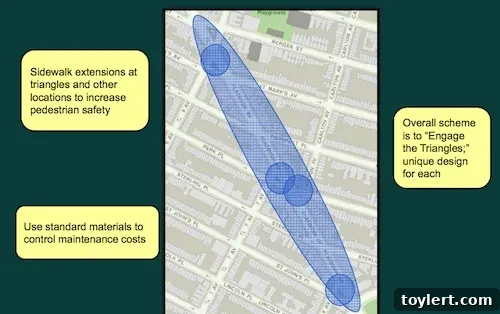
At the heart of the Flatbush Avenue streetscape project lies a profound commitment to human-centered urban design. The project’s core objective is to reclaim public space for pedestrians, transforming the often-overlooked Flatbush Avenue triangles at key intersections into inviting plazas and gathering spots. This strategic intervention goes beyond mere beautification; it represents a fundamental shift towards enhancing walkability, fostering community interaction, and improving safety for residents, commuters, and visitors alike. Imagine these once-neglected traffic islands blossoming into lively pedestrian havens, complete with thoughtful landscaping, comfortable seating, and an atmosphere conducive to lingering and connecting.
The reimagining of these triangular spaces into dedicated pedestrian zones is a critical component of the broader Flatbush Avenue urban renewal strategy. By expanding sidewalks and creating distinct areas away from vehicular traffic, the project aims to establish a more harmonious balance between cars and people. This will not only make strolling along Flatbush Avenue a more pleasant experience but also encourage more active transportation choices, contributing to a healthier, more sustainable urban environment. The design principles guiding this transformation prioritize accessibility, ensuring that these new public spaces are welcoming and usable by everyone, regardless of age or physical ability. This move is emblematic of modern urban planning trends that seek to prioritize quality of life for city dwellers through intelligent design and infrastructure investment.
Enhanced Connectivity and Safety: A Priority for Flatbush Avenue
Beyond creating attractive pedestrian plazas, the Flatbush Avenue streetscape improvement project places a strong emphasis on refining the overall pedestrian experience, particularly at crucial crossings. One of the project’s key facets involves significantly improving crossings along the avenue. This includes re-evaluating and potentially redesigning crosswalks, enhancing signalization, and incorporating traffic-calming measures to ensure safer transitions for pedestrians traversing this busy corridor. Safer crossings are paramount in urban environments, directly impacting accident rates and boosting the confidence of those who choose to walk or bike. These enhancements are not just about compliance with safety standards; they are about creating an intuitive and secure network for all road users, significantly reducing points of conflict between vehicles and pedestrians.
The meticulous planning extends to reviewing sightlines, optimizing traffic flow, and introducing clearer demarcation of pedestrian paths. These improvements are crucial for an avenue as dynamic and heavily trafficked as Flatbush. By implementing these measures, the project aims to create a more predictable and orderly environment, reducing the stress often associated with navigating urban intersections. Furthermore, the integration of new lighting solutions and clearer signage will contribute to enhanced visibility and safety, particularly during evening hours. This holistic approach to connectivity and safety is integral to the overall success of the Flatbush Avenue transformation, ensuring that the new public spaces are easily and safely accessible from all directions.
Embracing Green Infrastructure and Public Amenities
A cornerstone of the Flatbush Avenue streetscape project is the significant infusion of green infrastructure and public amenities, designed to enrich both the ecological health and social vibrancy of the neighborhood. The plans include adding substantial open space, strategically planting new trees, and introducing a diverse array of plants. These green elements are far more than aesthetic enhancements; they are functional components that contribute to the environmental resilience of the urban fabric. Trees and plants play a crucial role in improving air quality by absorbing pollutants, providing much-needed shade during hot summer months, and mitigating the urban heat island effect. Their presence also creates more inviting public realms, encouraging outdoor activity and fostering a deeper connection to nature within the urban setting.
The strategic incorporation of greenery extends beyond mere beautification to include vital ecological benefits. The new plantings will contribute to enhanced biodiversity, providing habitat for local wildlife and enriching the urban ecosystem. Moreover, these green spaces are designed to integrate seamlessly with the newly designated pedestrian areas, offering tranquil oases amidst the urban hustle. The carefully selected species of trees and plants will be resilient to urban conditions, requiring minimal maintenance while providing maximum impact. This emphasis on robust green infrastructure underscores the project’s commitment to long-term sustainability and creating a healthier environment for the Flatbush Avenue community.
Innovative Stormwater Management: The Role of Bioswales
In a progressive move towards sustainable urban development, the New York City Department of Environmental Protection (DEP) is a key partner in the Flatbush Avenue streetscape project, specifically spearheading the installation of bioswales. These innovative landscape features, planned for the triangular areas at 6th, 7th, and 8th Avenues, represent a crucial component of the project’s green infrastructure strategy. Bioswales are essentially vegetated channels designed to collect, convey, and infiltrate stormwater runoff, effectively reducing the volume of water entering the city’s combined sewer system. By naturally filtering pollutants and slowing down water flow, bioswales play a vital role in improving water quality and mitigating urban flooding, a growing concern in densely populated areas.
The DEP’s involvement highlights the project’s holistic approach to urban planning, integrating environmental protection with public space enhancement. Before installation, soil testing will be conducted to ensure that these specific areas can adequately support the bioswales and perform their intended function effectively. This meticulous planning ensures the longevity and efficiency of these green stormwater management solutions. The benefits extend beyond environmental protection; bioswales also contribute to the aesthetic appeal of the streetscape, adding another layer of greenery and natural beauty to the revitalized Flatbush Avenue. Their integration is a testament to the commitment to creating a resilient, environmentally conscious urban landscape for Brooklyn residents.
Activating Public Life with Cafe Culture
To truly animate the newly created pedestrian spaces and foster a vibrant community atmosphere, the Flatbush Avenue streetscape project includes the thoughtful addition of cafe tables and chairs. This element is instrumental in transforming passive public areas into dynamic social hubs. By providing opportunities for outdoor dining, casual meetings, or simply enjoying a moment of respite, these amenities encourage residents and visitors to linger, socialize, and engage with their surroundings. The presence of cafe seating can significantly enhance the street-level experience, making Flatbush Avenue a more inviting and interactive destination rather than merely a thoroughfare.
The integration of cafe culture into the public realm has proven successful in urban centers worldwide, breathing life into streetscapes and supporting local economies. For businesses along Flatbush Avenue, these new outdoor seating options present an invaluable opportunity to expand their customer base and contribute to a more bustling and attractive commercial corridor. The vision is to create a lively street scene where the boundaries between commercial activity and public enjoyment blur, fostering a sense of shared community space. This thoughtful amenity underscores the project’s goal of creating not just beautiful spaces, but functional ones that genuinely serve the needs and desires of the Brooklyn community, making Flatbush Avenue a more desirable place to live, work, and visit.
A Collaborative Journey Towards Completion
The intricate nature of the Flatbush Avenue streetscape project necessitates a highly collaborative effort, involving multiple city agencies and expert partners. This multi-stakeholder approach ensures that all aspects of urban planning, infrastructure, and community needs are meticulously addressed. City agencies, having already submitted their comments on the proposed design, play a critical role in regulatory oversight and ensuring the project aligns with broader urban development goals. Their input is invaluable for navigating the complexities of municipal planning and guaranteeing that the final design meets rigorous standards for safety, accessibility, and environmental impact.
Parsons, a recognized leader in engineering and design and a key partner in this significant undertaking, is tasked with incorporating all suggestions and feedback into an updated design. This iterative design process is crucial for refining the project plans, ensuring they reflect the latest best practices and stakeholder requirements. The continuous dialogue between the North Flatbush Avenue BID, city agencies, and design partners like Parsons demonstrates a commitment to transparency and inclusivity. This collaborative framework ensures that the project progresses efficiently, integrating diverse perspectives to create a comprehensive and successful streetscape transformation for the benefit of all who live and work near Flatbush Avenue. The anticipation for the new design, which will be available shortly, underscores the community’s keen interest in the project’s evolution.
The Path Ahead: From Soil Testing to Final Design
As the Flatbush Avenue streetscape project moves closer to its full capital implementation, several critical steps are underway to pave the way for construction. The DEP’s immediate focus on soil testing for the bioswale installations at 6th, 7th, and 8th Avenues is a prime example of the meticulous preparatory work being conducted. This essential step is vital for ensuring the geological suitability of the sites for green infrastructure components, guaranteeing their long-term effectiveness and stability. Accurate soil analysis will inform precise design specifications for the bioswales, optimizing their capacity for stormwater management and ecological benefits. This detailed planning prevents potential issues and ensures that environmental interventions are both robust and sustainable.
Following the integration of agency feedback and the completion of site-specific analyses, Parsons will release the refined design, offering the public a clearer visualization of the transformed Flatbush Avenue. This next iteration of the design will reflect months of dedicated work, incorporating technical insights, community input, and the collective expertise of all involved parties. The release of this updated plan will mark another significant milestone, generating further excitement and providing a concrete blueprint for the capital project’s execution. The journey towards a revitalized Flatbush Avenue is a testament to persistent urban planning, collaborative effort, and a shared vision for a more vibrant, pedestrian-friendly Brooklyn.
A Model for Urban Revitalization and Community Development
The Flatbush Avenue streetscape improvement project is more than just a series of infrastructure upgrades; it is a visionary undertaking poised to set a new standard for urban revitalization and community development in Brooklyn. By transforming underutilized spaces into dynamic pedestrian plazas, enhancing safety at crossings, integrating extensive green infrastructure, and fostering an inviting cafe culture, the project aims to cultivate a more livable, sustainable, and economically vibrant Flatbush Avenue. This initiative by the North Flatbush Avenue BID, in close collaboration with city agencies and design experts, showcases how thoughtful urban planning can profoundly enhance the quality of life for residents and visitors alike.
Upon its completion, the project will serve as a compelling example of how a holistic approach to streetscape design can foster stronger community bonds, encourage local commerce, and significantly improve the environmental health of an urban corridor. The revitalized Flatbush Avenue will not only be a more functional and beautiful place but also a thriving hub that reflects the diverse and energetic spirit of Brooklyn. This transformation underscores the power of strategic investment in public spaces, proving that with careful planning and collaborative effort, even the busiest urban arteries can evolve into cherished community assets, contributing significantly to the fabric of New York City.