Discovering Architectural Gems: Historic Mid-19th Century Homes for Sale Upstate New York
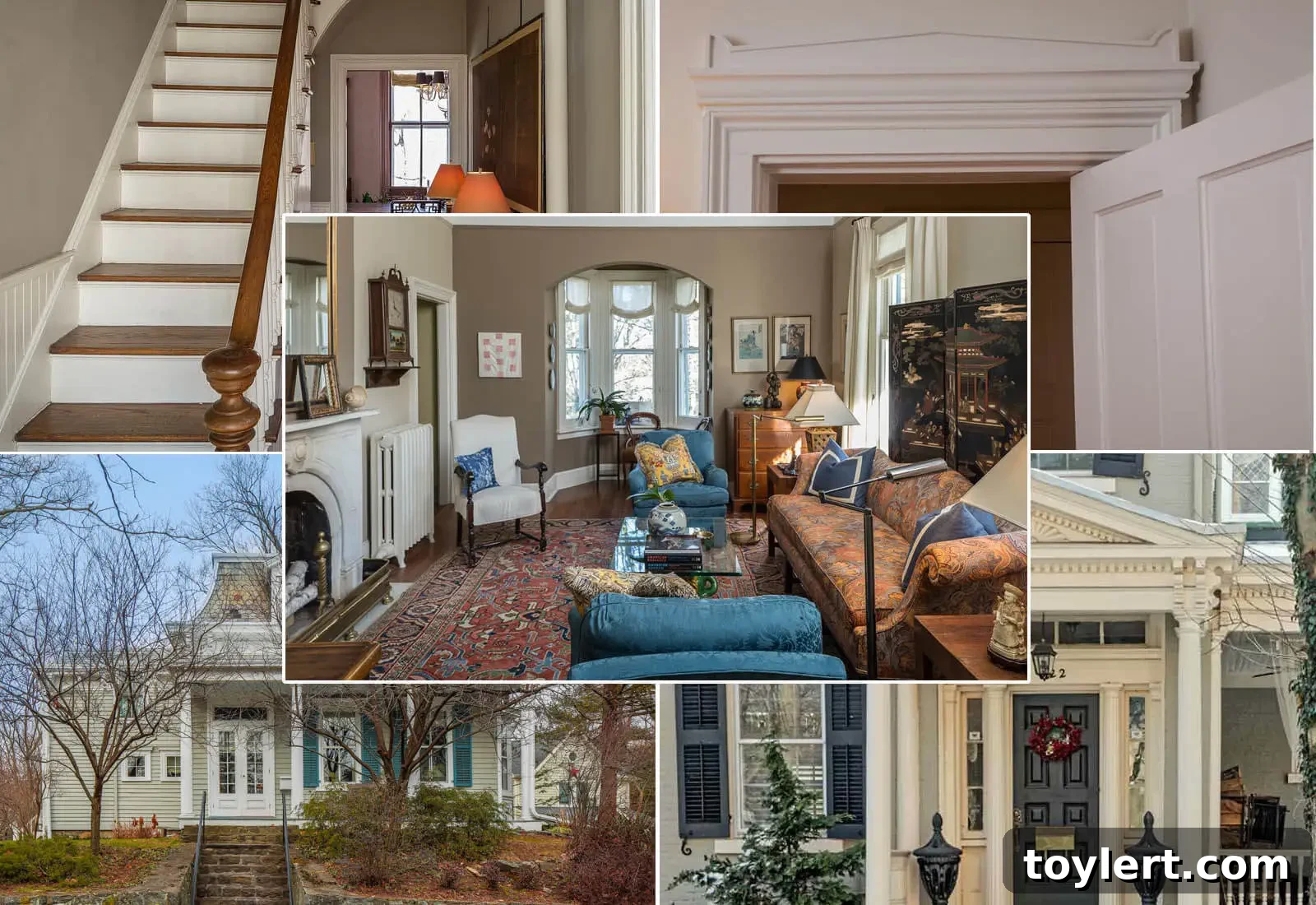
Nestled just north of the bustling metropolis of New York City, the picturesque landscape of Upstate New York is a treasure trove of history and architectural beauty. While properties from the mid-19th century are not uncommon in this region, truly exceptional examples—those that have meticulously preserved their original character and intricate detailing—are a rare find. It is with great excitement that we spotlight two such magnificent homes currently on the market, each a testament to a bygone era of craftsmanship and design. One of these distinguished residences has even earned a prestigious preservation award, underscoring its remarkable historical integrity and the dedication put into maintaining its grandeur.
These aren’t just houses; they are living pieces of history, offering an unparalleled opportunity for those who cherish authentic historical architecture. For the discerning old-house lover, the appearance of such meticulously maintained properties in listings is an event that truly makes the heart quicken, promising a blend of timeless elegance and the unique stories embedded within their walls. Their presence on the market signifies a chance to own not just a home, but a significant piece of America’s rich architectural heritage, set against the serene backdrop of Upstate New York.
The Enduring Allure of Upstate New York’s Historic Real Estate Market
Upstate New York offers a unique lifestyle, combining tranquil natural beauty with vibrant communities rich in history and culture. Towns like Scarsdale, known for its picturesque landscapes and charming neighborhoods, and Kingston, with its deeply rooted historical significance and burgeoning arts scene, represent the diverse appeal of the region. This proximity to New York City makes it an ideal location for those seeking an escape from urban intensity without sacrificing convenience or access to amenities. The real estate market here, particularly for historic homes, is distinct. While many older structures have seen various renovations over the decades, properties that retain their original architectural features and charm are highly coveted. They stand as magnificent reminders of the region’s prosperity and sophisticated tastes of its early inhabitants.
The demand for well-preserved historic homes reflects a growing appreciation for authenticity and character that modern constructions often lack. Buyers are increasingly drawn to homes with stories, homes that embody a sense of permanence and connection to the past. These two featured properties epitomize this demand, representing not merely dwellings but valuable heritage assets. Their availability presents a rare window into owning a piece of the past, offering both a unique residence and a sound investment in enduring beauty and historical significance within the dynamic Upstate NY real estate landscape.
Unveiling Architectural Masterpieces: Greek Revival Splendor
One of the exceptional properties currently listed showcases the majestic Greek Revival architectural style, a beacon of classical elegance in American design. Originating in the early 19th century, Greek Revival became a dominant architectural force, particularly between the 1820s and 1860s, reflecting America’s burgeoning democratic ideals and admiration for ancient Greece. This style is characterized by its imposing facades, often featuring grand columns (Doric, Ionic, or Corinthian), prominent pediments, and symmetrical designs that evoke the temples of antiquity. Entryways are typically elaborate, with wide pilasters and transoms, contributing to a sense of formality and grandeur.
The specific Greek Revival home highlighted here is a remarkable example of the style’s enduring appeal. Its preservation award is a testament to the meticulous care taken to maintain its original elements, from the intricate moldings and high ceilings to the period-appropriate windows and flooring. Such a distinction is not merely an honor; it signifies that the property stands as an exemplary model of historical conservation, offering future owners a home where every detail tells a story of its origins. Owning a Greek Revival home is akin to living within a sculptural work, where every line and proportion speaks to a foundational moment in American architectural history, providing an atmosphere of timeless sophistication and a tangible link to the past.
The Eclectic Charm: Italianate and Second Empire Influences
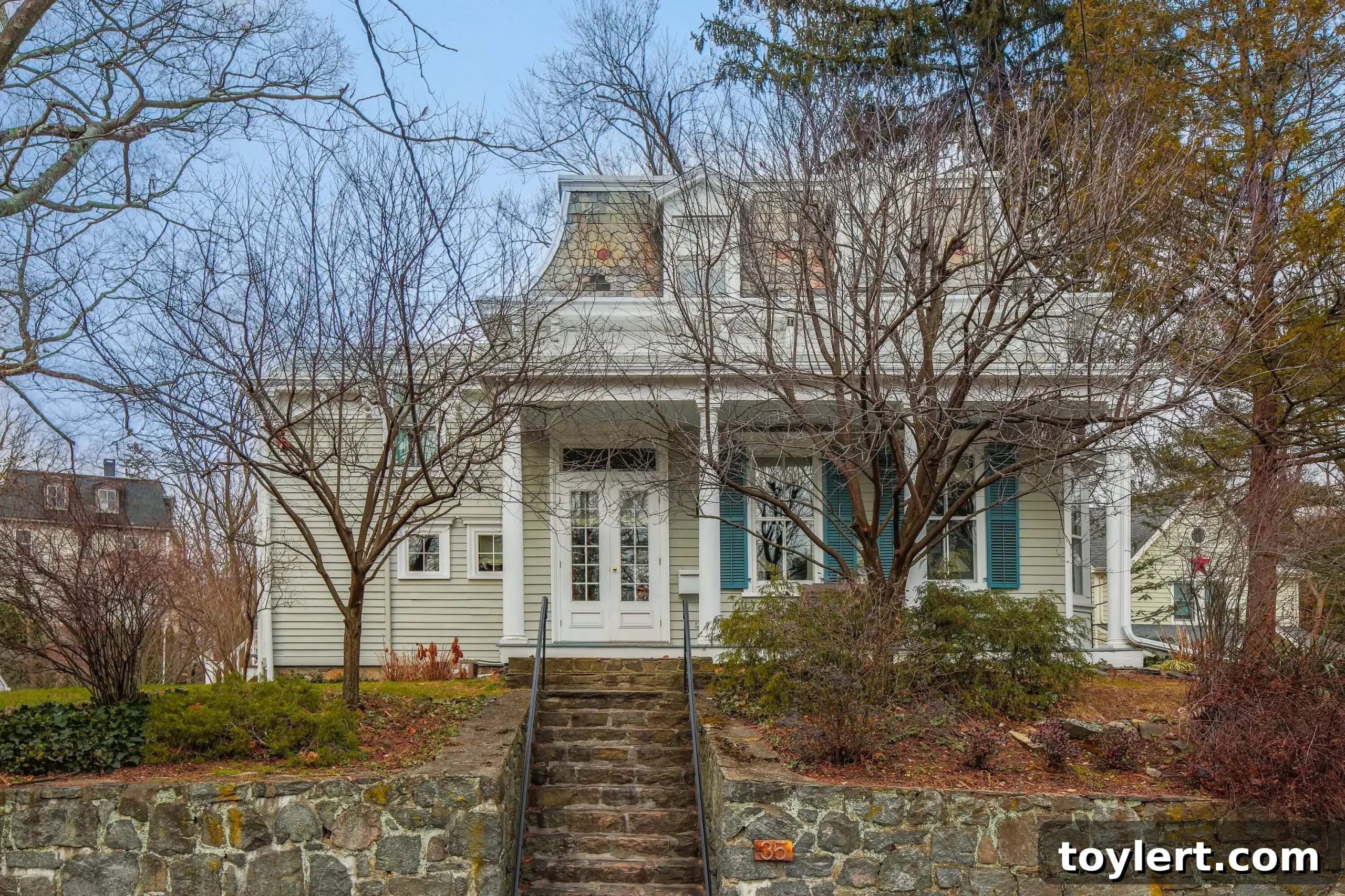
The second extraordinary residence on offer presents a fascinating evolution of mid-19th century design, blending the romantic sensibilities of Italianate architecture with the distinct grandeur of the Second Empire style, crowned by its iconic mansard roof. Emerging slightly later than Greek Revival, the Italianate style gained popularity from the 1840s to the 1880s, inspired by the picturesque villas of the Italian countryside. Key features often include low-pitched roofs with wide, projecting eaves supported by decorative brackets, tall, narrow windows often arched or crowned with elaborate hoods, and sometimes a square cupola or tower, adding to its vertical emphasis and visual drama.
This particular home thoughtfully incorporates these Italianate details, suggesting an era of increasing ornamentation and stylistic freedom. What truly sets it apart, however, is the striking presence of a Second Empire-style mansard roof. The Second Empire style, prevalent from the 1860s to the 1880s, takes its name from the reign of Napoleon III in France, where it originated. Its most defining characteristic is the mansard roof, a four-sided gambrel-style hip roof, characterized by two slopes on each of its sides with the lower slope, punctured by dormer windows, at a steeper angle than the upper. This design not only adds a distinctive silhouette and imposing stature but also creates usable attic space, often featuring full rooms and abundant light. The combination of Italianate elegance with the practicality and panache of a Second Empire mansard roof makes this home a truly unique architectural specimen, representing a transitional period in American design where opulence and innovation converged, making it an irresistible find for enthusiasts of intricate and historically significant structures.
More Than Just Houses: A Legacy of Craftsmanship and History
What truly elevates these properties beyond mere dwellings is their “bounty of historic detail.” This phrase encapsulates a world of period-specific craftsmanship that is virtually irreplaceable today. We’re talking about original plaster moldings adorning ceilings, intricate carved wood trim around doorways and windows, wide-plank hardwood floors that have gracefully withstood generations, and authentic hardware that feels substantial and tells a story with every touch. Fireplaces, often functioning and featuring elaborate mantels, serve as focal points in many rooms, echoing the social gatherings and quiet moments of previous inhabitants. These details are not just decorative; they are integral to the architectural narrative of each home, embodying the artistry and dedication of the artisans who built them.
For an old-house lover, these elements are the soul of the property. They offer a tangible connection to the past, a sense of continuity that modern homes simply cannot replicate. The romance of stepping into a space where every beam, every windowpane, and every door knocker has witnessed decades, if not a century and a half, of life is profound. This emotional resonance is a significant part of the appeal, but so too is the sheer quality of construction. Built before the era of mass production, these homes often feature superior materials and construction techniques designed for longevity, presenting a robust foundation for future stewardship. Owning such a home is not just about acquiring property; it’s about becoming a custodian of history, preserving a legacy of beauty and craftsmanship for generations to come.
Investing in Heritage: The Practical Side of Historic Home Ownership
Beyond their aesthetic and historical charm, these mid-19th century homes in Upstate New York also represent a compelling investment opportunity. Historic properties often appreciate in value due to their inherent uniqueness, architectural significance, and the finite supply of such well-preserved examples. While owning a historic home does come with its unique set of considerations, including specialized maintenance and potential restoration projects, the rewards far outweigh the challenges for the right owner. Many communities, particularly in historically rich areas, offer resources, grants, or tax incentives for the preservation of historic homes, making stewardship more accessible and financially viable.
The distinctive character of a Greek Revival masterpiece or a home blending Italianate and Second Empire grandeur ensures that these properties stand out in any real estate market. In a world increasingly dominated by uniformity, the individuality and authenticity of these homes provide an unparalleled living experience. They offer spacious layouts, often with high ceilings and generous rooms, a stark contrast to more compact contemporary designs. This blend of historical significance, architectural integrity, and potential for long-term value makes these two particular listings exceptionally attractive for anyone dreaming of owning a piece of the past while enjoying the comforts of a unique and cherished residence in the beautiful Upstate New York region.
The opportunity to acquire a home of such distinction, brimming with character and boasting a celebrated past, is indeed rare. These mid-19th century treasures, each embodying a distinct yet equally captivating architectural narrative, offer more than just shelter; they offer a profound connection to history and a lifestyle imbued with elegance and grace. For those who appreciate the irreplaceable artistry of yesteryear and dream of being part of a continuing legacy, these historic Upstate New York homes represent an invitation to embrace a truly extraordinary future.