Unveiling 154 North 7th Street: A Deep Dive into Williamsburg’s Dynamic Development
Williamsburg, Brooklyn, has long stood as a testament to urban evolution, a dynamic neighborhood where historic charm seamlessly blends with relentless modernization. Within this vibrant tapestry, every new construction project tells a crucial part of the broader narrative. A particularly noteworthy endeavor, which captured significant attention around 2011, was the residential building project at 154 North 7th Street. Nestled in a prime location, this development, while modest in scale compared to some of its larger, more imposing neighbors, represented a key piece in the intricate mosaic of Williamsburg’s burgeoning real estate market.
The Genesis of a Project: Early Stages at 154 North 7th Street
In the energetic core of Williamsburg, the development at 154 North 7th Street emerged as a vital, if understated, addition to the neighborhood’s ever-evolving urban landscape. Around the time of its initial public coverage, this project garnered interest not least for its close proximity to the more prominent “Finger building”—a recognizable landmark that often symbolized the larger-scale transformations sweeping across this part of Brooklyn. However, in stark contrast, 154 North 7th Street was designed with a comparatively smaller footprint, conceptualized as a four-story structure. This deliberate scale hinted at a growing trend towards more intimate, yet highly desirable, boutique residential offerings within an area increasingly defined by its blend of historical character and contemporary luxury.
Project Scope and Initial Observations in 2011
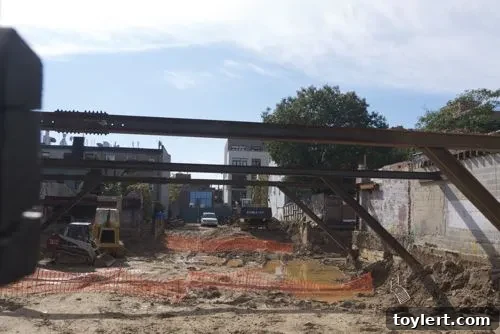
According to official records obtained from the NYC Department of Buildings (DOB), the plans for this site outlined a thoughtfully designed residential development slated to house a total of 18 units. This number, while not indicative of a high-rise tower, signified a purposeful and meaningful contribution to Williamsburg’s consistently high demand for housing. For prospective residents, 18 units promised a more exclusive and potentially community-oriented living environment, fostering closer connections among occupants compared to larger, more anonymous complexes. During its nascent stages, as extensively documented by various urban development blogs and news outlets such as Curbed in 2011, construction progress at 154 North 7th Street was still in its very early phases. Observers noted that while the architectural vision was clear, the physical manifestation of the project was just beginning, laying the essential groundwork for what would eventually become a highly sought-after address in one of Brooklyn’s most desirable locales.
Understanding the detailed context of such urban developments is significantly enhanced by transparent and publicly accessible resources. For those with a keen interest in tracking its journey from conception to completion, crucial information was (and largely remains) readily available through official channels:
- Geographic Location: The site can be precisely pinpointed on Google Maps, offering essential spatial orientation within the bustling and vibrant North 7th Street corridor.
- Development Records: Comprehensive job filings, permit applications, and detailed property information were (and still are) accessible via the NYC Department of Buildings (DOB), ensuring transparency into the project’s legal, structural, and administrative progress.
Williamsburg’s Real Estate Tapestry: The Context for 154 North 7th Street
To truly grasp the full significance of a project like 154 North 7th Street, one must contextualize it within the sweeping narrative of Williamsburg’s unparalleled real estate boom. By 2011, Williamsburg had firmly cemented its reputation as one of Brooklyn’s most coveted neighborhoods, a dramatic transformation from its earlier industrial identity. This profound shift was propelled by a powerful confluence of factors: its unbeatable strategic proximity to Manhattan via the efficient L train, a burgeoning and internationally recognized arts and culture scene, and a significant influx of young professionals, artists, and families all seeking a vibrant, distinctive urban lifestyle that offered a refreshing alternative to Manhattan.
A Neighborhood in Flux: From Industrial Hub to Cultural Hotspot
The early 2000s marked a pivotal era where Williamsburg began to shed its industrial skin, ushering in an unprecedented wave of gentrification and development that would fundamentally redefine its skyline and demographic makeup. Vast warehouses and sprawling factories were ingeniously converted into highly sought-after trendy lofts, while previously vacant lots became fertile ground for ambitious new residential and mixed-use buildings. This period was characterized by a crucial demographic and economic shift, attracting a diverse array of new residents and fostering a unique blend of historical architecture seamlessly integrated with cutting-edge modern design. Consequently, the demand for housing, particularly for well-located, high-quality residential units, skyrocketed, creating a fiercely competitive market.
The North 7th Street Corridor: A Highly Coveted Location
North 7th Street itself holds a particularly special and strategic place within the greater Williamsburg area. It serves as a bustling corridor that powerfully encapsulates the neighborhood’s energetic pulse, offering residents unparalleled access to a wealth of diverse amenities. From artisanal coffee shops and independently owned boutiques to critically acclaimed restaurants and lively bars, the street perpetually buzzes with activity. Its enviable proximity to Bedford Avenue, the essential L train subway station, and the picturesque waterfront parks offering stunning views of the Manhattan skyline, significantly elevates its desirability. Developments such as 154 North 7th Street were strategically positioned to capitalize on these inherent advantages, promising future residents a quintessential and highly authentic Williamsburg experience right at their doorstep.
Architectural Vision and Seamless Urban Integration
Despite its noted “diminutive” four-story stature, the conceptual design and eventual integration of 154 North 7th Street into the existing urban fabric would have been the result of meticulous planning and thoughtful consideration. In a densely populated urban environment like Williamsburg, every new building, regardless of its size, makes a distinct contribution to the overall streetscape and the neighborhood’s aesthetic identity. A four-story residential building, particularly one engineered to house 18 individual units, typically suggests a concerted commitment to providing comfortable, intelligently designed living spaces within the context of a more manageable and intimate community setting.
Design Philosophy for Modern Boutique Developments
Boutique residential projects in Williamsburg frequently prioritize thoughtful, efficient layouts, premium quality finishes, and curated amenities that cater specifically to a discerning urban clientele. For a building comprising 18 units, this often translates into more generously sized apartments than those found in larger, more sprawling developments, or perhaps a greater emphasis on unique architectural details and custom elements that enable the building to distinguish itself while simultaneously harmonizing with its surrounding structures. The overarching goal would be to meticulously craft not merely residences, but true homes that authentically reflect the vibrant, modern, and artistic spirit of Williamsburg, integrating desirable features such as expansive windows to maximize natural light, state-of-the-art contemporary kitchens, and potentially shared communal outdoor spaces or private balconies that enhance the urban living experience.
The construction image, which vividly captures the early structural beams, provides a tangible and compelling glimpse into the foundational work and intricate engineering required for such an urban infill project. It powerfully underscores the precision, expertise, and careful planning involved in bringing new structures to life within the often tight and challenging confines of a bustling city, systematically laying the robust groundwork for what would eventually evolve into a fully realized residential haven.
Economic and Social Reverberations in the Community
Every new building project, irrespective of its specific scale or designated purpose, sends discernible ripples through the local economy and the broader social landscape. The development at 154 North 7th Street was certainly no exception to this phenomenon, actively contributing to multiple facets of Williamsburg’s relentless growth and ongoing transformation.
Boosting Local Economy and Addressing Housing Supply
The construction phase of any significant development inherently generates substantial economic activity, creating a diverse array of job opportunities for skilled laborers, visionary architects, diligent engineers, and various specialized tradespeople. Beyond the immediate impact of construction, the introduction of 18 brand-new residential units directly addressed the persistent and pressing demand for housing in Williamsburg. By strategically adding to the existing housing stock, such projects play a crucial role in accommodating the continuous influx of new residents, thereby potentially stabilizing market pressures or, at the very least, offering more varied options within an increasingly competitive real estate environment. These new residents, in turn, become active contributors to the local economy by patronizing neighborhood businesses, ranging from cozy cafes and essential grocery stores to trendy boutiques and vibrant entertainment venues, thus fostering a symbiotic economic relationship.
Community Dynamics and the Gentrification Debates
The ongoing and rapid development in Williamsburg, encompassing projects both large and small like 154 North 7th Street, has consistently been an integral part of a much broader and often contentious conversation surrounding gentrification. While new developments undoubtedly bring about economic growth, modern infrastructure, and desirable amenities, they simultaneously raise profound questions regarding affordability, potential displacement of long-term residents, and the preservation of the unique neighborhood character. These complex discussions are absolutely integral to understanding the intricate social dynamics actively at play in rapidly developing urban areas, consistently highlighting the continuous and delicate balancing act between urban progress and its multifaceted community impact. The arrival of 18 new residential units and their future inhabitants undeniably contributed to the ever-evolving social fabric and demographic profile of North Williamsburg.
The Enduring Legacy of Urban Development in Brooklyn
Projects like 154 North 7th Street, observed and documented in their nascent stages around 2011, offer a truly fascinating and invaluable perspective on the intricate timelines and processes inherent in urban development. What initially began as a detailed plan for a four-story, 18-unit residential building eventually blossomed into an integral and functional part of Williamsburg’s built environment. Its meticulous journey from initial blueprints and planning documents to a fully completed and inhabited structure beautifully mirrors the broader narrative of Brooklyn’s relentless architectural evolution and its continuous, dynamic pursuit of growth and modernization.
From Past to Present: A Significant Snapshot in Time
Revisiting the initial reports, architectural renderings, and early construction images from over a decade ago allows us to deeply appreciate the foresight involved in identifying and developing prime urban sites, and to witness firsthand the profound transformation that inevitably follows. The “not much progress” observed in early photographs eventually evolved into a fully functional and vibrant residential building, which now seamlessly contributes to the daily lives of its inhabitants and significantly enhances the overall vibrancy of North 7th Street. This particular development stands as a powerful testament to the continuous and cyclical process of urban planning, meticulous construction, and subsequent inhabitation that fundamentally defines and propels our dynamic urban centers forward.
Conclusion: 154 North 7th Street – A Microcosm of Williamsburg’s Unfolding Growth
The residential development at 154 North 7th Street in Williamsburg, while initially noted for its modest scale and early construction phase around 2011, represents far more than just another building in a bustling city. It stands as a compelling microcosm of the profound and multifaceted transformations that have systematically reshaped one of Brooklyn’s most iconic and sought-after neighborhoods. From its strategically advantageous location near the historically significant “Finger building” to its provision of 18 thoughtfully designed residential units, this project eloquently embodied the spirit of expansion, innovation, and modernization that characterized Williamsburg during a truly pivotal decade.
This particular development powerfully underscores the intricate and delicate dance between visionary urban planning, the relentless forces of market demand, and the continuous, organic evolution of community life. As Williamsburg ceaselessly continues its journey of development and adaptation, understanding the genesis, execution, and lasting impact of projects like 154 North 7th Street provides invaluable insight into the complex forces that tirelessly mold and redefine our urban landscapes. It offers a rich, essential historical context for appreciating the vibrant, diverse, and ever-changing Brooklyn we passionately know and inhabit today. Its compelling story serves as a vivid and enduring reminder of how individual constructions, when viewed collectively, intricately weave the complex, beautiful, and perpetually evolving tapestry of a truly dynamic global city.