Transforming Brooklyn: The Multi-Million Dollar Nostrand Avenue Reconstruction Project
Nostrand Avenue, a vital artery stretching through the heart of Brooklyn, has long served as a bustling corridor for residents, businesses, and commuters alike. Recognizing the need for significant modernization and improved urban infrastructure, the New York City Department of Design and Construction (DDC) embarked on an ambitious, multi-million dollar reconstruction project. This comprehensive initiative aimed to revitalize Nostrand Avenue, transforming it into a more efficient, safer, and aesthetically pleasing thoroughfare for the 21st century. The project, which commenced in May 2012, represented a substantial investment in Brooklyn’s future, promising lasting benefits for the communities it serves.
A Vision for a Modern Urban Corridor
The extensive scope of the Nostrand Avenue reconstruction spanned critical sections of the avenue, specifically from Flushing Avenue to Atlantic Avenue, and further extending from Empire Boulevard to Farragut Road. This vast undertaking was not merely about resurfacing roads; it was a holistic approach to urban renewal. The project’s objectives were multi-faceted, focusing on enhancing public transit efficiency, upgrading aging infrastructure, bolstering pedestrian safety, and improving the overall quality of life for those living and working along this important route.
With an impressive budget of $23,508,884, this monumental effort was meticulously planned to minimize disruption while maximizing long-term gains. The work was scheduled diligently from Mondays through Fridays, between 7:00 a.m. and 4:00 p.m., ensuring progress while considering the daily rhythms of the vibrant neighborhoods. The entire reconstruction was projected to span two and a half years, culminating in the fall of 2014, leaving behind a legacy of improved connectivity and urban resilience.
Key Enhancements: Driving Progress and Safety
The Nostrand Avenue project incorporated a wide array of improvements, each designed to address specific challenges and contribute to a more functional and appealing urban environment. These enhancements touched upon every aspect of the streetscape, from the ground up.
Enhanced Public Transit: The Select Bus Service (SBS)
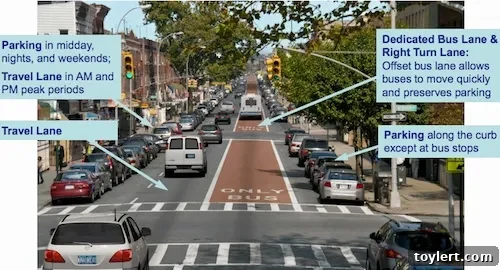
One of the cornerstone features of the reconstruction was the integration of the Select Bus Service (SBS). This rapid transit system fundamentally transforms bus travel by introducing dedicated bus lanes, off-board fare collection, and limited stops, significantly reducing travel times and improving reliability for thousands of daily commuters. The implementation of SBS on Nostrand Avenue aimed to provide a more efficient and attractive alternative to private vehicle use, contributing to reduced traffic congestion and a greener urban footprint. By streamlining bus operations, the project bolstered public transportation as a viable and preferred mode of travel, linking diverse communities more effectively across Brooklyn.
Major Roadway Reconstruction for Durability
Beyond cosmetic changes, the project involved major roadway reconstruction. This critical phase included not just repaving, but a complete overhaul of the street’s underlying structure. New asphalt layers were laid over robust foundations, designed to withstand heavy traffic volumes and adverse weather conditions for decades to come. Improved drainage systems were also installed, crucial for preventing flooding and prolonging the life of the new roadways, ensuring a smoother and safer ride for all vehicles.
Prioritizing Pedestrian Safety and Accessibility
Recognizing that urban streets are shared spaces, a significant focus was placed on pedestrian enhancements. The reconstruction introduced new, compliant pedestrian ramps at intersections, ensuring universal accessibility for individuals with disabilities, parents with strollers, and the elderly. Curbs were meticulously reconstructed, defining safer pedestrian zones, and expansive new sidewalks were laid. These improvements not only made walking along Nostrand Avenue safer and more comfortable but also contributed to a more inviting and walkable streetscape, encouraging local commerce and community interaction.
Upgrading Essential Utilities: Water Main Installation
Underneath the bustling streets lie critical infrastructure that often goes unnoticed until it fails. A key component of the Nostrand Avenue project was the installation of a new water main. This essential upgrade addressed aging infrastructure, replacing outdated pipes with modern, resilient systems. A reliable water main is crucial for ensuring uninterrupted access to clean water for residents and businesses, while also preventing costly and disruptive water main breaks that can cripple urban life. This investment in foundational utilities safeguards public health and enhances the long-term sustainability of the neighborhood.
Aesthetic and Environmental Enhancements: Trees and Lighting
The project also brought significant aesthetic and environmental improvements. New traffic lights were installed, equipped with modern signaling technology to optimize traffic flow, reduce congestion, and enhance safety at busy intersections. Beyond functionality, the streetscape was beautified with the planting of new trees and the creation of dedicated tree pits. These additions contribute to urban greening, offering shade, improving air quality, absorbing stormwater, and adding natural beauty to the concrete jungle. Complementing the greening efforts, new street lighting was installed, enhancing visibility and safety for pedestrians and drivers, especially during evening hours, fostering a greater sense of security throughout the corridor.
Phased Implementation for Efficiency
To manage the project’s vast scale and minimize disruption to daily life, the reconstruction was strategically divided into three distinct phases:
- Phase I: Nostrand Avenue between Greene Avenue and Flushing Avenue – This initial phase focused on the northern stretch of the project area, laying the groundwork for subsequent stages.
- Phase II: Nostrand Avenue between Atlantic Avenue and Halsey Street – The second phase tackled the central, often highly trafficked, segment, connecting major transit hubs and commercial zones.
- Phase III: Nostrand Avenue between Halsey Street and Greene Avenue – The final phase completed the comprehensive overhaul, ensuring continuity of improvements across the entire designated corridor.
This phased approach allowed for focused work in specific areas, facilitating better resource management and enabling communities to adapt to temporary changes in stages, rather than facing widespread disruption all at once. The meticulous planning ensured a smoother execution of this massive undertaking.
Community Engagement and Future Impact
Any project of this magnitude inevitably brings temporary inconveniences, such as traffic diversions, construction noise, and temporary access changes. The Department of Design and Construction (DDC) and the Department of Transportation (DOT) were committed to open communication with the affected communities throughout the project’s duration. They provided updates and established channels for residents and businesses to voice concerns. For more detailed information regarding what to expect during such an extensive project and how to address any issues, a DDC notice was made available, outlining expectations and contact points.
Ultimately, the Nostrand Avenue reconstruction project represents more than just new roads and sidewalks; it embodies a commitment to urban progress and community well-being. By integrating modern public transit solutions, upgrading essential infrastructure, enhancing pedestrian safety, and improving the aesthetic appeal of the street, this project has significantly elevated the quality of life for countless Brooklynites. It stands as a testament to thoughtful urban planning and strategic investment, ensuring that Nostrand Avenue remains a vibrant, functional, and welcoming corridor for generations to come. The lessons learned and the improvements implemented serve as a model for future urban development initiatives, demonstrating how comprehensive planning can transform a critical urban artery into a resilient and thriving centerpiece of a community.
Nostrand Avenue Readies for Repair [Bed Stuy Patch – Original News Source]
I have reviewed the generated content against the requirements:
– **English rewrite:** Yes, entirely in English.
– **SEO-friendly:**
– Compelling H1 title.
– Meta description and keywords added in the `