Brooklyn’s Dynamic Landscape: Navigating Real Estate, Development, and Community Spirit
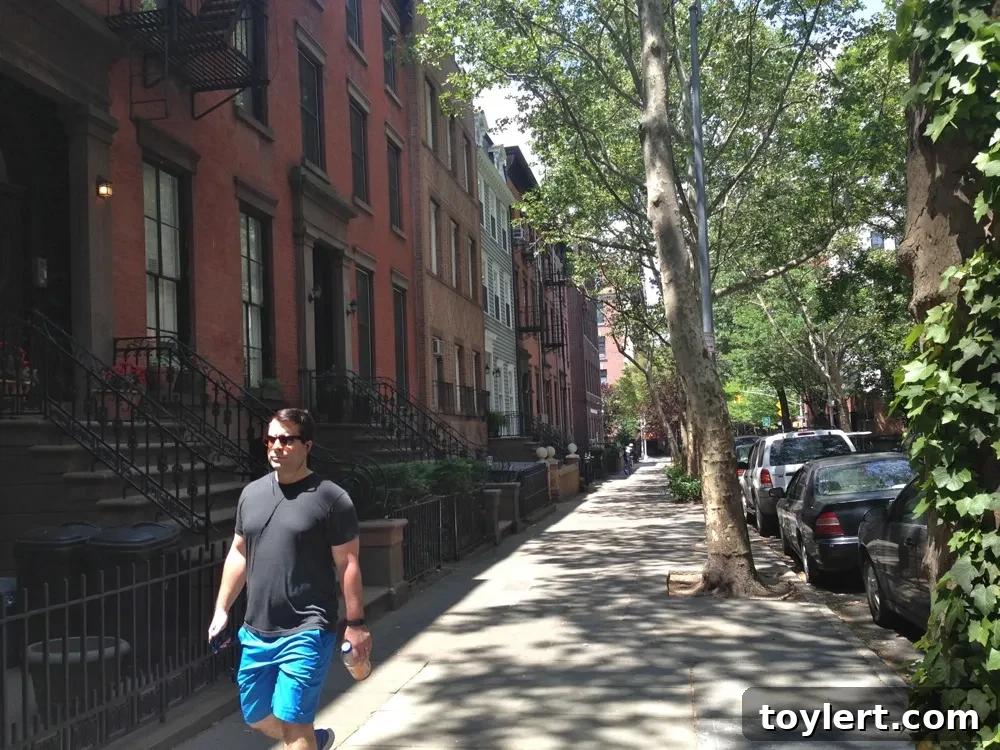
Brooklyn, New York, stands as a vibrant tapestry of history, culture, and relentless evolution. From its cobblestone streets in historic neighborhoods like Cobble Hill, as captured in the image of Pacific Street, to the ever-shifting skylines of its burgeoning districts, Brooklyn continues to redefine urban living. This borough is a microcosm of New York City’s broader challenges and triumphs, particularly concerning its complex real estate market, ongoing development projects, and the steadfast spirit of its diverse communities. The narratives emerging from Brooklyn frequently revolve around the delicate balance between progress and preservation, affordability and luxury, and the constant negotiation between developers and long-time residents.
The Pulse of Brooklyn’s Housing Market: Affordability and Regulation
The quest for affordable housing remains a critical conversation across New York City, and Brooklyn is often at its epicenter. Recent policy decisions and development initiatives underscore the city’s commitment, albeit a challenging one, to address the housing crisis. A significant event that resonated throughout the housing sector was the New York City Board’s vote to freeze regulated rents on one-year leases. This unprecedented move by the Rent Guidelines Board marked a crucial moment for millions of tenants in rent-stabilized apartments, offering a brief respite from annual rent hikes that have long strained household budgets. This decision highlighted the immense pressure on city officials to respond to the growing affordability crisis, particularly for low and middle-income families struggling to maintain their footing in an increasingly expensive city.
While the rent freeze provided immediate relief, the broader strategy for housing affordability involves the creation of new, accessible units. Greenpoint, a thriving neighborhood with a mix of industrial heritage and modern appeal, has been a focal point for such initiatives. Plans for affordable units in Greenpoint, starting at an astonishing $400 a month and projected to be ready by 2017, offered a beacon of hope for many. These projects are vital to diversifying the housing stock and ensuring that Brooklyn remains accessible to a broad spectrum of residents, not just those with high incomes. Such developments are not merely about constructing buildings; they are about fostering diverse communities and providing essential opportunities for individuals and families to thrive within the borough.
Iconic Landmarks and Modern Redevelopment: Preserving Brooklyn’s Soul
Brooklyn’s identity is deeply intertwined with its industrial past and the landmarks that tell its story. As the borough undergoes rapid modernization, there’s a constant effort to balance new construction with the preservation of historical artifacts that give Brooklyn its unique character. The Domino Sugar Refinery, an iconic fixture on the Williamsburg waterfront, perfectly embodies this tension. While much of the original refinery complex has been transformed into a sprawling residential and commercial development, its legacy continues to captivate. The idea that the Domino Sugar Refinery could live on in a photobook speaks volumes about its enduring cultural significance. Such initiatives help to document and celebrate the history of these sites, ensuring that their narrative is not lost amidst the steel and glass of new developments. The Domino site is not just a collection of buildings; it’s a symbol of Brooklyn’s industrial might and its reinvention.
Another beloved industrial relic facing a new chapter is the colossal Kentile Floors sign in Gowanus. For decades, this bright red and white sign served as a beacon, guiding commuters and defining the Gowanus skyline. The news that the Kentile Floors sign could get a new home beneath subway tracks was met with both relief and anticipation by locals and preservationists. While its original location was slated for redevelopment, the community’s outcry for its preservation underscored the emotional attachment many have to these symbols of Brooklyn’s heritage. The proposed relocation, though challenging, highlights the innovative solutions being sought to integrate historical elements into a contemporary urban fabric. It serves as a powerful reminder that Brooklyn’s residents value their past as much as they embrace their future, seeking creative ways to keep their history alive.
Neighborhood Spotlights: Bed-Stuy’s Evolving Landscape
Bedford-Stuyvesant, or Bed-Stuy, is another Brooklyn neighborhood experiencing profound transformation. Known for its historic brownstones and vibrant cultural scene, Bed-Stuy is seeing an influx of new residents and, consequently, new construction projects that are reshaping its streetscapes. The revelation of projects like 875 Dekalb Avenue exemplifies the ongoing residential boom. These developments bring modern amenities and diverse housing options, catering to the evolving needs of the borough’s population.
However, growth often comes with its own set of complexities and challenges, particularly when it intersects with existing community structures and small businesses. The story of a restaurant refusing a buyout for a big Brunner-Fischer Fulton Street development in Bed-Stuy is a testament to these tensions. Small businesses often serve as the lifeblood of a neighborhood, embodying its character and history. When large-scale developments threaten to displace them, it sparks debates about community integrity, economic diversity, and the rights of long-standing establishments. These situations highlight the critical need for developers and city planners to engage with local communities, seeking solutions that accommodate growth while protecting the unique fabric of Brooklyn’s neighborhoods. The refusal of a buyout isn’t just a business decision; it’s a statement about community resilience and the fight to preserve local identity.
Infrastructure and Economic Engines: Powering Brooklyn’s Future
Beyond residential and commercial developments, Brooklyn’s economic vitality is also bolstered by its infrastructure projects. The reactivation of the South Brooklyn Marine Terminal, after a dustup involving Mayor de Blasio, signifies a renewed focus on industrial and logistics capabilities within the borough. Marine terminals play a crucial role in the city’s supply chain and economy, providing jobs and facilitating trade. The challenges and eventual reactivation of this terminal underscore the intricate political and economic forces at play in urban development. Successful infrastructure projects are not just about physical construction; they are about long-term strategic planning, job creation, and ensuring the continued economic health of the region. This reactivation is a positive indicator for Brooklyn’s diversified economy, moving beyond purely residential growth to reinforce its industrial and logistical backbone.
Brooklyn’s Enduring Appeal: A Borough in Constant Motion
Pacific Street in Cobble Hill, with its serene residential charm, stands in quiet contrast to the bustling development sites and policy debates taking place across the borough. Yet, both represent facets of the same vibrant entity: Brooklyn. The stories emerging from its diverse neighborhoods—from rent freezes offering relief to tenants, to ambitious affordable housing projects in Greenpoint; from efforts to preserve the legacies of the Domino Sugar Refinery and the Kentile Floors sign, to the complex dynamics of development in Bed-Stuy and the reactivation of vital industrial infrastructure—all illustrate a borough in constant motion. Brooklyn remains a captivating blend of old and new, tradition and innovation, where every street corner tells a story of adaptation, aspiration, and community resilience. It continues to be a destination for those seeking a unique urban experience, balancing its rich history with an unwavering gaze towards the future.