NYCHA’s Enduring Boiler Crisis: Decades of Neglect and the Cost to Residents
by Greg B. Smith
This article was originally published on November 4 at 5 a.m. EST by THE CITY
For New York City Housing Authority (NYCHA) residents, reliable heat and hot water are not always a given. The struggles faced by tenants in the city’s public housing developments often stem from deeply rooted systemic issues, particularly concerning critical infrastructure. Nearly a decade ago, a stark reality came to light: hundreds of NYCHA’s crucial boiler systems were operating in clear violation of the city’s stringent anti-pollution regulations. A disturbingly low percentage of these boilers had received the mandatory inspections by the Department of Environmental Protection (DEP), and a staggering 70 percent were functioning without the legally required certificates of operation. This long-standing pattern of non-compliance has not only raised serious environmental concerns but has also profoundly impacted the health, safety, and daily lives of hundreds of thousands of New Yorkers, culminating in tragic incidents that underscore the urgent need for reform.
The Pervasive Problem: A Legacy of Neglect in NYC Public Housing
The New York City Housing Authority manages nearly 170,000 apartments across 335 public housing developments, providing homes for over 360,000 residents. This makes NYCHA one of the largest public housing authorities in North America. The sheer scale of its operations means that the integrity and functionality of its infrastructure, particularly its heating and hot water systems, are paramount. For decades, however, these vital systems have suffered from chronic underfunding, deferred maintenance, and bureaucratic inertia, creating a precarious situation for residents.
The revelation that a vast majority of NYCHA boilers were operating without proper certification and inspections nearly a decade ago painted a grim picture of systemic neglect. Boilers, which are the heart of a building’s heating and hot water supply, require regular maintenance, rigorous inspections, and valid operating permits to ensure both efficiency and safety. When these protocols are ignored, the consequences can range from minor service disruptions to catastrophic failures with severe environmental and human costs.
Environmental Compliance and Public Health Risks
New York City’s anti-pollution rules are designed to protect its dense urban environment and the health of its residents. Boilers, particularly older models, can be significant sources of air pollutants, including particulate matter, sulfur dioxide, and nitrogen oxides. These pollutants contribute to smog, acid rain, and can exacerbate respiratory illnesses such such as asthma, bronchitis, and other cardiovascular diseases. For NYCHA residents, who often live in communities already disproportionately affected by environmental burdens, exposure to unchecked boiler emissions presents an unacceptable health risk.
The DEP’s role is to enforce these regulations through mandatory inspections, ensuring that boilers meet emission standards and operate safely. The failure of hundreds of NYCHA boilers to secure these inspections meant that their environmental impact was largely unknown and likely unmitigated. This lack of oversight created a silent but pervasive threat, potentially exposing vulnerable populations to harmful levels of air pollution within and around their homes. Beyond emissions, the absence of proper maintenance can also lead to inefficient fuel combustion, wasting taxpayer money and contributing to a larger carbon footprint for the city.
Safety Concerns: A Ticking Time Bomb?
Beyond environmental factors, the operational status of boilers without mandated certificates carries significant safety implications. These certificates are issued only after a boiler has passed a thorough inspection, confirming it meets structural integrity, operational safety, and maintenance standards. A boiler running without a valid certificate is essentially an unvetted piece of machinery, potentially prone to malfunctions, leaks, and even explosions.
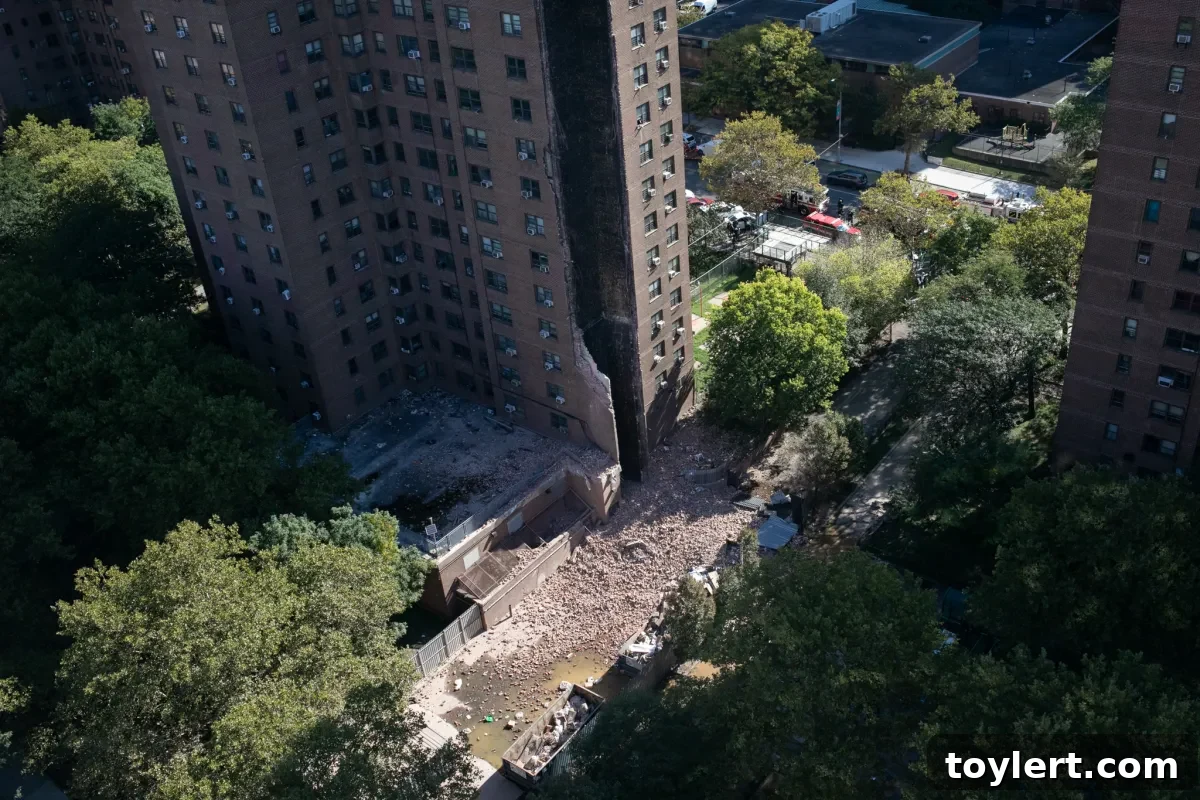
The tragic boiler explosion at Mitchel Houses, which tragically claimed a life and injured several others, serves as a grim reminder of these inherent dangers. While the exact chain of events leading to that specific incident is complex, it undeniably highlights the critical importance of regular inspections and valid permits. Such incidents are not isolated; they underscore the long-term risks associated with operating aging equipment without the necessary oversight. Residents live with the constant anxiety that the very systems designed to provide comfort could, in fact, pose a direct threat to their lives and property.
The Human Cost: Life in the Cold
For NYCHA residents, the issues surrounding boiler compliance manifest most acutely in their daily lives. A malfunctioning or uninspected boiler can lead to prolonged periods without heat or hot water, especially during harsh New York winters. Imagine trying to raise a family, prepare meals, or simply stay warm in an apartment where the heating system is unreliable, or worse, completely out of commission for days or even weeks. This is a common reality for many in NYCHA developments.
Children struggle to concentrate on schoolwork in frigid rooms, the elderly face heightened health risks from cold exposure, and families are forced to resort to dangerous alternatives like space heaters, further increasing fire hazards. The lack of reliable hot water impacts basic hygiene, affecting personal well-being and dignity. This constant uncertainty and discomfort contribute to significant stress, diminishing the quality of life for an already vulnerable population. It’s a fundamental breach of the promise of safe, adequate housing.
Addressing the Crisis: Progress and Persistent Challenges
In the wake of heightened scrutiny and federal oversight, NYCHA has made some efforts to address its systemic infrastructure failures. Initiatives have been launched to repair and replace aging boilers, invest in modern heating technology, and improve maintenance protocols. However, the scale of the problem is immense, requiring billions of dollars in investment—a sum that often outstrips available funding.
The journey from a state of widespread non-compliance a decade ago to a fully compliant and reliable system is long and arduous. NYCHA faces numerous hurdles: an aging housing stock, a complex bureaucratic structure, a shortage of skilled labor, and the perpetual challenge of securing adequate capital. While the presence of a federal monitor has pushed for greater accountability and transparency, the transformation of such a vast and dilapidated system is a multi-year, multi-faceted endeavor.
One key aspect of remediation involves a proactive approach to inspections and permit renewals. NYCHA has been urged to implement robust tracking systems for all its boiler units, ensuring that maintenance schedules are adhered to, necessary repairs are made promptly, and all regulatory requirements are met well in advance of deadlines. This cultural shift from reactive crisis management to proactive asset management is crucial for sustainable improvement.
The Path Forward: Ensuring Resident Safety and Environmental Stewardship
Moving forward, sustained attention and investment are critical. The focus must remain on not just replacing old equipment but also on implementing a comprehensive, long-term asset management strategy for all heating systems. This includes:
- Increased Funding: Securing substantial and consistent funding from federal, state, and city sources to tackle the multi-billion dollar repair backlog.
- Modernization: Phasing out outdated, inefficient, and environmentally harmful boiler systems in favor of modern, energy-efficient, and cleaner technologies.
- Proactive Maintenance: Establishing rigorous, preventive maintenance schedules and investing in a skilled workforce to execute these plans.
- Regulatory Compliance: Ensuring 100% compliance with all DEP regulations, including timely inspections and valid certificates of operation, making resident safety and environmental protection non-negotiable priorities.
- Transparency and Accountability: Providing clear communication to residents about boiler statuses, maintenance plans, and any service interruptions, while holding all levels of management accountable for system performance.
The ongoing boiler crisis in NYCHA developments is a stark reminder of the consequences of neglect in public infrastructure. The historical pattern of non-compliance, highlighted nearly a decade ago, created a fragile foundation that continues to affect hundreds of thousands of New Yorkers. Incidents like the Mitchel Houses explosion are not just accidents; they are often the tragic culmination of years of systemic issues. By prioritizing investment, modernizing infrastructure, and enforcing stringent regulatory compliance, New York City can work towards a future where every NYCHA resident has access to safe, reliable, and environmentally sound heating and hot water, restoring dignity and ensuring fundamental human rights.