Brooklyn’s Architectural Marvel: The Innovative Rescue Company 2 Firehouse Takes Shape in Ocean Hill
In the vibrant and evolving neighborhood of Ocean Hill, Brooklyn, a significant architectural and civic project is steadily advancing: the new firehouse for Brooklyn Rescue Company 2. Located at 1815 Sterling Place, this facility is not merely a replacement structure but a visionary piece of public architecture, designed to serve a critical community function while pushing the boundaries of sustainable and thoughtful urban design.
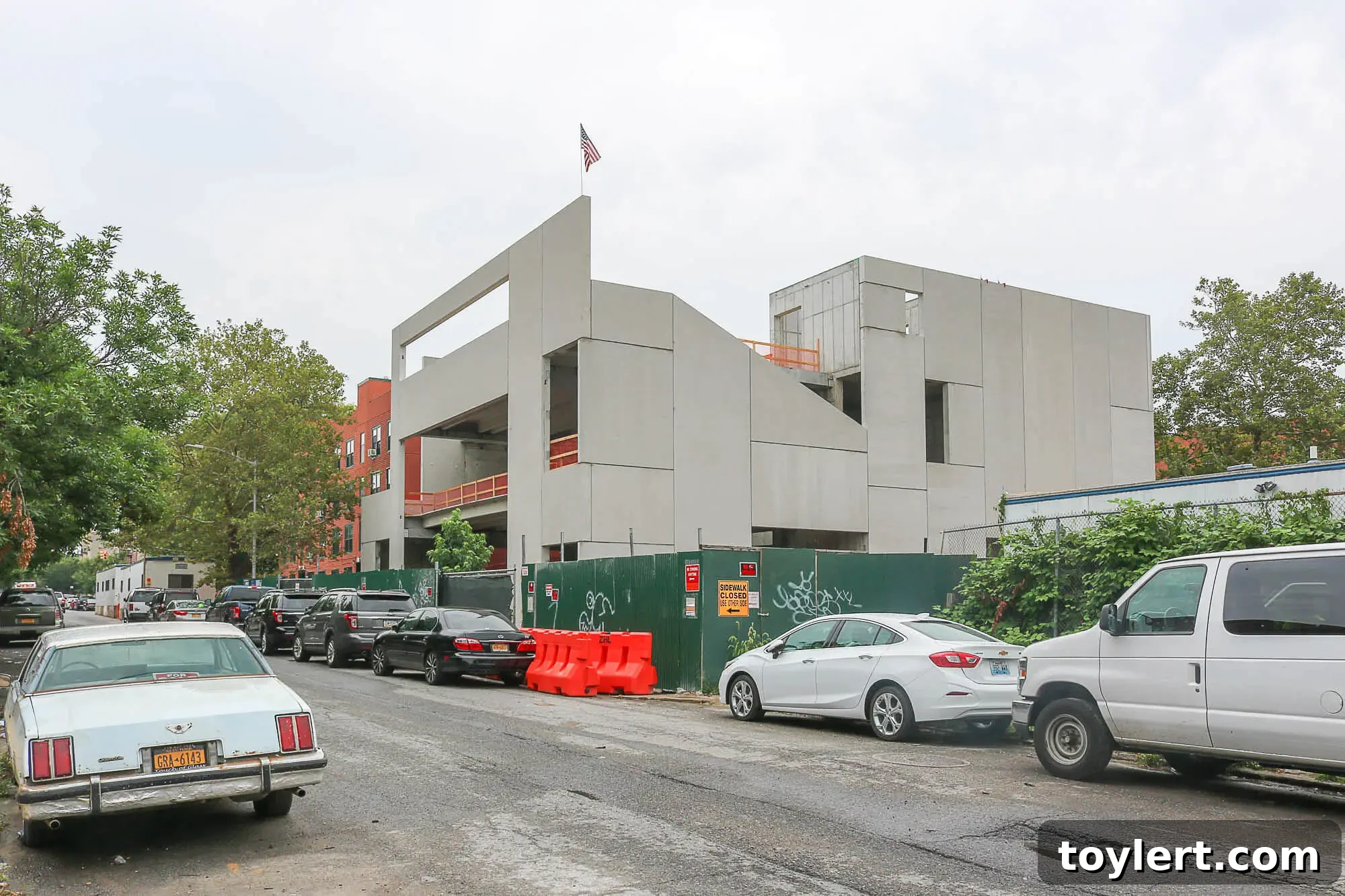
This inventive concrete firehouse, a striking three-story, 18,152-square-foot structure, has been a focal point of development in the area. Its distinct design, often attributed to the globally renowned Studio Gang, reflects a commitment to both aesthetic excellence and practical functionality. The building officially topped out in the summer of 2017, a crucial milestone marking the completion of its structural framework, and has since been undergoing the meticulous process of exterior and interior finishing, transforming a skeletal frame into a vibrant, living building.
A Beacon of Modern Design: Features and Philosophy
The design of the Rescue Company 2 Firehouse is a masterclass in combining innovative architectural elements with the specific operational needs of an elite emergency response unit. Two standout features immediately capture attention: the expansive green space planned for the roof and a dramatic open area in the building’s center. This central void, stretching impressively from the ground floor to the ceiling, is more than just an aesthetic flourish; it’s a fundamental component of the building’s environmental strategy. It promises to flood the interior with natural light, reduce the need for artificial illumination, and facilitate natural ventilation, creating a healthier and more energy-efficient environment for the firefighters who call it home.
The green roof, meanwhile, exemplifies a commitment to urban sustainability. Beyond its visual appeal, it will serve multiple ecological functions. It will mitigate the urban heat island effect, help manage stormwater runoff, improve air quality, and potentially foster local biodiversity. These sustainable features are not just add-ons but are integral to the firehouse’s identity, positioning it as a model for future public infrastructure projects in densely populated urban settings.
Engineering for Excellence: Construction and Materials
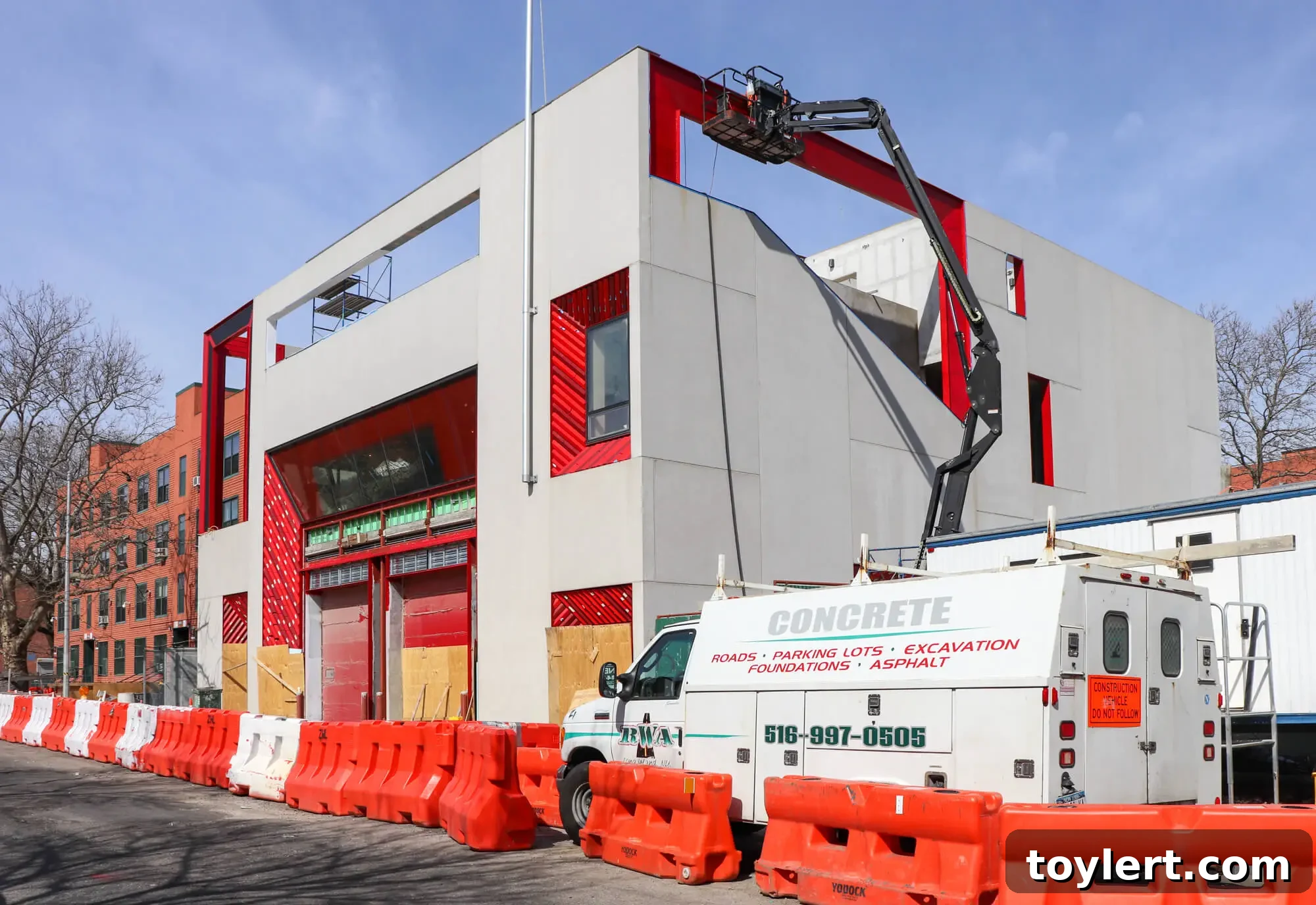
With construction underway for over two years, the firehouse project has moved from conceptual drawings to tangible progress. Recent observations reveal exciting developments on the exterior facade. The distinctive red glazed terra-cotta panels are now prominently visible, wrapping around some of the window and door frames and defining the striking open areas cut out of the building’s facade. These panels, crafted in three subtly different shades of red, add a dynamic texture and a sophisticated visual depth to the concrete structure, evoking a sense of historical warmth while maintaining a distinctly modern edge. The choice of terra-cotta is particularly fitting, known for its durability, resistance to the elements, and its ability to lend a unique character to a building.
The installation of these vibrant panels marks a significant step towards the building’s completion, showcasing the meticulous craftsmanship involved in its construction. Furthermore, the front firehouse doors have also been installed, a clear sign that the building is nearing its operational readiness. These large, robust doors are not merely entry points but critical components for rapid emergency response, engineered for speed, reliability, and the heavy demands of daily firehouse operations. The progress visible on the facade and entry points underscores the dedication of the construction teams and architects to bringing this ambitious vision to life.
The Vital Role of Rescue Company 2
Understanding the design of this firehouse requires an appreciation for the specific mission of Rescue Company 2. Unlike standard engine or ladder companies, rescue companies are highly specialized units within the Fire Department of New York (FDNY). They respond to the most complex and dangerous emergencies, including structural collapses, hazardous material incidents, high-angle rescues, confined space operations, and intricate extrications. Their firefighters undergo intensive training and utilize a vast array of specialized tools and equipment, making their station a critical hub for readiness and constant preparedness.
The innovative design of the new firehouse directly supports these demanding operations. The thoughtful layout, robust construction, and advanced facilities are tailored to enhance training capabilities, streamline equipment storage and deployment, and provide a conducive environment for firefighters to rest and prepare. A well-designed firehouse is paramount for the physical and mental well-being of first responders, offering a sanctuary that facilitates their readiness to protect the lives and property of Brooklyn residents.
Community Integration and Urban Impact
Beyond its functional and aesthetic attributes, the Brooklyn Rescue Company 2 Firehouse represents a significant investment in the Ocean Hill community. Public buildings, especially those serving essential services like fire protection, play a crucial role in the civic fabric of a neighborhood. This new firehouse will not only enhance emergency response capabilities but also serve as a symbol of safety, resilience, and community pride. Its prominent location and innovative design make it a landmark, contributing positively to the urban landscape of Sterling Place.
The transparent elements and open design philosophy, particularly the central void and the careful placement of windows, suggest a building that is engaged with its surroundings rather than isolated from them. While its primary function is operational, the architectural transparency and inviting materials could foster a sense of connection between the community and the heroic work performed within its walls. It demonstrates how modern public architecture can be both highly functional and deeply embedded in its urban context, reflecting the values and aspirations of the community it serves.
A Vision for the Future of Public Infrastructure
As the finishing touches are applied to the Brooklyn Rescue Company 2 Firehouse, its emergence highlights a progressive approach to public infrastructure. It embodies a future where essential services are housed in buildings that are not only robust and efficient but also environmentally conscious, architecturally significant, and thoughtfully integrated into their urban environments. This project sets a new benchmark for fire station design, emphasizing sustainability, firefighter well-being, and a forward-thinking aesthetic.
The combination of inventive concrete construction, the unique central atrium, the green roof, and the striking red terra-cotta facade creates a building that is both highly practical and visually inspiring. It stands as a testament to the power of design to elevate the everyday and to serve the public good with distinction. The Ocean Hill community, and indeed the entirety of Brooklyn, can look forward to the completion of this remarkable facility, a symbol of innovation, dedication, and unwavering commitment to public safety.