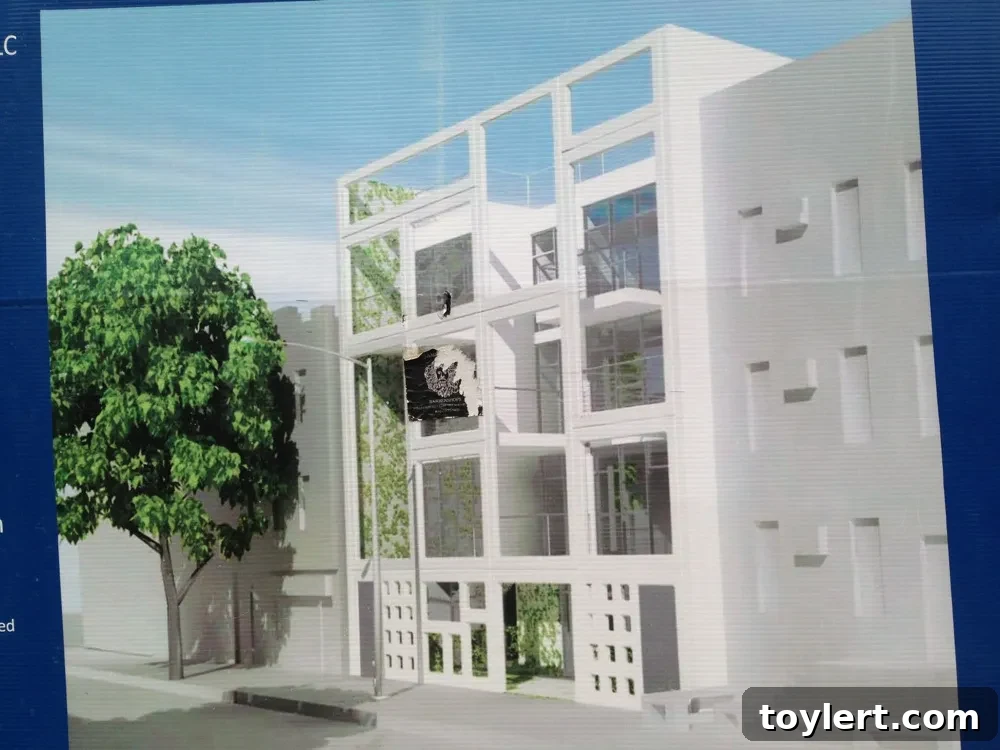
ODA Architecture Unveils Striking Design for 630 Lorimer Street, East Williamsburg
East Williamsburg, a vibrant Brooklyn neighborhood distinguished by its rich industrial heritage and blossoming creative scene, is currently undergoing a significant architectural evolution. Among the most recent and captivating additions to this urban transformation is a distinctive new residential building slated for 630 Lorimer Street. This project has rapidly garnered attention, not only for its pronounced contemporary aesthetic but also for its association with ODA Architecture, an internationally acclaimed firm celebrated for its innovative and often boundary-pushing approach to urban design. Positioned within a locale that is increasingly attracting groundbreaking developments, including the notable HWKN-designed Yotel just a short distance away, this “small but impactful” structure is poised to introduce a fresh and sophisticated perspective to the neighborhood’s dynamic built environment. The recently revealed rendering, serendipitously discovered attached to the construction fence, provides a compelling preview of a design that is both unexpectedly unique and profoundly thoughtful, signaling a new era for residential architecture in East Williamsburg.
East Williamsburg: A Dynamic Neighborhood’s Architectural Renaissance
Once primarily an industrial stronghold, East Williamsburg has steadily transformed into one of Brooklyn’s most sought-after and culturally rich neighborhoods. Its compelling blend of historic charm, artistic grit, and convenient transit access to Manhattan has fueled an unprecedented surge in both residential and commercial development. This profound metamorphosis has ignited a demand for architecture that not only respects the area’s storied past but also boldly embraces its future potential. Projects like the one at 630 Lorimer Street are absolutely pivotal in this ongoing narrative, as they contribute meaningfully to a more diverse, aesthetically pleasing, and architecturally rich urban environment. The engagement of high-profile architectural firms such as HWKN and ODA Architecture emphatically underscores the burgeoning recognition of East Williamsburg as a premier canvas for innovative urban design experimentation.
These new buildings transcend mere functionality; they are deliberate statements about modern urban living, sustainability, and ambitious aesthetics, each playing a crucial role in redefining the very character of this energetic Brooklyn enclave. The journey of East Williamsburg, from a gritty manufacturing district to a vibrant residential hotspot, has been marked by a gradual yet profound demographic shift, drawing in a diverse populace ranging from artists and young professionals to growing families. This evolving demographic has consequently spurred a heightened demand for housing solutions that are not only eminently functional but also visually captivating and experientially rich. Developers are increasingly commissioning architects capable of delivering distinct, high-quality, and contextually sensitive designs. The emergence of “interesting buildings,” in contrast to generic residential blocks, reflects a maturing real estate market that places significant value on architectural integrity, innovation, and a genuine sense of place. The 630 Lorimer Street project, with its meticulously considered design elements, perfectly exemplifies this trend, aiming to create a living space that is simultaneously visually striking and thoughtfully integrated into its unique urban surroundings. It represents an ongoing commitment to significantly elevate the standard of residential development in the area, moving well beyond mere utility to embrace genuine architectural artistry and a forward-thinking vision.
The Architectural Journey: ODA Architecture Takes the Helm at 630 Lorimer
The development at 630 Lorimer Street has experienced a significant and intriguing shift in its creative direction. Initially, the project had Gerald Caliendo designated as the architect of record. Caliendo, a prolific Brooklyn-based architect, is widely recognized for his extensive portfolio of residential buildings across the borough, often characterized by their practical, efficient, and contextually appropriate designs. However, at a pivotal point in the project’s evolution, ODA Architecture stepped in, assuming the critical role of the architect of record. This transition itself signals a potential and exciting shift in the project’s overall aesthetic and programmatic ambition. An architect of record is the legally recognized individual or firm directly responsible for the building’s design and comprehensive documentation, ensuring meticulous compliance with all local codes, zoning regulations, and construction standards. A change in this paramount role very often implies a desire for a fresh vision, a re-evaluation of design goals, or an ambition to elevate the architectural outcome to new, perhaps more innovative, heights, leveraging the incoming firm’s distinctive style and specialized expertise.
ODA Architecture’s involvement in this project is particularly noteworthy and generates considerable anticipation. The firm, established by the visionary architect Eran Chen, has rapidly garnered international acclaim for its bold, often sculptural, and profoundly innovative approach to urban residential architecture. Their signature style frequently incorporates distinctive elements such as dramatically carved-out facades, thoughtfully interconnected volumetric spaces, the provision of abundant outdoor communal areas, and a powerful emphasis on maximizing natural light and integrating biophilic design principles. The appearance of ODA Architecture’s name attached to 630 Lorimer Street immediately sparks a keen curiosity about how their highly distinctive architectural philosophy would manifest within a project of this specific scale and urban context. The recently discovered rendering, serving as the first public indication of ODA’s proposed design, invites onlookers and urban enthusiasts alike to ponder the firm’s specific interpretation and unique vision for this prominent East Williamsburg site. This significant change in architectural leadership strongly suggests an ambition to create something truly exceptional, moving well beyond conventional designs to craft a building that is destined to become a recognizable landmark in its own right, further enriching the architectural tapestry of the neighborhood.
A Deeper Look at the Design: ODA’s Distinctive Vision for 630 Lorimer
The recently unveiled rendering for 630 Lorimer Street reveals an architectural expression that, while undeniably possessing a sharp contemporary edge, does not immediately align with every typical hallmark of ODA Architecture’s widely recognized and often dramatic portfolio. Nevertheless, it very distinctly deviates from the conventional “small ‘Burg building” aesthetic frequently observed in Brooklyn, unequivocally suggesting a thoughtful, nuanced, and truly bespoke approach. The design masterfully exhibits a compelling blend of innovative features that collectively contribute to its truly unique character, resulting in a building that is both intrinsically intriguing and elegantly composed. This subtle departure from the predictable underscores ODA’s remarkable adaptability and their profound capacity to meticulously tailor their innovative vision to specific site requirements and contextual nuances, rather than imposing a monolithic or predetermined style. It speaks to a responsive design philosophy that prioritizes context and programmatic needs.
Feature Spotlight: Expansive, Multi-Paned Windows
One of the most striking and immediately noticeable elements of the facade is the deliberate inclusion of large, multi-paned windows. These expansive fenestrations are far more than mere functional openings; they are fundamentally crucial to both the building’s aesthetic identity and its environmental performance. Their generous dimensions are specifically engineered to maximize the ingress of natural light, ensuring that interior spaces are bathed in an abundance of daylight. This generous natural illumination is paramount for significantly enhancing residents’ well-being, fostering a brighter living environment, and substantially reducing the reliance on artificial lighting during daylight hours. The multi-paned configuration, a clear and respectful nod to the iconic industrial loft windows often found in meticulously renovated factory buildings throughout Brooklyn, expertly injects a sense of historic charm and artisanal craftsmanship while simultaneously maintaining a sophisticated modern sensibility. This thoughtful design choice also potentially offers enhanced thermal performance through the use of advanced insulated glass units, contributing significantly to the building’s overall energy efficiency and sustainability. Visually, these large windows skillfully break up the facade, introducing a dynamic rhythm and a sense of inviting depth, thereby creating an engaging dialogue between the building’s private interiors and the vibrant, bustling street life of East Williamsburg.
The Enigmatic and Sustainable Green Wall
Perhaps the most unexpected, yet profoundly environmentally conscious, feature of the 630 Lorimer Street design is the seamlessly integrated green wall. Strategically positioned on the building’s exterior, this vertical garden is a powerful and visible statement about sustainable urban living and the growing importance of biophilic design – a concept centered on fostering a deep connection between building occupants and the natural world. Beyond its undeniable and captivating aesthetic appeal, a green wall offers a myriad of ecological and practical benefits. It significantly contributes to improved urban air quality by actively filtering pollutants, effectively helps to regulate indoor temperatures through the natural processes of evaporative cooling and insulation, and provides a much-needed habitat for local biodiversity within an otherwise dense urban setting. Furthermore, the constant presence of lush, vibrant greenery can profoundly enhance the psychological well-being of residents, fostering a tangible sense of calm, tranquility, and a deeper connection to the natural environment. This living green element dramatically transforms what would typically be a static facade into a dynamic, breathing, and visually captivating entity, making 630 Lorimer Street a greener, healthier, and undeniably more visually engaging addition to the East Williamsburg neighborhood.
Hidden Balconies Behind a Refined Masonry Screen
Another captivating and ingeniously executed aspect of the design is the clever integration of balconies, which are not overtly expressed or prominently displayed but are instead subtly concealed and artfully recessed behind a distinctive and robust masonry screen that covers a significant portion of the building’s front facade. This innovative design choice creates a sophisticated layer of privacy and intimacy for residents, effectively shielding them from the direct gaze of the street while still allowing them to fully enjoy their own private outdoor space. The masonry screen itself, potentially composed of concrete or a similar durable and aesthetically versatile material, adds a rich textural quality and imparts a robust, distinctly modern character to the facade. It functions as a dynamic veil, meticulously filtering direct sunlight, creating intriguing and ever-changing patterns of light and shadow throughout the day, and actively contributing to the building’s overall thermal performance by providing effective shading for interior spaces. This architectural device also lends an unmistakable air of intrigue and subtle mystery to the building, deliberately departing from the more typical exposed balconies and instead offering a more secluded, thoughtful, and serene outdoor experience. The precise material choice for this screen – whether a nuanced concrete, a classic brick, or another type of sophisticated masonry – will be absolutely critical in defining the final tactile and visual quality of this truly unique facade element and its lasting impression on the streetscape.
ODA Architecture: A Legacy of Innovation in Urban Design
ODA Architecture’s involvement at 630 Lorimer Street, even with a design that might not immediately resonate as “classic ODA” to every observer, remains profoundly consistent with their broader philosophy of thoughtful, innovative, and impactful urban interventions. The firm consistently seeks to challenge conventional approaches to residential development, frequently reinterpreting traditional typologies to craft more humane, light-filled, and community-oriented living spaces. While many of their flagship projects are indeed characterized by dramatic volumetric shifts, expansive setbacks, and extensive communal outdoor areas, the core principles of maximizing natural light, fostering privacy, and seamlessly integrating sustainable elements are recurrent and foundational themes across their entire portfolio. At 630 Lorimer Street, the large, multi-paned windows, the verdant green wall, and the cleverly screened balconies all powerfully speak to these enduring core values, albeit in a more restrained and contextually nuanced manner perfectly suited for a “small” eight-unit residential building within an established Brooklyn streetscape.
Their impressive portfolio encompasses a wide array of groundbreaking projects across New York City and extending far beyond, unequivocally demonstrating a versatile and adaptive approach that skillfully balances ambitious artistic vision with crucial practical functionality. From masterfully transforming old industrial warehouses into sophisticated modern residences to meticulously designing ground-up mixed-use complexes, ODA consistently demonstrates an unparalleled ability to inject vibrancy, architectural distinction, and innovative design into diverse urban environments. The project at 630 Lorimer Street, therefore, can be rightfully seen as another compelling example of ODA’s unwavering commitment to refining and significantly elevating the quality of urban residential offerings, proving conclusively that innovative and highly sophisticated design is not exclusively reserved for large-scale, monumental developments but can be artfully and impactfully applied to more intimate, yet equally significant, structures. This particular project, though perhaps more understated when compared to some of their more monumental and visually audacious works, nonetheless carries the unmistakable DNA of the firm’s dedication to thoughtful spatial planning, meticulous material exploration, and a deep understanding of how architecture can enhance everyday life.
Impact and Future Outlook for East Williamsburg’s Architectural Identity
The introduction of architecturally significant and forward-thinking projects like 630 Lorimer Street is absolutely instrumental in shaping the evolving identity and future trajectory of East Williamsburg. As the neighborhood continues its dynamic trajectory of growth, revitalization, and thoughtful gentrification, the inherent quality and distinctive character of new developments become increasingly paramount. Buildings that prioritize thoughtful, human-centric design, embrace robust sustainability, and boast compelling aesthetic appeal contribute profoundly and positively to the overall urban experience, significantly enhancing the quality of life for its residents and adding immensely to the desirability and prestige of the area. This particular project, with its masterful blend of modern features and subtle, respectful contextual nods, sets an important precedent for future developments, actively encouraging and inspiring a higher standard of architectural innovation and design excellence throughout the community.
Moreover, the distinct design choices implemented at 630 Lorimer Street, particularly the integration of the pioneering green wall and the unique, sophisticated facade treatment, powerfully reflect a broader global trend towards creating more sustainable, resilient, and biophilic urban environments. As cities worldwide grapple with the pressing challenges of climate change, increasing population density, and the urgent need for greater environmental resilience, architectural solutions that seamlessly integrate nature and meticulously optimize energy performance will become increasingly vital and sought-after. East Williamsburg, with exemplary projects like this leading the way, effectively positions itself as a forward-thinking and environmentally conscious community actively embracing these crucial principles. The compelling dialogue between the building’s distinctive facade and the vibrant surrounding streetscape will undoubtedly spark engaging conversations about modern urban aesthetics, the crucial role of innovative architecture in fostering a more livable and visually engaging city, and the enduring value of sustainable design. Ultimately, 630 Lorimer Street is poised to become far more than just a new building; it is a profound testament to East Williamsburg’s ongoing architectural renaissance, a beacon of sophisticated urban living, and a potential blueprint for future developments within one of Brooklyn’s most exciting and rapidly evolving neighborhoods.