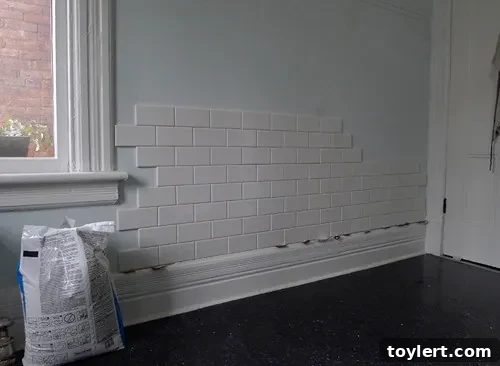
Welcome to our weekly dive into the fascinating world of old house decorating and renovation! This week, we’re exploring insights, tips, and inspirations for transforming historic properties into stunning, functional, and charming homes that honor their past while embracing modern living.
Timeless Transformations: Expert Tips for Decorating and Renovating Old Houses
Old houses possess an undeniable allure—a sense of history, character, and craftsmanship that modern constructions often struggle to replicate. From the intricate moldings and high ceilings to the sturdy bones built to last generations, these homes offer a unique canvas for those passionate about design and preservation. However, renovating and decorating an old house comes with its own set of challenges and rewards. This comprehensive guide will walk you through the essential considerations, from initial planning to final decorative touches, ensuring your historic home renovation is a journey of discovery and success.
The Irresistible Appeal of Old Homes: Why Renovate?
Choosing to renovate an old house is more than just a home improvement project; it’s an act of preserving history, celebrating unique architectural styles, and often, a commitment to sustainability. Here are some compelling reasons why renovating old houses continues to captivate homeowners:
- Unique Character and History: Each old house tells a story, embedded in its architecture, materials, and original features. Renovating allows you to uncover and enhance these narratives, creating a home with unparalleled personality.
- Superior Craftsmanship: Many older homes were built with high-quality, durable materials and artisanal techniques that are rare in contemporary construction. Restoring these elements often means investing in lasting quality.
- Architectural Integrity: From Victorian grandeur to mid-century modern charm, old houses embody distinct architectural periods. A thoughtful renovation respects and highlights these inherent styles.
- Sustainability: Reusing an existing structure reduces waste and the demand for new building materials, making it an environmentally friendly choice.
- Established Neighborhoods: Old houses are typically found in mature, often vibrant neighborhoods with established infrastructure, green spaces, and a strong sense of community.
Navigating Your Old House Renovation Project: Planning and Preparation
A successful old house renovation begins with meticulous planning. Unlike modern builds, historic homes often hold surprises behind their walls, making thorough preparation crucial.
1. Initial Assessment and Vision
Before any demolition begins, conduct a comprehensive assessment of the property. What are its strengths? What are the structural weaknesses? Define your vision for the space. Do you want a historically accurate restoration, a blend of old and new, or a complete modern overhaul while retaining key features? Research the house’s original architectural style and period to inform your decisions.
2. Setting a Realistic Budget
Old house renovations can be more complex and costly than new construction. Budget for common issues like outdated plumbing, electrical systems, foundation repairs, and lead paint or asbestos abatement. It’s wise to allocate an additional 15-20% for unexpected expenses.
3. Assembling Your Dream Team
Engaging the right professionals is paramount. Look for architects, contractors, and designers with specific experience in historic properties. They understand the nuances of working with older structures, navigating local preservation guidelines, and sourcing appropriate materials. A skilled team can identify potential problems early and offer creative solutions that respect the home’s heritage.
4. Understanding Local Regulations and Permits
Many historic homes are located in designated preservation districts, which come with specific rules regarding exterior changes, materials, and sometimes even interior alterations. Familiarize yourself with local zoning laws, building codes, and historical commission requirements early in the process to avoid costly delays.
Key Renovation Areas and Considerations
When tackling an old house, certain areas often require the most attention. Addressing these systematically will ensure the longevity and safety of your home.
Structural Integrity: The Foundation of Your Home
Start with the basics: foundation, roof, and walls. Inspect for cracks, water damage, sagging floors, or signs of pest infestation. Addressing these fundamental issues first will provide a stable base for all subsequent work.
Systems Upgrades: Modernizing for Comfort and Safety
- Electrical: Older homes often have knob-and-tube or outdated wiring. Upgrading to modern electrical systems is essential for safety, supporting contemporary appliances, and meeting current codes.
- Plumbing: Lead pipes or galvanized steel plumbing need replacement. Modern plumbing ensures efficient water flow, prevents leaks, and improves water quality.
- HVAC: Installing or upgrading heating, ventilation, and air conditioning systems will dramatically improve comfort and energy efficiency. Consider zoning to optimize climate control in different areas.
Windows and Doors: Preserving Character, Enhancing Efficiency
Original windows and doors are often key architectural features. Where possible, repair and restore them. If replacement is necessary, choose historically appropriate designs and materials that offer modern energy efficiency. Double-pane glass or weatherstripping can significantly reduce energy loss.
Flooring: Restoring and Reviving
Hardwood floors are a common treasure in old homes. Sanding and refinishing can bring them back to life. If floors are beyond repair, consider reclaimed wood or historically accurate reproductions. Tile work, especially in entryways or kitchens, might also be original and worth preserving or replicating.
Kitchen and Bathroom Updates: Blending Old with New
These rooms demand modern functionality but can still embrace the home’s historic charm. Opt for classic fixtures, period-appropriate cabinetry, and materials like subway tile or marble that complement the age of the house. Integrate modern appliances seamlessly to maintain aesthetic harmony.
Decorating Old Houses: Blending Past and Present
Once the structural work is complete, the fun of decorating begins. The goal is to create interiors that feel authentic to the home’s history while reflecting your personal style and modern needs.
Embracing Original Features
Highlight the home’s unique architectural elements such as fireplaces, crown molding, built-in shelving, and original hardware. These features are character builders and should be celebrated, not hidden. Use paint colors that draw attention to intricate details.
Color Palettes and Textures
Research color schemes popular during your home’s original era, but don’t feel restricted by them. Muted historical palettes can provide a sophisticated backdrop, allowing brighter accents to shine. Introduce rich textures through textiles like velvet, linen, wool, and natural wood to add depth and warmth.
Furniture Selection: A Harmonious Mix
Achieve a balanced look by combining antique or vintage pieces with modern furnishings. A classic Chesterfield sofa can sit comfortably alongside a contemporary coffee table. This eclectic approach creates visual interest and makes the space feel collected over time. Look for furniture that echoes the proportions and scale of your rooms.
Lighting: Enhancing Ambiance and Function
Old houses often lack sufficient built-in lighting. Layer your lighting with overhead fixtures (chandeliers, flush mounts), task lighting (floor lamps, table lamps), and accent lighting (picture lights, sconces) to create warmth and illuminate architectural details. Choose fixtures that complement the period of your home or offer a tasteful modern contrast.
Artwork and Accessories: Personalizing Your Space
Adorn your walls with a mix of art that speaks to you, whether it’s period landscapes, abstract modern pieces, or family photographs. Accessories like antique mirrors, vintage pottery, books, and plants add personality and make a house feel like a home. Don’t be afraid to mix styles and eras for a truly unique interior.
Sustainability and Energy Efficiency in Old Homes
Renovating an old house offers a prime opportunity to improve its environmental footprint. Integrating sustainable practices and energy-efficient solutions can significantly reduce utility costs and contribute to a healthier planet.
- Insulation and Air Sealing: Improving insulation in walls, attics, and basements, along with sealing air leaks around windows and doors, is one of the most effective ways to boost energy efficiency.
- High-Efficiency Appliances: When replacing systems or appliances, opt for ENERGY STAR® certified models.
- Eco-Friendly Materials: Choose sustainable and non-toxic materials for paints, flooring, and finishes, such as low-VOC paints, reclaimed wood, or natural stone.
- Smart Home Technology: Integrate smart thermostats and lighting controls to manage energy consumption effectively.
Common Challenges and How to Overcome Them
While rewarding, old house renovations can present unique hurdles:
- Hidden Issues: Expect the unexpected. Be prepared for uncovering outdated wiring, plumbing, or structural problems that weren’t apparent during the initial inspection. A flexible budget and timeline are key.
- Maintaining Historical Accuracy vs. Modern Needs: Striking a balance between preserving historical elements and integrating modern conveniences can be tricky. Prioritize features that define the home’s character and find creative ways to blend new elements seamlessly.
- Sourcing Materials: Finding historically appropriate or matching materials can be challenging. Explore salvage yards, architectural antique shops, and specialty suppliers.
- Navigating Regulations: Working with historical commissions or city planning departments requires patience and adherence to specific guidelines. Building a good relationship with these bodies can smooth the process.
Conclusion: A Labor of Love
Renovating and decorating an old house is truly a labor of love—a journey that requires patience, passion, and a deep appreciation for the past. It’s an opportunity to create a home that is rich in history, brimming with character, and perfectly tailored to your lifestyle. By approaching your project with careful planning, an expert team, and a respect for the property’s unique heritage, you can transform an old house into a magnificent home that will be cherished for generations to come. Embrace the quirks, celebrate the history, and enjoy the profound satisfaction of bringing a piece of the past beautifully into the future.
Further Reading and Inspiration
- Planning Your Historic Home Renovation
- Decorating with Vintage Finds: A Style Guide
- Sustainable Practices for Old House Owners
- View All Related Content on One Page