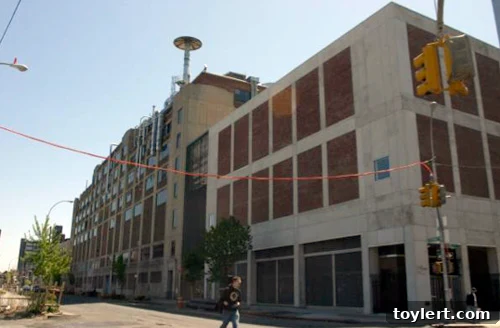
Williamsburg’s Former Pfizer Plant Transforms into a Dynamic Culinary Production Hub
A significant development is reshaping the industrial landscape of Williamsburg, Brooklyn, as the colossal former Pfizer pharmaceutical plant is undergoing a remarkable transformation. Once a cornerstone of drug manufacturing, this sprawling complex is now poised to become a thriving culinary production facility, an innovative hub designed to foster the growth of New York City’s vibrant food and beverage industry. This revitalization effort signals a new era for the historic site, breathing new life into a landmark while simultaneously bolstering the local economy and empowering food entrepreneurs.
The vision for this ambitious project began to take shape when Acumen Capital Partners acquired the massive facility. Their strategic plan involves a comprehensive five-year conversion process, meticulously transforming the plant into a versatile space suitable for light-industrial and commercial use, with a particular focus on food production. This move is a testament to the surging demand for specialized infrastructure that can support the burgeoning artisanal food scene in Brooklyn and beyond. Crucially, the facility’s existing FDA approval for food production offers an unparalleled advantage, providing a ready-made, compliant environment for businesses ranging from emerging startups to established brands looking to scale their operations.
A Strategic Move for Acumen Capital Partners: Revitalizing an Industrial Icon
The acquisition and subsequent redevelopment of the former Pfizer plant by Acumen Capital Partners represent a bold and forward-thinking investment in Brooklyn’s future. Recognizing the immense potential of the 660,000-square-foot complex, which has been a prominent fixture in Williamsburg for decades, Acumen Capital Partners embarked on a multi-million dollar venture. Their goal is to convert the facility into a modern, multi-tenant industrial space, thereby preserving its industrial heritage while adapting it for the demands of the 21st-century economy.
The long-term strategy focuses on creating an ecosystem where various businesses, particularly those in the food and beverage sector, can thrive. The decision to prioritize culinary production stems from Brooklyn’s established reputation as a hotbed for food innovation, local craftsmanship, and a discerning consumer base that values quality and authenticity. The five-year conversion plan is not merely about cosmetic renovation; it’s about a complete reimagining of the entire industrial footprint. This involves extensive upgrades to critical infrastructure, including state-of-the-art plumbing, robust electrical systems, and advanced ventilation, all meticulously tailored to meet the stringent health and safety requirements of modern food manufacturing.
Beyond the physical space, Acumen Capital Partners is actively curating a community of tenants, fostering an environment of collaboration, shared resources, and mutual support. This strategic redevelopment promises to be a powerful catalyst for economic growth in the Williamsburg area, creating numerous direct and indirect job opportunities. It is also expected to attract further investment into the borough, solidifying its position as a hub for light industry and specialized commercial enterprises.
Brooklyn’s New Culinary Epicenter: Welcoming Innovative Food Brands
The excitement surrounding the Pfizer plant’s transformation into a dedicated culinary center is palpable throughout Brooklyn’s vibrant food community, especially with the announcement of its first wave of tenants. These pioneering businesses represent the innovative spirit of Brooklyn’s food scene and are set to benefit immensely from the facility’s unique offerings and strategic location. Among the initial signatories who have already secured space are:
- Kombucha Brooklyn: A recognized leader in the burgeoning fermented tea market, Kombucha Brooklyn will leverage the plant’s expansive and FDA-compliant space to significantly scale its production capabilities. This strategic move allows them to meet the rapidly growing consumer demand for their healthful beverages while maintaining their unwavering commitment to quality, craft, and distinctive flavor profiles.
- Brooklyn Soda Works: Known for their creative, seasonal, and often experimental soda flavors, Brooklyn Soda Works will find the newly repurposed facility an ideal environment for expanding their unique brewing operations. The shared infrastructure and collaborative atmosphere within the hub will undoubtedly foster further innovation in their product line, enabling them to introduce even more exciting beverages to the market.
- Steve’s Ice Cream: A beloved name in artisanal ice cream, Steve’s Ice Cream will utilize the advanced facilities at the former Pfizer plant to enhance its production efficiency and optimize its distribution network. The specialized cold storage solutions and high-standard food-grade facilities are perfectly suited to their needs, enabling them to bring their unique and beloved flavors to a wider audience across the city and beyond.
These companies are just the beginning of what is envisioned to be a dynamic and diverse ecosystem. The facility is meticulously designed to accommodate a broad array of food producers, from traditional bakeries and innovative confectioners to specialty beverage companies, co-packers, and catering operations. The promise of shared amenities and the inherent benefits of being co-located with other food businesses — such as opportunities for bulk purchasing, streamlined logistics, shared expertise, and peer-to-peer knowledge exchange — create a powerful synergy that is rare and highly sought after in urban industrial settings.
The Undeniable Advantage of FDA-Approved Facilities for Food Production
One of the most compelling and strategically vital aspects of the former Pfizer plant’s new identity as a culinary production center is its inherent FDA approval for food manufacturing. For any food or beverage business, especially those operating within the United States, navigating the complex and often labyrinthine regulatory landscape overseen by the Food and Drug Administration (FDA) is a significant challenge and represents a substantial upfront investment in terms of time, capital, and expertise. The pre-existing FDA approval of this facility dramatically reduces the barriers to entry and expansion for its tenants, offering a fast track to compliant operations.
This critical certification ensures that the premises not only meet but often exceed the highest national standards of hygiene, sanitation, food safety, and quality control, which are absolutely non-negotiable for any entity involved in food production. It means that tenants can immediately focus their valuable resources and energy on their core business — developing, producing, and marketing delicious, high-quality products — rather than spending years and potentially millions of dollars on securing their own approvals, building out compliant infrastructure from scratch, or undergoing lengthy certification processes. This streamlined approach significantly accelerates the entire production process, facilitates a quicker market entry for new products, and provides an invaluable layer of peace of mind for both the producers and, ultimately, the end consumers.
For a dense metropolitan area like New York City, where commercial real estate is perpetually at a premium and regulatory hurdles are numerous and often daunting, having such a turnkey, FDA-compliant solution for food manufacturing is an invaluable asset. It empowers small businesses to scale, supports the growth of mid-sized companies, and provides robust infrastructure for larger operations, all within a centrally located urban environment.
Williamsburg: A Hotbed for Culinary Innovation and Entrepreneurship
Williamsburg, Brooklyn, has long been synonymous with innovation, cutting-edge culture, and a continuously evolving culinary scene. From upscale, Michelin-starred dining establishments to trendy cafes, artisanal food markets, and experimental pop-ups, the neighborhood boasts a rich and diverse tapestry of gastronomic experiences. The transformation of the former Pfizer plant into a state-of-the-art culinary production facility further solidifies Williamsburg’s status as a premier destination for food entrepreneurs and enthusiasts alike, cementing its reputation as a true food destination.
The influx of dedicated food production companies into the former Pfizer building is a natural and logical extension of Brooklyn’s broader artisanal food movement. There is a clear and growing trend among consumers who are increasingly seeking locally produced, high-quality, sustainably sourced, and unique food items, which in turn drives a strong demand for specialized, efficient, and compliant production facilities. This new culinary center will serve as a crucial backbone for these ambitious businesses, allowing them to scale their operations significantly while remaining deeply rooted in the vibrant community that inspires their creations and provides their initial customer base. It fosters a more localized and resilient food system, reducing logistical complexities, minimizing environmental impact, and enhancing the freshness, quality, and authenticity of products reaching consumers throughout the city and region.
Economic Impact and Community Benefits: Beyond the Plate
The revitalization of the Pfizer plant extends far beyond simply creating a physical space for food production; it promises substantial and multifaceted economic and social benefits for the wider Williamsburg community and Brooklyn at large. First and foremost, the development is poised to be a significant job creator. From skilled manufacturing roles and efficient logistics personnel to essential administrative staff, innovative creative positions, and various support services, the diverse businesses housed within the facility are projected to generate hundreds of direct and indirect employment opportunities, providing stable careers for local residents.
Furthermore, the project represents a successful and exemplary model of industrial site revitalization. Transforming a dormant and underutilized pharmaceutical plant into a bustling, productive culinary hub prevents urban decay, champions the reuse of existing infrastructure, and contributes significantly to sustainable urban development. It provides a much-needed boost to the local tax base, generating revenue that can be reinvested into public services and community initiatives. Moreover, the increased commercial activity stimulates surrounding local businesses, from raw material suppliers to local eateries and retail shops that will benefit from increased foot traffic and a vibrant commercial ecosystem surrounding the plant. The collaborative environment envisioned within the plant could also lead to valuable skill-sharing programs, internships for students, and educational opportunities, further enriching the community’s human capital and fostering a new generation of food industry professionals.
Looking Ahead: The Future of Food Manufacturing in Brooklyn
As the former Pfizer plant continues its comprehensive five-year conversion journey, its evolution into a “booming culinary production facility” represents more than just a real estate development; it embodies the dynamic, adaptive, and innovative spirit of Brooklyn’s ever-evolving food scene. This groundbreaking project sets a powerful precedent for how industrial heritage and massive urban infrastructure can be ingeniously repurposed and adapted to meet contemporary economic needs, particularly within the rapidly growing and increasingly sophisticated food and beverage sector.
The successful and early leasing of substantial space to prominent and respected local brands like Kombucha Brooklyn, Brooklyn Soda Works, and Steve’s Ice Cream unequivocally underscores the acute and pressing need for such dedicated, FDA-approved, and strategically located facilities within New York City. It paves the way for a future where Brooklyn continues to lead as a national and international center for food innovation, providing the essential infrastructure, collaborative environment, and regulatory compliance necessary for its talented entrepreneurs to turn their ambitious culinary visions into tangible, successful realities. The Williamsburg Pfizer Building is not merely becoming a manufacturing plant; it’s transforming into a powerful symbol of sustainable urban growth, vibrant community engagement, and gastronomic excellence for years to come.
For more insights into this transformative project, please refer to the original reports:
- Williamsburg Pfizer Building to Become Massive Culinary Center (Source: Grub Street)
- Pfizer Sells Plant but Not Other Parcels (Source: Brownstoner)
- View on Google Maps for 475 Marcy Avenue, Brooklyn
- PropertyShark Report for the Pfizer Plant