Brooklyn Real Estate Dynamics: A Look Back at Park Slope vs. Ditmas Park Market Trends
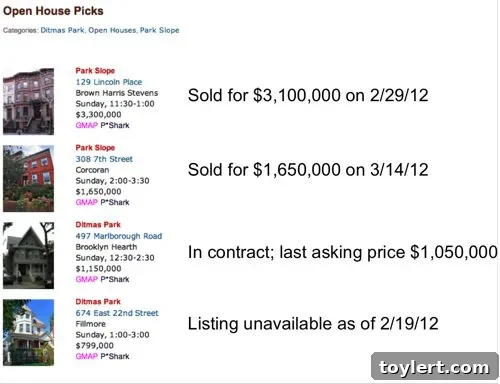
The intricate tapestry of Brooklyn’s real estate market offers endless fascinating insights, often revealing stark contrasts between seemingly similar neighborhoods. A snapshot from the past, specifically an observation from “Open House Picks” on November 11, 2011, by Brownstoner, highlighted a compelling dichotomy: “Strong in the Slope, weak in Ditmas.” This concise comment encapsulates a moment in time, providing a valuable lens through which to examine the enduring factors that shape property values and buyer perceptions across diverse Brooklyn locales. While the original observation dates back over a decade, the underlying principles of market strength, neighborhood character, and evolving desirability remain highly relevant for anyone looking to navigate the vibrant and complex world of Brooklyn real estate today.
Understanding what made Park Slope a robust market and Ditmas Park comparatively softer at that juncture requires a deep dive into the unique attributes and historical trajectories of each area. This article will explore these dynamics, offer modern-day perspectives on market analysis, and provide actionable advice for both prospective buyers and savvy sellers in Brooklyn’s diverse property landscape. By dissecting the elements that contribute to a neighborhood’s real estate vitality, we can uncover valuable lessons that transcend specific timeframes and continue to inform strategic decisions in the property market.
The Allure of Brooklyn: A Real Estate Hotbed Transcending Time
Brooklyn has long transcended its reputation as merely Manhattan’s neighbor, evolving into a cultural, culinary, and residential powerhouse in its own right. Its distinct neighborhoods, each with a unique personality, attract a wide array of residents, from young professionals and artists to families seeking tree-lined streets and excellent schools. This intense demand, coupled with its finite urban space, makes Brooklyn’s real estate market one of the most competitive and dynamic in the world. Investors, first-time homebuyers, and seasoned residents all vie for a piece of this iconic borough, driving continuous evolution in property values and neighborhood prestige. The borough’s rich history, diverse communities, and vibrant artistic scene contribute to its enduring appeal, making it a highly sought-after location for homeownership and investment.
The constant buzz around Brooklyn properties means that understanding specific neighborhood trends is paramount. General market indicators, while useful, often paint too broad a picture. Instead, granular analysis, like the “strong in the Slope, weak in Ditmas” observation, provides crucial localized intelligence. It reminds us that even within the same borough, micro-markets operate with distinct forces, influenced by everything from architectural heritage and community amenities to transportation links and future development prospects. A deep understanding of these localized factors is what truly differentiates a successful real estate strategy from a merely speculative one. This detailed perspective allows buyers to identify hidden gems and sellers to position their properties optimally, maximizing their market advantage.
Comment: Strong in the Slope, weak in Ditmas. (Original observation from November 11, 2011, reflecting specific market conditions)
Park Slope: A Resilient Icon of Brooklyn Charm and Sustained Value
Park Slope, often simply referred to as “The Slope,” has for decades been synonymous with quintessential Brooklyn living. Characterized by its stunning brownstones, majestic tree-lined avenues, and close proximity to Prospect Park, it exudes an undeniable charm and an established sense of community. The neighborhood’s appeal is multifaceted, securing its position as a consistently strong market:
- Architectural Grandeur and Historical Significance: Park Slope boasts some of the most beautifully preserved brownstones and limestones in New York City, dating back to the late 19th and early 20th centuries. These homes, with their intricate details, high ceilings, and historic appeal, command premium prices and attract discerning buyers who appreciate architectural authenticity and heritage. The preservation efforts within the historic district further protect these valuable assets, ensuring long-term appreciation.
- Unbeatable Location and Abundant Amenities: Its adjacency to the sprawling Prospect Park offers residents an urban oasis for recreation, exercise, and cultural events. Beyond the park, Fifth Avenue and Seventh Avenue provide a vibrant corridor of independent boutiques, acclaimed restaurants, artisanal cafes, and essential services. This density of high-quality amenities caters to a sophisticated urban lifestyle.
- Superb Transportation Connectivity: With multiple subway lines (B, Q, 2, 3, F, G, R) serving the area, Park Slope offers convenient commutes to Manhattan and other parts of Brooklyn, a crucial factor for many New Yorkers who rely on public transit. This accessibility greatly enhances its desirability and broadens its appeal to a wider range of buyers.
- Established Prestige and Educational Excellence: The neighborhood has a long-standing reputation for stability, safety, and desirability, making it a relatively safe and robust investment even during economic fluctuations. Furthermore, its excellent public and private schools significantly enhance its family-friendly reputation, drawing families seeking quality education for their children and contributing to a strong sense of community.
In 2011, as in many years prior and since, Park Slope’s market strength was deeply rooted in these fundamentals. High demand, limited inventory of these sought-after historic homes, and a strong sense of community combined to create a seller’s market where properties moved quickly and often above asking price. Its character as a fully developed, highly desirable neighborhood meant less speculative growth and more sustained value appreciation, making it a benchmark for Brooklyn real estate.
Ditmas Park: A Haven of Victorian Elegance and Realized Potential
In stark contrast to Park Slope’s brownstone elegance, Ditmas Park offers a wholly different, yet equally captivating, vision of Brooklyn. Situated in the Flatbush section, Ditmas Park is renowned for its remarkable collection of freestanding Victorian homes, many with expansive yards, intricate detailing, and wrap-around porches, evoking a distinct suburban feel within the urban sprawl. This unique architectural character, a delightful anomaly in New York City, is its primary draw and defines its distinct charm.
So, why was Ditmas Park perceived as “weak” compared to Park Slope in 2011? Several factors likely contributed to this relative market position, which in hindsight, also signaled significant untapped potential:
- Emerging Recognition and Market Maturity: While architectural enthusiasts have long admired Ditmas Park’s unique housing stock, its broader recognition as a prime residential destination was still developing a decade ago. It wasn’t as immediately “on the map” for a wider swathe of buyers compared to the established prestige and instant recognition of Park Slope. Its story was still unfolding for the mainstream market.
- Transportation and Commute Perceptions: While Ditmas Park is competently served by the B and Q subway lines, the commute to certain key employment hubs in Manhattan can be longer and feel less direct than from more centrally located neighborhoods like Park Slope. For many New Yorkers prioritizing lightning-fast commutes, this perceived distance could have been a decisive factor influencing buyer choices.
- Perceived Amenities Gap at the Time: In 2011, the commercial strips around Ditmas Park, while charming and offering local conveniences, may not have boasted the same density or variety of high-end boutiques, acclaimed fine dining restaurants, and bustling cultural institutions as Park Slope’s well-established avenues. This subtle difference in amenities, even if slight, could influence buyer preferences seeking a more ‘turn-key’ vibrant urban experience.
- Larger Inventory and Unique Home Characteristics: The nature of Ditmas Park’s freestanding Victorian homes often means larger properties, more substantial lot sizes, and potentially higher maintenance responsibilities compared to a brownstone unit. This attracts a specific type of buyer looking for space and a particular aesthetic, and perhaps in 2011, that buyer pool was not as intensely competitive or diverse as the one driving Park Slope’s market.
However, what was once perceived as “weakness” often represented significant untapped potential, a concept well understood by astute investors and patient homebuyers. The larger homes, distinct architectural character, and relative affordability compared to established, pricier neighborhoods made Ditmas Park an increasingly attractive option for those seeking more space, unique character, and future appreciation. The “weakness” was not a reflection of inherent flaws but rather a stage in its market evolution, indicating a ripe opportunity for growth and discovery.
Analyzing the “Strong vs. Weak” Dynamic: Key Market Indicators Explained
The historical contrast between Park Slope and Ditmas Park illuminates several critical factors that consistently influence real estate market strength and evolution. Understanding these indicators is vital for both evaluating past trends and predicting future shifts:
- Location, Location, Location: This age-old real estate mantra remains paramount. Proximity to major transportation hubs, strategic access to Manhattan and other key employment centers, and the presence of beloved green spaces (like the magnificent Prospect Park) consistently drive demand and property values. Ease of access fundamentally shapes daily life and desirability.
- Architectural Uniqueness and Preservation: While both neighborhoods boast unique architecture, Park Slope’s brownstones represent a more universally recognized, historically coveted, and finite style in the broader NYC market. Ditmas Park’s Victorians, while stunning and increasingly appreciated, appeal to a more niche, albeit growing, market. The degree of architectural preservation and the distinctiveness of the housing stock play a huge role in perceived value.
- Amenities and Infrastructure Development: The density, quality, and variety of local shops, restaurants, cafes, cultural institutions, and recreational facilities significantly impact a neighborhood’s desirability and perceived quality of life. Access to modern infrastructure, like reliable internet and robust public services, also contributes to market strength.
- Community Identity and Branding: A strong, well-defined community identity, often fostered over decades through local businesses, schools, and civic engagement, can create a powerful brand that attracts and retains residents. This intangible sense of belonging contributes significantly to long-term market stability.
- Buyer Demographics and Evolving Preferences: Different neighborhoods naturally appeal to different buyer profiles. Park Slope has long attracted affluent families and professionals seeking an established, upscale urban environment. Ditmas Park historically offered more value for those seeking space, unique aesthetics, and a slightly more suburban feel, perhaps with a greater tolerance for commute times. Shifts in buyer demographics and evolving lifestyle preferences can dramatically alter a neighborhood’s market trajectory.
It’s crucial to remember that the “strong vs. weak” dynamic is rarely static. Neighborhoods evolve, infrastructure improves, and buyer preferences shift. What might be considered “weak” or undervalued today could very well be tomorrow’s hot spot as people seek value, unique character, and new opportunities for community building. The past decade has certainly shown a significant surge in Ditmas Park’s desirability and property values, validating the long-term potential many saw and demonstrating the dynamic nature of urban real estate markets.
Navigating Today’s Brooklyn Real Estate Market: Timeless Open House Strategies
Regardless of whether a neighborhood is considered “strong” or “emerging,” open houses remain a pivotal part of the real estate journey. They offer both buyers and sellers a crucial opportunity to engage with the market directly. Both parties can optimize this experience with strategic planning and a clear understanding of their objectives.
For Buyers: Making the Most of Open Houses
- Do Your Homework Diligently: Before attending, research the neighborhood extensively, including recent comparable sales, property tax history, and the property’s listing history. This foundational knowledge empowers you to ask informed questions and quickly assess value.
- Go Beyond the Aesthetics: While curb appeal and staging matter, look critically at the property’s underlying condition. Examine structural integrity, the age and condition of major systems (plumbing, electrical, HVAC), and potential for future renovations. Don’t hesitate to open closets, inspect window frames, and check water pressure (politely, of course).
- Engage Thoughtfully with the Agent: Ask pointed questions about disclosures, the seller’s motivation, neighborhood dynamics (e.g., upcoming developments, local amenities not immediately visible), and any existing offers already on the table. A knowledgeable agent’s insights can be invaluable.
- Observe the Competition and Market Pulse: Pay close attention to how many people attend, their demographics, and their apparent level of interest. This informal survey gives you a pulse on the property’s immediate demand and helps gauge how competitive an offer might need to be.
- Take Detailed Notes and Photos (with permission): After seeing multiple properties, details can quickly blur. Document what you liked and disliked about each property, noting specific features, potential concerns, and your initial impressions. Visual aids are crucial for recall.
- Bring a Critical and Imaginative Eye: Imagine living in the space. Does it genuinely meet your lifestyle needs and long-term goals? Consider factors like natural light, noise levels, storage solutions, and how furniture might fit. Objectivity is key.
For Sellers: Maximizing Your Open House Impact
- First Impressions are Everything – Flawless Presentation: Ensure the property is meticulously clean, decluttered, and well-maintained. A fresh coat of neutral paint, professionally cleaned carpets, and strategic staging can dramatically enhance appeal and perceived value.
- Boost Curb Appeal Significantly: The exterior is the first thing buyers see. Landscaping, a clean entryway, polished fixtures, and inviting exterior lighting create a welcoming first look that draws people inside. First impressions can make or break a showing.
- Optimize Lighting for Brightness and Warmth: Open all blinds and curtains to maximize natural light. Turn on all lights, even during the day, to create a bright, airy, and inviting atmosphere throughout the home. Dim or dark rooms can feel smaller and less appealing.
- Address Small Repairs Proactively: Fix dripping faucets, loose doorknobs, cracked tiles, and other minor imperfections before the open house. Buyers notice these details and may interpret them as signs of deferred maintenance or larger underlying issues.
- Create an Inviting Ambiance: Engage the senses subtly. Soft, unobtrusive background music, pleasant scents (think fresh baked cookies or subtle diffusers, avoiding strong air fresheners), and comfortable room temperatures can make buyers feel more at home and linger longer.
- Be Absent (or Incredibly Discreet): While some sellers like to be present, it often makes buyers uncomfortable and inhibits their ability to openly discuss the property with their companions or agent. Let your agent handle the showing and answer questions; your presence can be a distraction.
- Provide Comprehensive Information: Have professional brochures with detailed property specifications, floor plans, recent upgrades, and compelling neighborhood information (e.g., local schools, parks, transport links) readily available for prospective buyers to take home.
The Enduring Lessons for Brooklyn’s Property Market and Beyond
The historical observation of “strong in the Slope, weak in Ditmas” serves as a powerful reminder of several enduring truths in real estate that transcend specific neighborhoods and time periods:
- Market Dynamics are Inherently Fluid: What is perceived as weak or undervalued today can, with shifts in demographics, infrastructure, or cultural recognition, become incredibly strong tomorrow. Vigilance, continuous market research, and a long-term investment perspective are crucial for discerning true value and potential.
- Neighborhood Identity is Paramount: Each Brooklyn neighborhood possesses a distinct identity, shaped by its unique history, architectural heritage, prevailing demographics, and the character of its amenities. Understanding these nuanced identities is key to successful buying, selling, and appreciating the diverse fabric of the city.
- Investment Potential Exists Beyond Obvious Choices: Sometimes the greatest opportunities for significant appreciation lie in areas that are slightly undervalued, misunderstood, or on the cusp of revitalization, offering substantial returns for those willing to look beyond immediate, well-established trends.
- Knowledgeable Professional Guidance is Invaluable: Navigating a complex market like Brooklyn’s is best done with expert assistance. Working with a real estate agent who has deep, localized expertise can provide invaluable insights, negotiation skills, and market intelligence that online research alone cannot match.
Brooklyn’s real estate journey continues to evolve, reflecting broader economic shifts, demographic changes, and the ongoing, magnetic appeal of vibrant city living. Whether you are drawn to the classic brownstones of Park Slope, the enchanting Victorians of Ditmas Park, or any of Brooklyn’s other dynamic neighborhoods, the principles of thorough research, strategic engagement, and an understanding of historical context remain your most powerful tools for success.
Embrace the exciting journey of discovering your perfect Brooklyn home, or successfully marketing your cherished property, with confidence and an informed perspective. The legacy of “Open House Picks: 11/11/2011” reminds us that every market observation, no matter how brief, holds profound lessons for understanding the past and shaping future real estate strategies.