Navigating the Market: Understanding Open House Picks and Why Some Linger
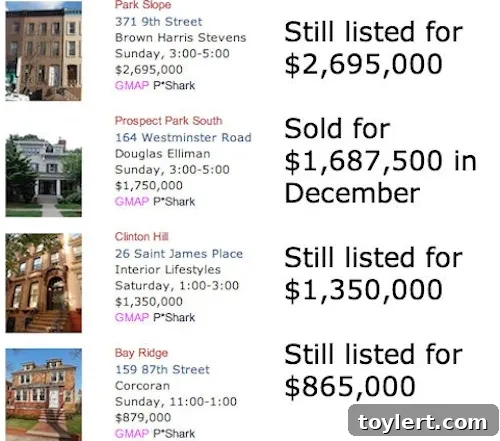
In the vibrant and often competitive world of real estate, “Open House Picks” serve as a beacon for potential buyers, highlighting properties that stand out, offer unique value, or represent interesting opportunities within a particular market. These curated selections, often compiled by local real estate blogs, news outlets, or expert realtors, aim to simplify the search process, guiding prospective homeowners to listings worthy of their attention. However, not every pick immediately finds its taker. A recent observation highlighted a common challenge: “Not many takers for these Open House Picks!” This comment, originating from insights related to an Open House Picks feature from August 3, 2012, by Brownstoner, opens up a broader discussion about market dynamics, property appeal, and the subtle art of real estate success.
Understanding why certain properties, despite being “picks,” might struggle to attract offers is crucial for both buyers looking for opportunities and sellers aiming for a swift and profitable sale. It delves into the interplay of pricing, presentation, market conditions, and the ever-present human element of desirability. This article will explore the concept of Open House Picks, the factors that contribute to a property’s market performance, and strategies for navigating the real estate landscape effectively, whether you’re buying your dream home or selling an investment.
What Exactly Are “Open House Picks”?
At its core, “Open House Picks” refers to a curated list of properties that are scheduled for public viewing (open houses) during a specific period, typically a weekend. These selections are not random; they are often handpicked by real estate journalists, seasoned agents, or local market experts who possess a keen understanding of what makes a property appealing in a given area. For instance, Brownstoner, a prominent voice in Brooklyn real estate, frequently publishes such lists, focusing on unique brownstones, lofts, and other distinctive homes that resonate with their readership.
The purpose of these curated lists is multifaceted:
- To Highlight Value: Showcasing properties that offer good value for money, unique architectural features, or desirable locations.
- To Inform Buyers: Providing a convenient guide for buyers to plan their weekend viewing schedule efficiently, ensuring they don’t miss out on promising opportunities.
- To Generate Buzz: Drawing more attention to specific listings, which can lead to increased foot traffic at open houses and potentially more offers for sellers.
- To Reflect Market Trends: Often, the “picks” can implicitly reveal current market preferences, popular neighborhoods, or emerging housing styles.
For a buyer, following these picks can save considerable time and effort, allowing them to focus on properties that have already passed an initial vetting process by an informed source. For sellers, being featured as an “Open House Pick” can be an invaluable marketing boost, placing their property in front of a highly engaged and motivated audience.
The Allure of Open Houses for Prospective Buyers
Open houses remain a cornerstone of the home-buying process for many valid reasons. They offer an unparalleled opportunity for buyers to:
- Experience the Property Firsthand: Photos and virtual tours are excellent, but nothing compares to walking through a home, feeling its ambiance, and assessing its layout and flow in person.
- Compare and Contrast: Buyers can visit multiple properties in a single day, often within the same neighborhood, making it easier to compare features, conditions, and pricing.
- Gauge Market Interest: Observing the number of attendees at an open house can provide an informal gauge of how hot the property or market currently is, which can inform their offering strategy.
- Ask Immediate Questions: Real estate agents are on-site to answer questions about the property, neighborhood, recent sales, and the offer process.
- Discover Neighborhood Vibe: An open house visit also allows buyers to experience the surrounding area, observe street activity, and assess local amenities directly.
To make the most of an open house, buyers should arrive prepared with a checklist of priorities, a camera (with permission), and a critical eye. It’s an opportunity not just to see a house, but to envision a future home.
Maximizing Open Houses for Astute Sellers
For sellers, the open house is more than just a public showing; it’s a carefully orchestrated marketing event designed to impress and convert. Its success hinges on several key factors:
- Impeccable Presentation and Staging: A decluttered, clean, and well-staged home can significantly impact a buyer’s perception. Staging helps buyers visualize themselves living in the space, creating an emotional connection.
- Strategic Pricing: The most crucial element. An overpriced home, regardless of its features, will deter potential buyers. Researching comparable sales and setting a competitive price is paramount.
- Curb Appeal: First impressions matter. A well-maintained exterior, manicured lawn, and inviting entrance signal a home that has been cared for.
- Effective Marketing: Beyond the open house itself, robust online listings with high-quality photos, virtual tours, and compelling descriptions are essential to drive attendance. Being featured in “Open House Picks” publications provides invaluable extra exposure.
- Agent Preparedness: A knowledgeable and engaging agent who can highlight the home’s best features, answer all questions, and follow up with interested parties is vital.
A well-executed open house can generate multiple offers, creating a bidding war that drives up the final sale price and shortens the time on the market. It’s an investment of time and effort that can yield significant returns.
Decoding “Not Many Takers”: Why Some Picks Linger
The comment “Not many takers for these Open House Picks!” is a poignant reminder that even carefully selected properties can face challenges in the market. Several factors can contribute to a property lingering despite its initial appeal:
1. Market Conditions and Economic Climate
- Buyer’s vs. Seller’s Market: In a buyer’s market, where supply exceeds demand, properties take longer to sell. High interest rates or economic uncertainty can also dampen buyer enthusiasm, making them more cautious.
- Seasonal Trends: Real estate often experiences seasonal fluctuations, with spring and fall typically being the busiest. Properties listed during slower periods (e.g., mid-winter or peak summer holidays) might see less traffic.
2. Pricing Strategy
- Overpricing: This is arguably the most common reason a property sits on the market. Even a slight overvaluation can deter serious buyers who are well-informed about comparable sales in the area. An overpriced home makes even the best features seem less attractive.
- Lack of Price Adjustments: If a property isn’t generating interest, the seller and agent must be willing to re-evaluate and adjust the price downwards to meet market expectations.
3. Property Condition and Presentation
- Poor Staging or Maintenance: A cluttered, dirty, or poorly maintained home, or one with significant deferred maintenance, will immediately turn off buyers, regardless of its potential.
- Outdated Features: While some buyers seek fixer-uppers, many prefer move-in ready homes. Outdated kitchens, bathrooms, or inefficient systems can be significant drawbacks.
- Lack of Curb Appeal: A neglected exterior sends a negative message before buyers even step inside.
4. Location-Specific Challenges
- Undesirable Location Aspects: Even within a good neighborhood, a specific address might have drawbacks such as proximity to a noisy street, commercial establishment, or lack of privacy.
- Limited Amenities: If the surrounding area lacks essential amenities like good schools, public transport, or local shops, it might limit the pool of interested buyers.
5. Ineffective Marketing and Exposure
- Poor Photography: Low-quality photos or a lack of appealing visuals can severely hamper online interest, preventing potential buyers from even attending an open house.
- Limited Reach: If the listing isn’t adequately promoted across various platforms (MLS, real estate portals, social media, agent networks), it won’t reach its full potential audience.
- Vague Descriptions: Listings that fail to highlight the property’s unique selling points or provide insufficient detail can leave buyers uninspired.
6. Unique Property Challenges
- Niche Market: Some properties are so unique (e.g., very specific architectural styles, unusual layouts, or extremely high-end luxury) that they appeal to a very narrow segment of buyers, naturally leading to a longer selling time.
- Difficult Access/Showings: If scheduling viewings is consistently difficult, it can frustrate potential buyers and agents.
The Crucial Role of Real Estate Publications Like Brownstoner
Publications such as Brownstoner play a vital role in shaping local real estate markets, particularly in niche areas like Brooklyn’s brownstone communities. They do more than just list properties; they provide context, commentary, and community insight. By curating “Open House Picks,” they offer a valuable service:
- Expert Curation: Their selections are often based on deep market knowledge, highlighting properties that genuinely stand out.
- Local Expertise: They understand the specific nuances and desirability factors within their target neighborhoods.
- Community Engagement: They foster a community of informed buyers and sellers, often sparking discussions and providing a platform for feedback.
- Trend Spotting: Their articles and picks can highlight emerging trends, popular architectural styles, or up-and-coming areas.
When a publication like Brownstoner notes that even their “picks” aren’t seeing much action, it often serves as a barometer for broader market conditions, prompting sellers to re-evaluate their strategies and buyers to perhaps look for negotiation opportunities.
Strategies for Buyers When Properties Linger
If you’re a buyer and notice that certain “Open House Picks” are still on the market after several weeks, it could present a unique opportunity:
- Negotiation Leverage: A property that has lingered typically gives buyers more room to negotiate on price and terms.
- Identify Hidden Value: Sometimes, properties linger not because they are inherently flawed, but due to correctable issues (e.g., poor staging, minor repairs, or simply being overlooked). A savvy buyer might see potential where others see problems.
- Dig Deeper: Use the extra time to conduct thorough due diligence, including home inspections, reviewing disclosure documents, and researching neighborhood specifics.
- Revisit Your Priorities: If a lingering property almost meets your criteria, consider if any compromises are worth the potential price advantage.
Strategies for Sellers When Properties Aren’t Moving
When a property, even a well-regarded “pick,” isn’t generating the desired interest, sellers need to be proactive:
- Re-evaluate Pricing: This is usually the first and most impactful step. A price reduction, even a small one, can re-energize interest.
- Enhance Presentation: Consider professional staging, addressing any glaring maintenance issues, or making minor cosmetic updates. Fresh paint, updated light fixtures, or professional cleaning can make a big difference.
- Boost Marketing Efforts: Refresh online listings with new photos or a virtual tour. Expand the marketing reach.
- Gather Feedback: Ask your agent for detailed feedback from open house attendees and private showings. Use this information to address perceived shortcomings.
- Consider the Market: Understand whether the lack of interest is property-specific or a reflection of broader market sentiment.
- Trust Your Agent: A good real estate agent will provide honest feedback and strategic advice to adjust to market realities.
Conclusion
The journey of an “Open House Pick” from a curated listing to a sold home is a microcosm of the entire real estate market. While these picks offer a fantastic starting point for buyers and valuable exposure for sellers, the ultimate success of any listing depends on a dynamic interplay of factors. Pricing, presentation, market conditions, and effective marketing are all critical components. The observation that “not many takers” emerged from a specific period (like the Brownstoner’s 2012 Open House Picks) serves as a timeless reminder that even in seemingly desirable markets, vigilance and adaptability are key. Whether you’re a buyer searching for your perfect home or a seller aiming for an optimal return, understanding these dynamics will empower you to make informed decisions and achieve your real estate goals.