Navigating the Bustling Brooklyn Real Estate Market: A Look Back at Open House Picks from April 2013
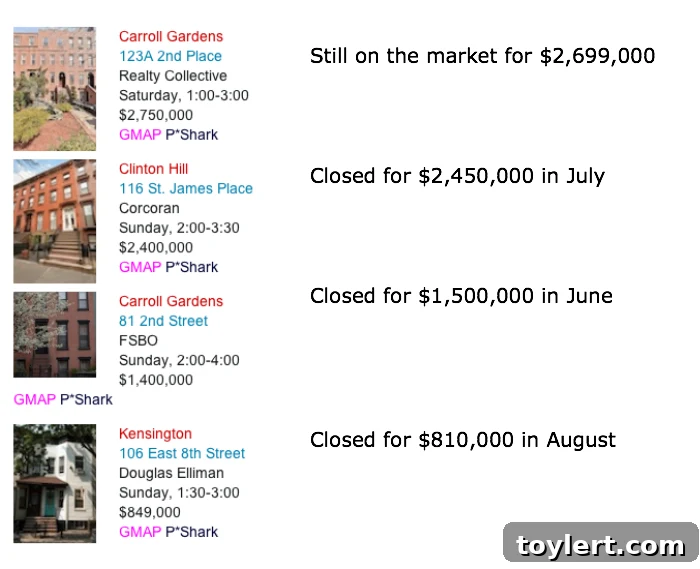
The allure of Brooklyn real estate has captivated prospective homeowners and investors for decades, transforming once quiet neighborhoods into vibrant, sought-after urban sanctuaries. Delving into the archives of past market activity often reveals fascinating insights into trends, buyer behavior, and the enduring charm of properties that stand the test of time. A prime example of such a snapshot comes from April 19, 2013, as highlighted by Brownstoner’s “Open House Picks.” This particular feature not only showcased exceptional properties but also underscored the dynamic nature of the Brooklyn housing market at that specific juncture, evidenced by the telling comment: “Three out of four gone.”
This simple observation speaks volumes about the fierce competition and rapid pace characterizing the sale of desirable homes in Brooklyn. It tells a story of demand outstripping supply, of carefully selected properties quickly finding new owners, and of a market that rewarded swift decision-making from astute buyers. For anyone interested in the pulse of Brooklyn’s real estate, understanding what drove this rapid turnover in 2013 offers valuable context, even a decade later.
The Brooklyn Real Estate Landscape in 2013: A Market in Ascendance
To fully appreciate the significance of “three out of four gone,” it’s crucial to understand the economic and social backdrop of Brooklyn in 2013. Following the tremors of the 2008 financial crisis and the ensuing recession, the U.S. housing market, including New York City, was in a period of gradual but steady recovery. By 2013, Brooklyn, in particular, was experiencing a significant resurgence. Low interest rates were making mortgages more affordable, the job market was stabilizing, and confidence in real estate as a sound investment was returning.
This period saw a notable increase in the desirability of Brooklyn neighborhoods. Areas like Park Slope, Fort Greene, Carroll Gardens, Cobble Hill, and even the then-emerging Williamsburg and Bushwick, were transitioning from relatively affordable alternatives to Manhattan into destinations in their own right. People were drawn to Brooklyn’s unique blend of historic architecture, tight-knit communities, burgeoning culinary scenes, diverse cultural offerings, and convenient access to Manhattan. Brownstones, classic row houses, and pre-war co-ops were especially coveted, representing a quintessential Brooklyn lifestyle that was increasingly attractive to young professionals, families, and creatives.
The “Open House Picks” series by Brownstoner served as an invaluable guide for prospective buyers, curating a selection of properties that stood out for their architectural merit, location, price point, or renovation potential. These features were more than just listings; they were market indicators, reflecting the trends and opportunities available to those actively participating in the hunt for their dream home.
The Phenomenon of “Three Out of Four Gone”: What it Means for Buyers and Sellers
The concise remark, “Three out of four gone,” is a powerful testament to the intensity of the Brooklyn real estate market in April 2013. It highlights several key characteristics:
- Strong Demand: The rapid sale of three out of four featured properties indicates robust buyer interest, likely fueled by a growing population and limited inventory of quality homes. When supply is tight and demand is high, properties tend to sell quickly.
- Desirable Properties: The properties chosen as “Open House Picks” were evidently well-curated, appealing to a broad segment of buyers. These were not just any listings; they were likely homes that offered a compelling combination of features, location, and value, making them irresistible.
- Effective Pricing Strategies: Successful sales often hinge on accurate pricing. It’s probable that these homes were priced competitively, striking a balance that attracted multiple offers and facilitated quick transactions without leaving money on the table for sellers.
- Market Momentum: The quick turnaround suggests a market with significant momentum. In such an environment, buyers feel pressure to act decisively, knowing that desirable homes won’t stay on the market for long. This sense of urgency can often lead to bidding wars and sales above asking price.
- Seller’s Market Conditions: While not overtly stated, the high success rate points towards a seller’s market. In such conditions, sellers have more leverage, properties spend less time on the market, and there’s less room for negotiation on the buyer’s side.
For buyers in 2013, this situation meant they had to be well-prepared, pre-approved for financing, and ready to make quick decisions. Attending open houses was not merely a casual Sunday activity but a serious opportunity to assess potential homes and make a strong impression. For sellers, it was an opportune time to list, with high chances of a quick sale at a favorable price, provided their property was well-presented and strategically marketed.
Key Factors Making Properties “Picks” in a Competitive Market
What distinguished an “Open House Pick” in a market where properties were flying off the shelves? Several factors contributed to a home’s appeal:
- Location, Location, Location: Proximity to parks, good schools, public transportation (especially subway lines connecting to Manhattan), and vibrant commercial strips with shops and restaurants was always paramount.
- Architectural Integrity and Charm: Brooklyn’s brownstones and pre-war buildings possess an inherent charm and historical character that remains highly desirable. Properties that maintained original details or were sensitively renovated to blend modern amenities with classic aesthetics stood out.
- Condition and Renovation Potential: Homes that were move-in ready were always popular, but properties offering significant renovation potential at an attractive price also garnered considerable interest from buyers looking to customize their space.
- Outdoor Space: In an urban environment, private outdoor spaces like gardens, patios, or even sizable roof decks added immense value and appeal.
- Unique Features: Any unique features, whether it was an original fireplace, high ceilings, large windows, or an unusual layout, could make a property particularly memorable and desirable.
The image provided, likely depicting a classic Brooklyn brownstone, perfectly encapsulates the type of property that would have been a prized “pick.” Its stately facade, characteristic of many Brooklyn neighborhoods, represents the timeless appeal that continues to attract buyers to this day.
The Enduring Value of Real Estate Insights from Brownstoner
Brownstoner has long been a trusted resource for anyone interested in Brooklyn real estate, architecture, and neighborhood life. Their “Open House Picks” series, active for many years, provided more than just listings; it offered a curated perspective on the market, helping to educate and guide both novice and experienced buyers. Even an article from 2013, with its clear indication of a fast-moving market, serves as a valuable historical document, allowing us to trace the evolution of Brooklyn’s housing landscape.
Reviewing such historical data helps us understand the cyclical nature of real estate, the impact of broader economic factors, and the consistent desirability of certain types of properties and neighborhoods. It reinforces the idea that while market conditions fluctuate, the core appeal of well-located, well-maintained, and architecturally significant homes in Brooklyn remains strong.
Conclusion: A Glimpse into Brooklyn’s Enduring Appeal
The “Open House Picks” from April 19, 2013, and the concise, impactful comment “Three out of four gone,” offer a compelling snapshot of a robust and competitive Brooklyn real estate market. It’s a reminder of a time when demand for quality homes in desirable neighborhoods was exceptionally high, leading to rapid sales and a dynamic environment for both buyers and sellers. This period laid much of the groundwork for Brooklyn’s continued growth and popularity in the years that followed.
For those currently navigating the real estate market, historical insights like these provide valuable lessons: the importance of readiness, the need for informed decision-making, and the understanding that truly exceptional properties rarely stay on the market for long. The enduring appeal of Brooklyn, epitomized by its historic brownstones and vibrant communities, continues to make it one of the most exciting and sought-after real estate destinations, where opportunities, when they arise, often disappear as quickly as they appear.