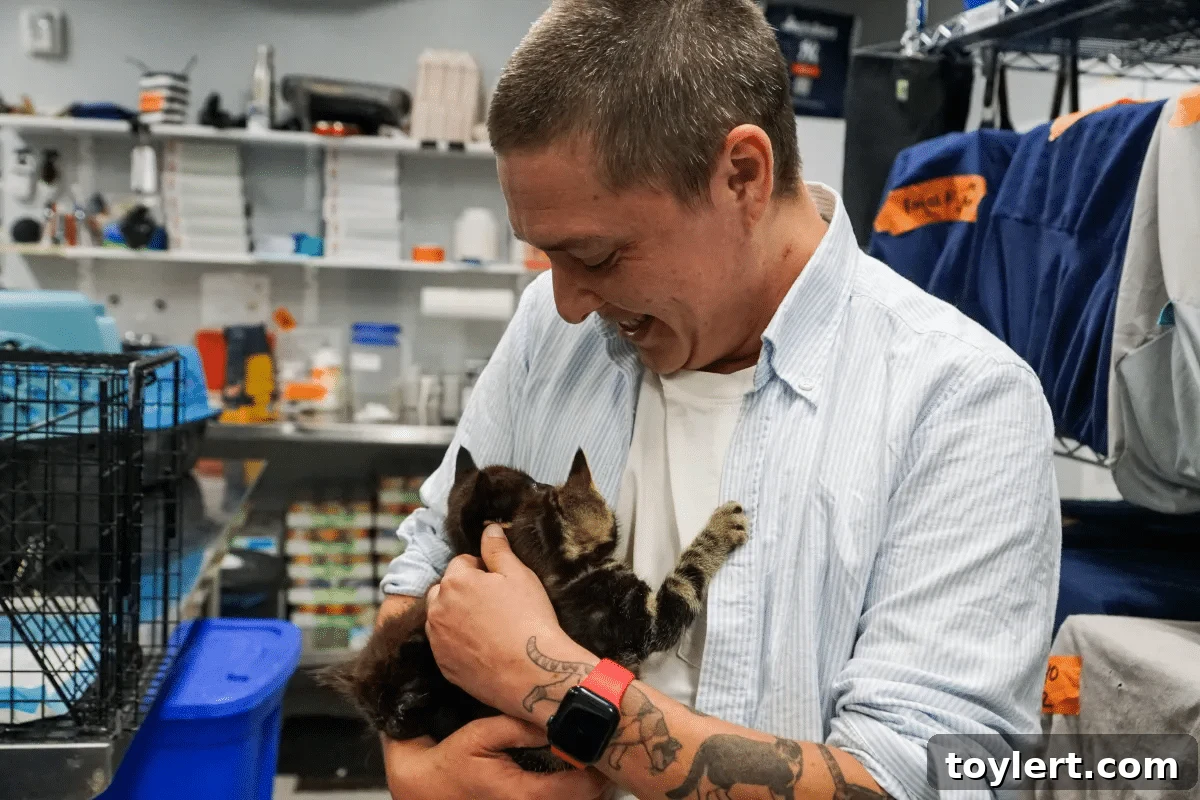
Brooklyn’s Pet Crisis: Overcrowding, High Vet Costs, and the Urgent Need for Community Action
By Kirstyn Brendlen, Brooklyn Paper
Brooklyn, a borough renowned for its vibrant communities and passionate residents, is currently grappling with a severe and escalating animal welfare crisis. Across its dedicated animal shelters and rescue organizations, a distressing reality unfolds: an overwhelming number of animals in desperate need of loving homes, far surpassing the available adopters. This imbalance has led to unprecedented levels of overcrowding, pushing the tireless staff and volunteers of these institutions to their absolute limits. The situation is critical, with no immediate relief in sight, signaling a systemic issue that demands more than just individual adoptions.
Local animal welfare experts are unequivocal in their assessment: we cannot simply adopt our way out of this deepening crisis. While every adoption brings immense joy to an animal and relief to a shelter, the sheer scale of the problem necessitates a broader, more fundamental shift in how we approach animal care and community responsibility. A significant factor repeatedly highlighted by these experts is the prohibitive and continuously rising cost of veterinary care, a burden that frequently forces loving pet owners into the heartbreaking decision to surrender their companions, further exacerbating the strain on already stretched shelters.
The Alarming Reality: Brooklyn’s Overwhelmed Animal Shelters
Walk into almost any animal shelter in Brooklyn today, and you’ll encounter the stark visual evidence of this crisis. Every kennel is occupied, often beyond comfortable capacity, with animals waiting patiently for a chance at a new life. From playful puppies and energetic kittens to loyal adult dogs and serene senior cats, the sheer volume of animals is staggering. This overcrowding isn’t just an inconvenience; it’s a grave concern that profoundly impacts the well-being of the animals and the morale of the dedicated people caring for them.
Overcrowding leads to increased stress levels among animals, making them more susceptible to illness and behavioral issues. A once-friendly dog might become withdrawn, or a shy cat might become overwhelmed in a noisy, cramped environment. The stress isn’t limited to the animals; shelter staff and volunteers work tirelessly, often beyond their capacity, to provide basic care, comfort, and attention. This constant uphill battle leads to burnout and emotional fatigue, yet their commitment remains unwavering.
Understanding the Root Causes of Brooklyn’s Pet Crisis
While the visible signs of the crisis are overflowing shelters, the underlying causes are multifaceted and deeply interconnected. Addressing the problem effectively requires a comprehensive understanding of these contributing factors.
The Escalating Cost of Veterinary Care: A Major Barrier
One of the most frequently cited reasons for pet relinquishment and a primary driver of the shelter crisis is the spiraling cost of veterinary care. Routine check-ups, vaccinations, emergency treatments, and specialized procedures can quickly accumulate into expenses that are simply out of reach for many Brooklyn families, especially in an era of rising living costs.
- Economic Strain: For many, an unexpected vet bill for an illness or injury can be financially devastating. Faced with choosing between their pet’s health and essential family needs, some owners feel they have no option but to surrender their beloved animals, hoping the shelter can provide the necessary medical attention.
- Preventive Care Gap: High costs also deter owners from seeking routine preventive care, such as regular check-ups, vaccinations, and parasite control. This can lead to more severe, and consequently more expensive, health problems down the line, increasing the likelihood of surrender.
- Spay/Neuter Access: The cost of spaying or neutering, while often subsidized by rescue groups, can still be a barrier. Without these essential procedures, unplanned litters contribute directly to pet overpopulation, further burdening shelters.
Beyond Vet Bills: Other Contributing Factors
While vet costs are significant, several other factors contribute to the influx of animals into Brooklyn’s shelters:
- Lack of Pet-Friendly Housing: Finding affordable rental housing that allows pets, especially larger breeds or multiple animals, is a persistent challenge in New York City. Many owners are forced to surrender their pets when they cannot find suitable housing.
- Economic Hardship: Broader economic challenges, such as job loss, eviction, or unexpected life changes, can make it impossible for families to continue caring for their pets, leading to heartbreaking surrenders.
- Uncontrolled Breeding: Despite widespread advocacy, irresponsible breeding practices and the failure to spay/neuter pets continue to contribute to the birth of unwanted animals, many of which eventually find their way to shelters.
- Behavioral Issues: Sometimes, owners surrender pets due to unaddressed behavioral issues that they lack the resources or knowledge to manage. Proper training and early intervention can often prevent these situations.
- Lack of Awareness: A general lack of public awareness regarding responsible pet ownership, the importance of microchipping, and the resources available to struggling pet owners also plays a role.
The Ripple Effect: Impact on Animals and Rescuers
The crisis extends far beyond just full kennels. It has profound implications for every animal and human involved.
- Animal Welfare Deterioration: Prolonged stays in crowded shelter environments can lead to heightened stress, anxiety, and depression in animals. This can manifest as health problems, behavioral regression, and a decreased likelihood of adoption, creating a vicious cycle.
- Increased Euthanasia Risk: While many Brooklyn shelters are committed to no-kill policies, extreme overcrowding can strain resources to the point where difficult decisions become unavoidable, especially for animals with severe medical or behavioral issues that cannot be adequately addressed.
- Staff and Volunteer Burnout: The emotional toll on shelter workers and volunteers is immense. They witness suffering daily, work tirelessly with limited resources, and constantly face the challenge of finding homes for countless animals. This dedicated workforce needs sustainable support.
Seeking Sustainable Solutions: A Multi-faceted Approach
Resolving Brooklyn’s animal shelter crisis requires a concerted, multi-faceted approach involving pet owners, rescue organizations, veterinary professionals, community leaders, and local government. No single solution will suffice; rather, a combination of strategies focusing on prevention, support, and education is essential.
Addressing the Veterinary Care Dilemma
Making veterinary care more accessible and affordable is paramount:
- Subsidized Clinics and Programs: Expanding the availability of low-cost veterinary clinics and offering financial assistance programs for essential treatments can prevent surrenders.
- Preventive Care Incentives: Initiatives that promote and subsidize vaccinations, deworming, and routine check-ups can prevent costly illnesses and improve overall pet health.
- Pet Insurance Education: Raising awareness about the benefits of pet insurance can help owners prepare for unexpected veterinary expenses, making long-term pet ownership more financially feasible.
- Community Fundraising: Shelters and rescue groups can organize fundraising campaigns specifically for veterinary funds to cover the costs of treatment for animals in their care, reducing the financial burden on adopters.
Promoting Spay/Neuter Programs
Controlling pet overpopulation at its source is crucial. Accessible and affordable spay/neuter services for all pet owners are fundamental to reducing the number of unwanted litters entering the shelter system.
Strengthening Foster Networks
Foster homes are lifelines for overcrowded shelters. They provide animals with a temporary, loving environment, reducing stress, preventing illness, and allowing them to decompress and showcase their true personalities. Expanding and supporting foster networks is a direct way to alleviate overcrowding without additional physical infrastructure.
Community Engagement and Education
Educating the public about responsible pet ownership is a long-term solution:
- Responsible Pet Ownership: Campaigns promoting microchipping, proper identification, training, and the long-term commitment involved in pet ownership.
- Volunteerism and Donations: Encouraging community members to volunteer their time or donate resources directly to local shelters and rescue organizations.
- Adoption Events: Regularly organized adoption events can help connect potential adopters with animals in need, reducing shelter populations.
Advocating for Policy Changes
Local government and policymakers have a role to play:
- Support for Shelters: Increased funding and resources for animal shelters and rescue organizations.
- Pet-Friendly Housing Initiatives: Incentivizing landlords to offer pet-friendly housing options and exploring policies that reduce pet restrictions.
- Legislation: Enforcing stricter regulations against irresponsible breeding and animal neglect.
How You Can Help Brooklyn’s Animals
Every individual in Brooklyn has the power to make a difference in this crisis. Your actions, no matter how small, contribute to a larger solution.
- Adopt, Don’t Shop: If you’re considering adding a pet to your family, please visit your local Brooklyn shelter or rescue. You’ll not only save a life but also free up space for another animal in need.
- Foster a Pet: Opening your home temporarily to an animal in need is one of the most impactful ways to help. Fostering provides a safe, comfortable environment and prepares pets for their forever homes.
- Volunteer Your Time: Shelters always need help with walking dogs, socializing cats, cleaning, administrative tasks, and outreach. Your time is invaluable.
- Donate: Financial contributions, even small ones, directly support medical care, food, and supplies for shelter animals. Many shelters also welcome donations of blankets, towels, toys, and food.
- Advocate: Spread awareness about the crisis on social media, talk to your friends and family, and encourage responsible pet ownership.
- Support Affordable Vet Care Initiatives: Seek out and support organizations working to provide low-cost veterinary services in the community.
- Spay/Neuter Your Pets: Ensure your own pets are spayed or neutered to prevent accidental litters.
A Call to Collective Action for a Brighter Future
The animal shelter crisis in Brooklyn is a complex challenge that reflects broader societal issues, particularly economic disparities and the rising cost of essential services. It’s a crisis that cannot be solved by a single entity or through fragmented efforts. It demands a unified front from the entire community – individuals, local businesses, government bodies, and dedicated animal welfare organizations – working together towards a common goal.
By collectively addressing the root causes, supporting existing services, and fostering a culture of responsible pet ownership, Brooklyn can move beyond merely managing a crisis to building a sustainable and compassionate future for all its animal residents. The time for large-scale change is now, and it begins with understanding, empathy, and decisive action from every Brooklynite.