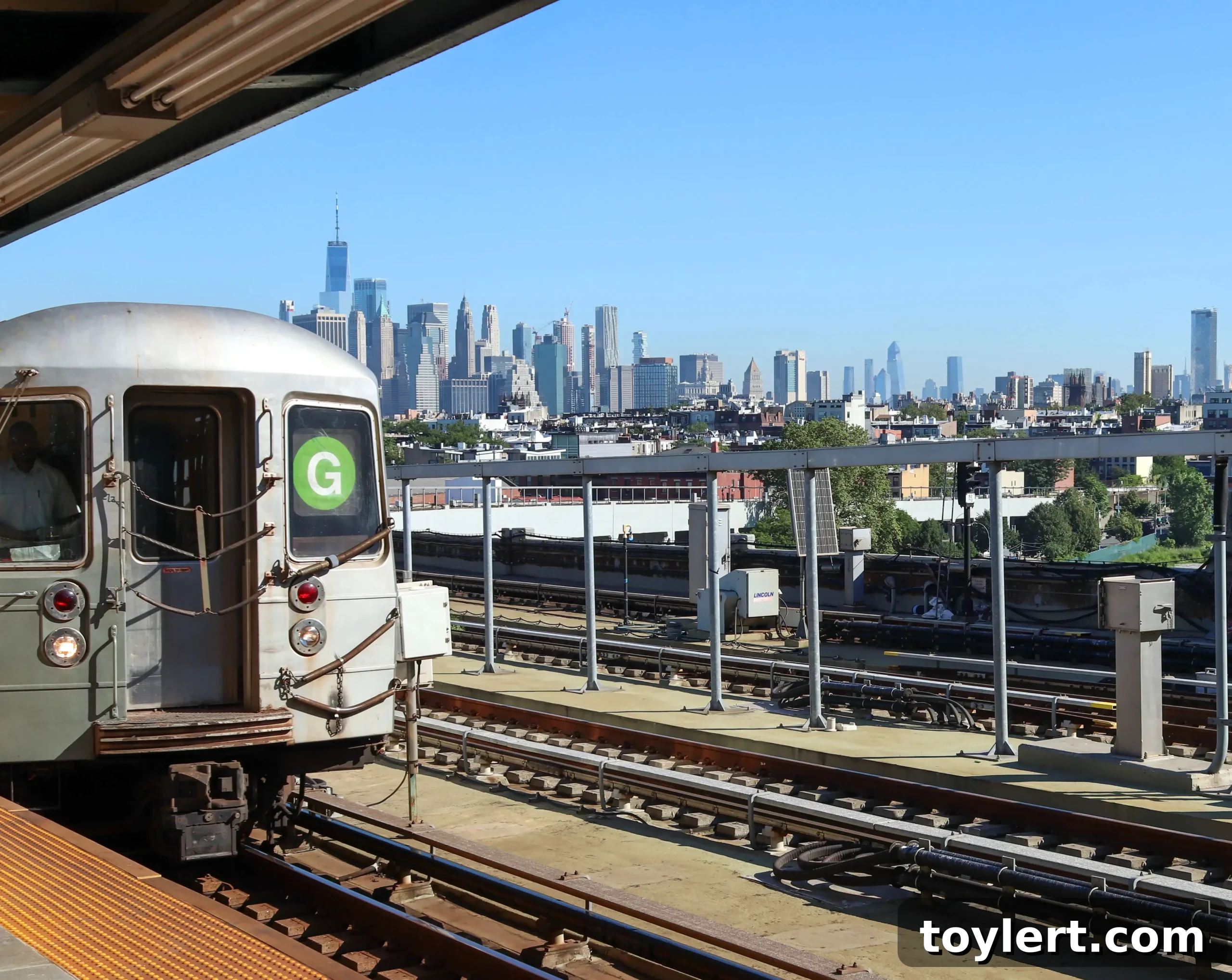
Brooklyn’s Evolving Landscape: A Deep Dive into Recent Headlines
Brooklyn, New York’s most populous borough, is a vibrant tapestry of cultures, communities, and constant change. From its bustling streets to its tranquil parks, Brooklyn offers a microcosm of urban life, reflecting both the triumphs and challenges inherent in a dynamic metropolis. Staying abreast of local developments is crucial for residents, businesses, and anyone with an interest in the borough’s trajectory. This comprehensive overview delves into recent headlines that paint a vivid picture of Brooklyn’s multifaceted evolution, touching upon its cultural shifts, urban development challenges, environmental concerns, and the daily lives of its diverse population. We’ll explore stories ranging from the flourishing arts scene to critical infrastructure issues, providing a deeper context to the news shaping Brooklyn’s future.
The narratives emerging from various Brooklyn neighborhoods highlight ongoing transformations. The borough continues to be a magnet for creativity, innovation, and diverse culinary experiences, while simultaneously grappling with the complexities of rapid development, housing affordability, and critical public health and safety concerns. Understanding these stories offers invaluable insights into the borough’s current state and its potential paths forward. Each news item, while seemingly distinct, contributes to a larger mosaic illustrating the energetic yet challenging urban environment that defines Brooklyn and its unique identity.
Culture and Community: Shaping Brooklyn’s Identity and Vibrancy
Brooklyn’s cultural scene is an ever-evolving entity, continually redefining itself through the contributions of its diverse residents. Recent news illuminates how various communities are making their mark, influencing everything from nightlife to the culinary landscape, reinforcing Brooklyn’s status as a global cultural capital.
The Rhythmic Pulse: Women D.J.s Transforming Brooklyn’s Music Scene
The electronic music and nightlife scene in Brooklyn has long been a powerful force, attracting talent and audiences from around the globe. A significant shift highlighted recently is the growing prominence of women D.J.s who are not only participating but actively reshaping the borough’s soundscape. This movement signifies more than just a change in demographics; it represents a broader trend of empowerment, diversity, and innovation within a historically male-dominated industry. These artists are bringing fresh perspectives, unique sonic palettes, and fostering more inclusive spaces across venues in neighborhoods like Bushwick, Williamsburg, and beyond. Their influence extends beyond the turntables, creating a ripple effect that encourages greater representation and creative freedom for women in the arts and entertainment sectors.
- These Women Are Changing Brooklyn’s D.J. Game [NYT]
The rise of these trailblazing D.J.s underscores Brooklyn’s reputation as a hub for cutting-edge culture. Their work contributes significantly to the borough’s vibrant nightlife, drawing attention to its dynamic communities and offering new platforms for artistic expression. This cultural phenomenon is a testament to Brooklyn’s ability to foster creativity and embrace progressive change, solidifying its status as a global cultural capital where innovation thrives.
A Taste of Home: Nigerian Street Food Finds Its Place in Crown Heights
Brooklyn’s culinary scene is as diverse as its population, a melting pot of global flavors and traditions. The arrival of authentic Nigerian street food, specifically Suya, in Crown Heights is a testament to this rich tapestry. Suya, a spicy skewered meat dish, offers residents and visitors an immersive taste of West African cuisine, further enriching Brooklyn’s reputation as a foodie destination. This development is particularly significant in neighborhoods like Crown Heights, which boasts a vibrant West Indian and African diaspora. Such establishments not only serve delicious food but also act as cultural anchors, preserving traditions and offering a sense of home for immigrant communities while introducing new and exciting culinary experiences to a broader, adventurous audience.
- Nigerian Street Food at Suya in Crown Heights [NYT]
The celebration of diverse food traditions reflects Brooklyn’s inclusive spirit and its appetite for authentic global cuisine. These culinary ventures are more than just restaurants; they are cultural touchstones that foster community connection and celebrate the borough’s multicultural heritage. The success of authentic ethnic eateries like Suya highlights the borough’s open embrace of global influences and its commitment to offering a rich array of dining options for every palate and preference, truly reflecting its diverse population.
Urban Development and Infrastructure: Navigating Growth and Challenges
Brooklyn’s rapid urbanization brings with it both opportunities and complexities. The continuous influx of residents and businesses puts pressure on existing infrastructure and demands careful planning to balance growth with community needs. Recent headlines highlight some of these critical issues, showcasing the ongoing dialogue around urban planning and development in the borough.
The Parking Predicament: Clinton Hill Residents Outraged Over Loss of Daytime Parking
As Brooklyn neighborhoods continue to densify, urban planning decisions often spark significant debate, particularly when they directly impact the daily lives of residents. The controversy surrounding the loss of daytime parking in Clinton Hill is a prime example of the challenges faced by long-standing communities amidst rapid development and changing urban policies. Parking, often viewed as a minor amenity, becomes a critical quality-of-life issue for many, affecting commuters, local businesses, and families who rely on convenient access. This incident reflects broader tensions between the city’s need to optimize traffic flow, accommodate new developments, and preserve the convenience and accessibility for existing residents. Such changes can lead to frustration and a sense of disenfranchisement among community members who feel their voices are not adequately heard in the planning process or that their needs are overlooked.
- Clinton Hill Residents Outraged Over Loss of Daytime Parking [NYDN]
The struggle over parking in Clinton Hill underscores the delicate balance urban planners must strike between progress and preserving the fabric of established neighborhoods. It’s a common theme across New York City, where infrastructure struggles to keep pace with population growth, leading to ongoing dialogues about sustainable urban living, equitable resource distribution, and the importance of robust community engagement in decision-making processes.
The Race Against Time: Affordable Housing at Pacific Park
The promise and delivery of affordable housing remain a critical concern across New York City, particularly in rapidly developing areas like Pacific Park (formerly Atlantic Yards) in Brooklyn. The “game clock ticking” metaphor used in the news highlights the urgency and the perceived slow pace of delivering on commitments made to provide accessible housing options. Large-scale development projects like Pacific Park often come with pledges of community benefits, including affordable housing units, which are vital for maintaining socio-economic diversity in a borough increasingly challenged by rising living costs. Delays or insufficient delivery of these units raise serious questions about accountability, equity, and the true impact of massive urban renewal initiatives on existing communities and the city’s housing crisis.
- Game Clock Ticking on Affordable Housing at Pacific Park [The City]
The ongoing situation at Pacific Park serves as a powerful reminder of the complex interplay between developers, city planners, and community advocates in addressing New York’s affordable housing crisis. It underscores the importance of transparency, consistent oversight, and public pressure to ensure that development projects genuinely serve the public interest and contribute positively to the borough’s future, rather than exacerbating existing inequalities.
Williamsburg’s Commercial Evolution: Cartier’s Parent Company Moves to a Timber Office Building
Williamsburg, once a hub for artists and industrial spaces, has undergone a dramatic transformation into a sought-after commercial and residential district. The relocation of Cartier’s parent company, Richemont, to a modern timber office building further solidifies Williamsburg’s status as a burgeoning commercial center. This move signals a significant shift in the borough’s economic landscape, attracting high-profile luxury brands and corporations that were once exclusively found in Manhattan. The choice of a timber building also reflects a growing trend towards sustainable and innovative architectural practices in urban development, showcasing a commitment to environmentally conscious design. This influx of corporate entities brings new jobs and economic activity but also raises questions about the changing character of the neighborhood and its long-term impact on local businesses and existing communities.
- Cartier’s Parent Company Heads to Timber Building in Williamsburg [CO]
Williamsburg’s commercial ascendancy highlights Brooklyn’s broader economic diversification and its increasing capacity to attract major global players. This kind of development brings both prestige and new challenges, requiring careful management to ensure that economic growth benefits all segments of the community and preserves the unique charm and artistic spirit that originally attracted so many to the area.
Environmental and Public Safety Concerns: Protecting Brooklyn’s Future
Beyond the vibrancy of culture and the bustle of development, Brooklyn also faces critical environmental and public safety challenges that require vigilant attention and proactive solutions. These issues directly impact the health and well-being of residents and the long-term sustainability of the borough.
Hidden Dangers: FDNY Records High Carbon Monoxide Levels in East ‘Burg Building
Public safety is a paramount concern in any densely populated urban environment. The discovery of high carbon monoxide levels in an East Williamsburg building serves as a stark reminder of the hidden dangers that can lurk within residential and commercial structures. Carbon monoxide, an odorless and colorless gas, poses a serious and often fatal threat, making its detection crucial. This incident underscores the importance of regular building inspections, strict adherence to safety codes, and the widespread, mandatory use of carbon monoxide detectors in all living spaces. Such events highlight the critical role of emergency services like the FDNY and the need for prompt action to protect residents from preventable tragedies. It also brings attention to older buildings and the necessity of upgrading their safety infrastructure to meet modern standards.
- FDNY Records High Carbon Monoxide Levels in East ‘Burg Building [BP]
Ensuring public safety against insidious hazards like carbon monoxide poisoning requires continuous vigilance from property owners, tenants, and city agencies. Education and awareness campaigns are crucial to inform residents about potential risks, the signs of exposure, and the simple steps they can take to safeguard their homes and families, including proper ventilation and detector maintenance.
Awaiting Remediation: The Quietest Superfund Site on the Bushwick Border
The legacy of industrialization often leaves behind environmental scars, and for some parts of Brooklyn, this means dealing with Superfund sites. The presence of a Superfund site on the Bushwick border with Ridgewood, quietly awaiting a makeover, raises significant environmental justice concerns. These sites, designated by the EPA for containing hazardous waste, pose long-term risks to soil, water, and air quality, directly affecting the health of nearby communities. The slow pace of remediation can be frustrating for residents who live with the environmental burden and the uncertainty of when their neighborhoods will be fully restored. This story highlights the ongoing struggle to address historical industrial pollution and the importance of governmental and community efforts to ensure environmental clean-up is expedited and thorough, protecting vulnerable populations.
- On Bushwick border in Ridgewood, Superfund Site Awaits Makeover [City Limits]
The existence of such sites serves as a powerful reminder that urban revitalization must encompass comprehensive environmental responsibility. Addressing these legacy issues is crucial not only for public health and ecological restoration but also for equitable development, ensuring that all Brooklyn communities can thrive without the shadow of past industrial neglect or ongoing environmental hazards.
Protecting Our Children: Deteriorating Lead-Based Paint in Brooklyn Schools
The safety and well-being of children in their learning environments are paramount. News that several Brooklyn schools are dealing with deteriorating lead-based paint is a grave concern for parents, educators, and public health officials alike. Lead exposure, particularly in children, can lead to serious developmental, neurological, and behavioral health issues, making its presence in schools unacceptable. The presence of flaking or chipping lead paint in schools highlights systemic challenges in maintaining older public infrastructure and ensuring safe conditions for students and staff. It underscores the urgent need for comprehensive inspection, abatement, and remediation programs across the entire school system to protect vulnerable populations. This issue is not unique to Brooklyn but resonates deeply within a borough with many historic school buildings, requiring dedicated attention.
- These Brooklyn Schools Have Deteriorating Lead-Based Paint [Patch]
Addressing lead hazards in schools is a fundamental responsibility of city authorities and educational departments. Proactive measures, transparent reporting, and dedicated funding are essential to ensure that every child in Brooklyn can learn and grow in a safe, healthy environment, free from the dangers of environmental toxins. Continuous monitoring and swift action are key to safeguarding the health of future generations.
Conclusion: Brooklyn’s Continuous Narrative of Change
The recent headlines from Brooklyn collectively paint a vivid picture of a borough in perpetual motion—a place where cultural vibrancy meets the complex realities of urban growth, infrastructure strain, and environmental stewardship. From the dynamic shifts in its arts and culinary scenes to the pressing challenges of housing affordability, traffic management, and public safety, Brooklyn consistently demonstrates its resilience, adaptability, and its capacity for reinvention. These stories, reported by various reputable news outlets, serve as vital indicators of the borough’s health, its ongoing struggles, and its promising direction.
As Brooklyn continues its journey of transformation, the importance of informed civic engagement, proactive governance, and community collaboration becomes ever more apparent. The issues highlighted—whether celebrating new cultural contributions or addressing long-standing environmental concerns—are integral to the ongoing narrative of this iconic New York City borough. Understanding these developments is key to appreciating Brooklyn’s unique character and contributing constructively to its vibrant future, ensuring that its evolution benefits all who call it home and preserving its diverse spirit for generations to come.